







Introduction:Colombia’s coffee industry is gradually recovering from climate adversity. Thanks to large-scale replanting of disease-resistant coffee seedlings and rainfall during the wet season, production for the 2024/25 crop year is estimated to reach up to 12.9 million bags. This article delves into the variety renewal program driven by Starbucks in collaboration with local organizations, explores the current state of coffee-growing regions after drought, and examines how global market supply and demand shifts may influence future coffee price trends.
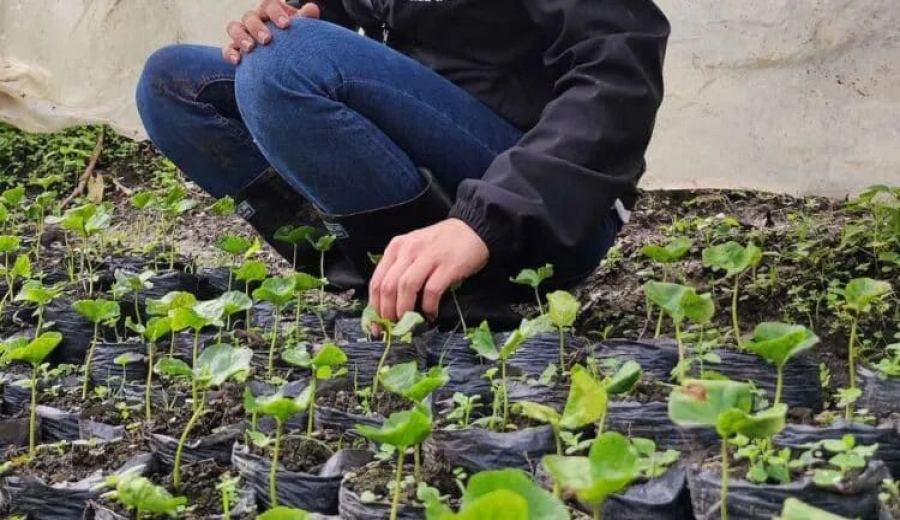
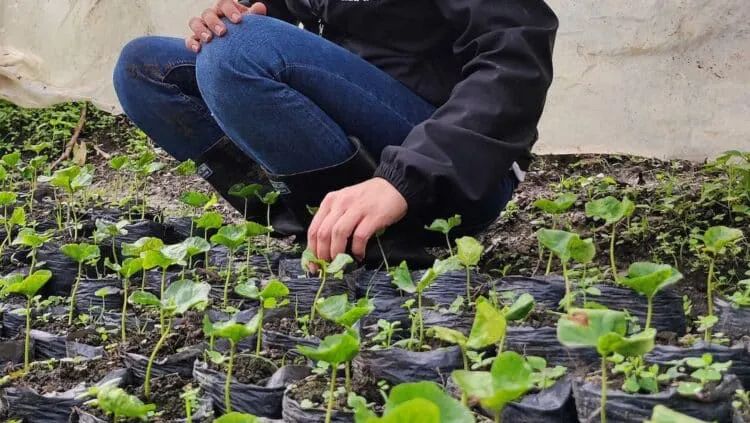
Recent news from Colombia’s coffee-growing regions brings good news: through collaboration with international brands, local growers have received over 55.7 million disease-resistant coffee seedlings. These seedlings have been improved mainly to resist common diseases such as leaf rust and coffee berry disease, helping to stabilize coffee production in the coming years. The project covers 17 provinces nationwide, benefiting more than 17,000 coffee farmers. In addition to providing seedlings, it also includes initial fertilizer support to ensure the healthy growth of the young plants.
This initiative, launched jointly by Starbucks and the Colombian Coffee Growers Federation (FNC), began in November 2020 with an initial scale of just 23 million seedlings. It was later expanded to a total of 45 million seedlings in 2022 in response to the urgent demand for disease-resistant varieties in the growing regions. This program not only helps to renew aging coffee plantations but also enhances the yield potential per unit area and the economic viability of farms. According to statistics, over 7,200 hectares of planting areas have already completed the replacement with highly disease-resistant varieties.
Looking back at recent seasons, Colombia’s coffee production has been significantly impacted by abnormal weather conditions. In 2023, disrupted by the El Niño phenomenon, coupled with widespread drought across South America during August and September—including severe challenges to crops in countries such as Brazil and Peru—some regions in Colombia also suffered from forest fires triggered by high temperatures and strong winds. This led to damage to nearly 11,000 hectares of woodland and farmland, with river water levels dropping by 80% to 90%, severely limiting irrigation sources and causing a sharp decline in coffee harvests between July and September.
Fortunately, with the arrival of the rainy season in October, the drought situation gradually eased, allowing coffee trees to recover and production to rebound. According to the latest forecast by FNC, the total production for the 2023/24 crop year (from October each year to September of the following year) is expected to reach 12.8 million bags (each bag weighing 60 kilograms), marking an increase of over 20% compared to the previous year. Meanwhile, a report from the U.S. Department of Agriculture’s Foreign Agricultural Service (FAS) further indicates that production for the 2024/25 crop year is expected to climb to 12.9 million bags, primarily benefiting from improved weather conditions and advancements in agronomic techniques.
Notably, around 87% of Colombia’s coffee-growing areas have now been replanted with varieties resistant to leaf rust, significantly reducing the threat of disease to yields. In addition, domestic coffee consumption demand is also steadily increasing, projected to reach 2.3 million bags for the 2024/25 crop year, an annual rise of about 4%. As a result, the volume of coffee available for export is estimated to be 12 million bags.
On the global market front, due to extreme weather hitting Brazil, concerns have intensified over its next season’s coffee supply. This is compounded by port transportation delays, geopolitical instability, and the possibility of the U.S. raising import tariffs, among other uncertainties—all of which caused Arabica coffee futures prices to surge in November, hitting a 47-year high. Analysts generally believe that, amid the interplay of these positive and negative factors, even though Colombian production is recovering, coffee prices will likely remain at a high level in 2025.
Overall, through variety improvement, climate adaptation, and international cooperation, Colombia is gradually strengthening its pivotal position in the global coffee supply chain. For consumers, this means not only increased stability in the supply of Colombian beans, but also potentially more consistent quality thanks to the widespread adoption of disease-resistant varieties.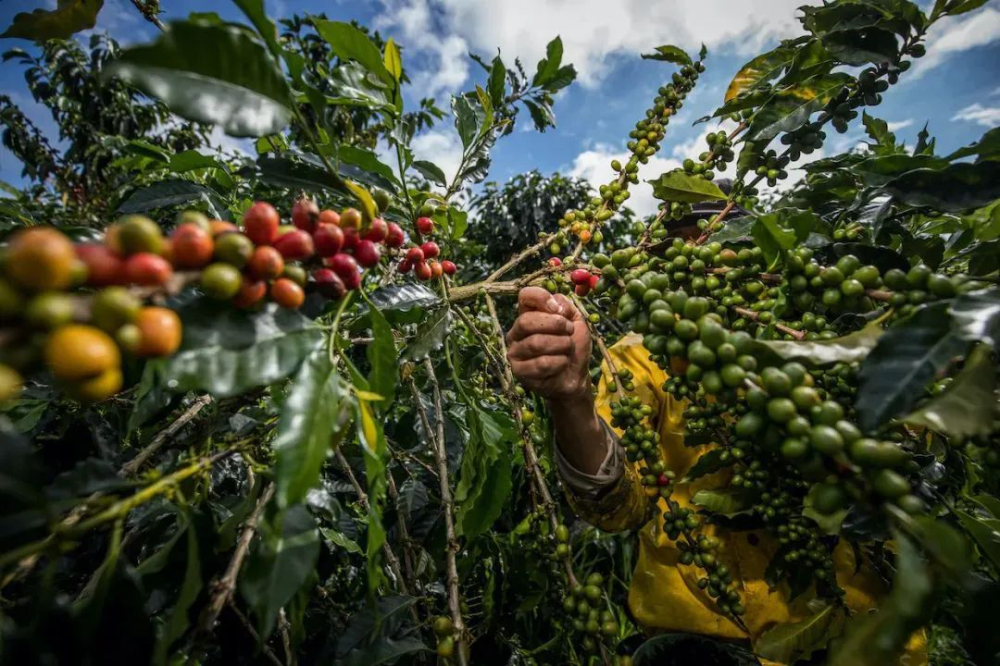
The above content is compiled by CoffeeHunters, a coffee news website.


