







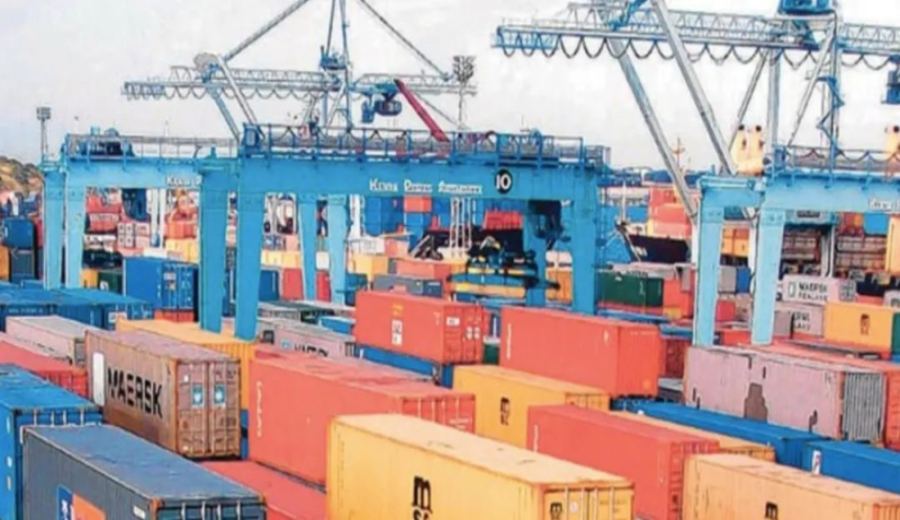
Introduction:A sudden malfunction in Kenya’s customs system, iCMS, has paralyzed operations at the Port of Mombasa, leaving coffee and tea worth billions of Kenyan shillings stranded at the port for over five days, affecting exports from multiple African countries. This article delves into the incident, the flaws in the system, and the counterintuitive rise in Kenya’s coffee market prices, providing key insights for readers following global coffee supply chains.
Kenya Revenue Authority’s (KRA) integrated customs management system (iCMS) recently experienced a major technical failure, rendering it non-operational for five consecutive days and bringing the cargo clearance process at East Africa’s largest port, Mombasa, to a complete halt. A large volume of coffee and tea ready for export was stuck in the port area, with a total value reaching billions of Kenyan shillings. Traders were unable to ship their goods on time, impacting not only Kenya but also the agricultural exports of neighboring countries such as Tanzania, Uganda, and Rwanda.
The disruption not only caused delays and additional costs for exporters, but some containers also missed their scheduled vessel departures, leading to ships leaving ports empty and resulting in direct economic losses. Some exporters noted that if the system is not promptly restored, Kenya’s overall export industry could suffer losses exceeding billions of shillings, potentially damaging its supply reliability and reputation in the international market.
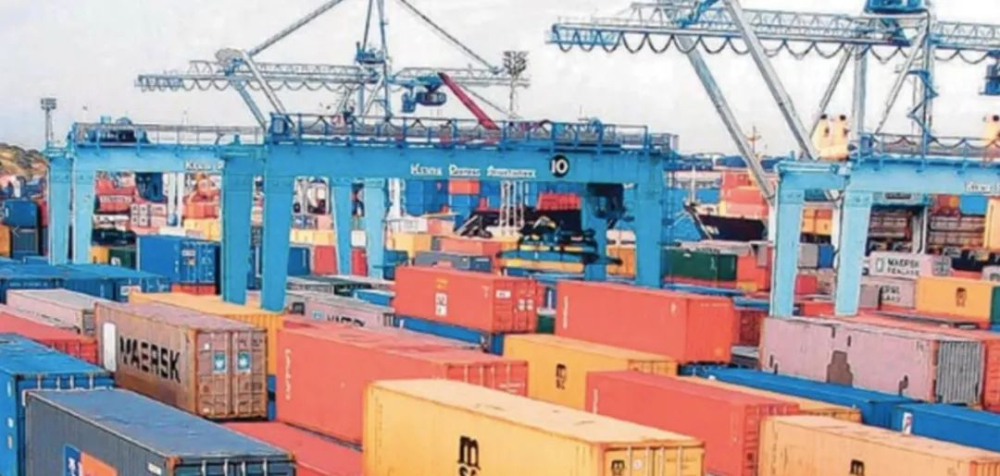
The iCMS is a new customs management platform gradually introduced by the Kenyan government since 2019, intended to replace the previous Simba system, which had been in use for over twelve years. The new system integrates advanced features such as automated valuation, green lane fast-track clearance, and importer declaration confirmation, and has become the sole official platform for import and export documentation in Kenya. As a result, any malfunction in this platform immediately paralyzes the port’s import and export processes. KRA has now urged traders to temporarily hold off on submitting documents and has apologized for the delays.
It is worth noting that this is not the first major failure of the iCMS. In April 2023, the customs e-portal also experienced a complete shutdown for a whole week, causing severe congestion of goods at the Port of Mombasa and other entry points, with losses amounting to nearly billions of dollars and sparking strong backlash from the industry. This latest interruption once again highlights the system’s stability as an urgent issue that needs resolving.
The Port of Mombasa is not only Kenya’s largest trade gateway but also a crucial transit hub serving landlocked countries such as Tanzania, Uganda, Rwanda, Burundi, South Sudan, and Ethiopia. Beyond severely impacting Kenya’s own exports, this incident has also visibly affected neighboring regions that rely on the port to export agricultural products such as coffee.
Coffee is a major export commodity for many East African countries. Currently, due to clearance and shipping delays, goods continue to pile up in the port area, incurring high storage fees. Furthermore, prolonged storage may compromise the quality of the coffee beans, especially for green beans and specialty-grade batches that require stringent flavor preservation—posing particularly significant risks.
In fact, the Port of Mombasa had already been facing challenges due to international developments. Frequent attacks on commercial vessels by Houthi militants in the Red Sea region have led multiple shipping companies to reroute via the Cape of Good Hope in southern Africa, causing a surge in cargo volume at Kenyan and Tanzanian ports. However, the corresponding infrastructure has not been expanded accordingly, and issues such as vessel congestion and container delays had already emerged. This system failure has undoubtedly exacerbated an already strained port operation.
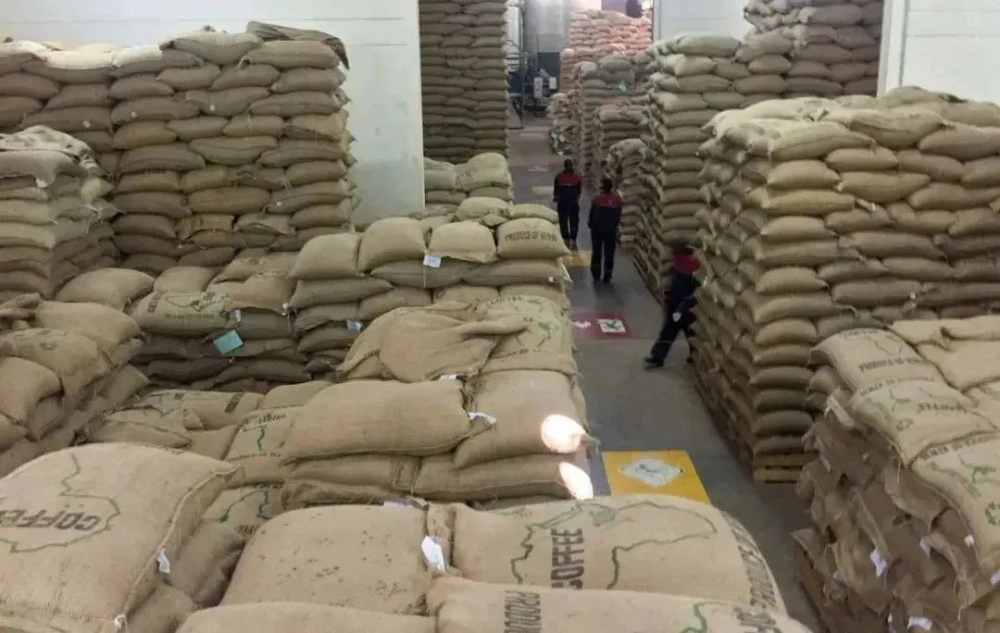
Interestingly, while the port crisis continues, a very different signal is coming from the Nairobi Coffee Exchange in Kenya: the latest transaction prices have climbed to $261 per bag (50 kilograms), up from the previous $251 level, marking a new high for the year. Meanwhile, international coffee futures prices have shown a downward trend, indicating that global buyers still maintain strong demand for high-quality Kenyan coffee, even willing to pay higher premiums to ensure supply stability.
Although Kenya’s coffee export volume and total revenue have maintained growth this year, domestic producers still face challenges such as reduced cultivation areas, rising production costs, and climate change. The current export delays have further increased pressure on the industry, not only causing huge losses for traders but also posing potential threats to the competitiveness of Kenyan coffee in the global market.
The above content is compiled by CoffeeHunters, a coffee news website.


