







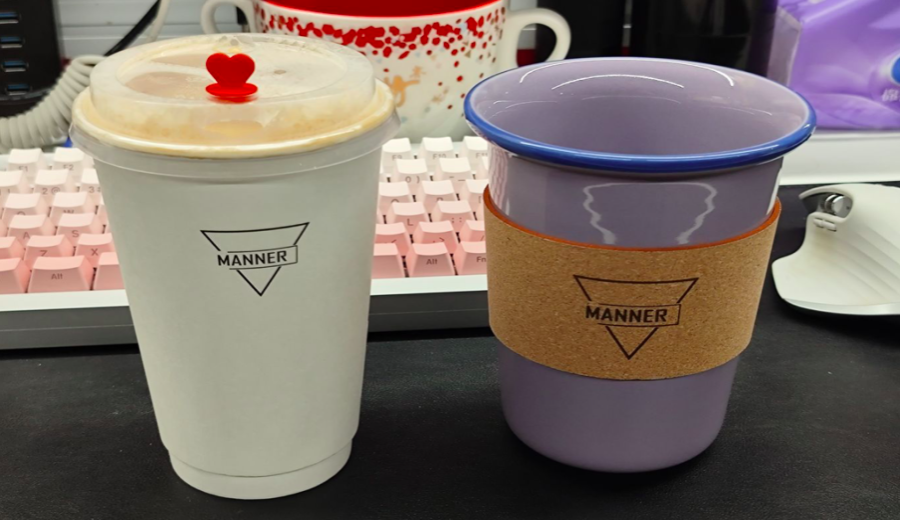
Introduction:Manner recently launched a limited-time promotion offering a set of two Clove Purple ceramic cups with the purchase of two Chestnut Latte drinks, which led to a surge in store orders. While the campaign successfully attracted customers, it also resulted in slower service, staff burnout, and even discouraged regulars from returning. This article delves into the operational pressures, employee challenges, and brand feedback mechanism issues arising from the promotion, providing practical insights to help readers understand the real impact behind coffee brand promotions.
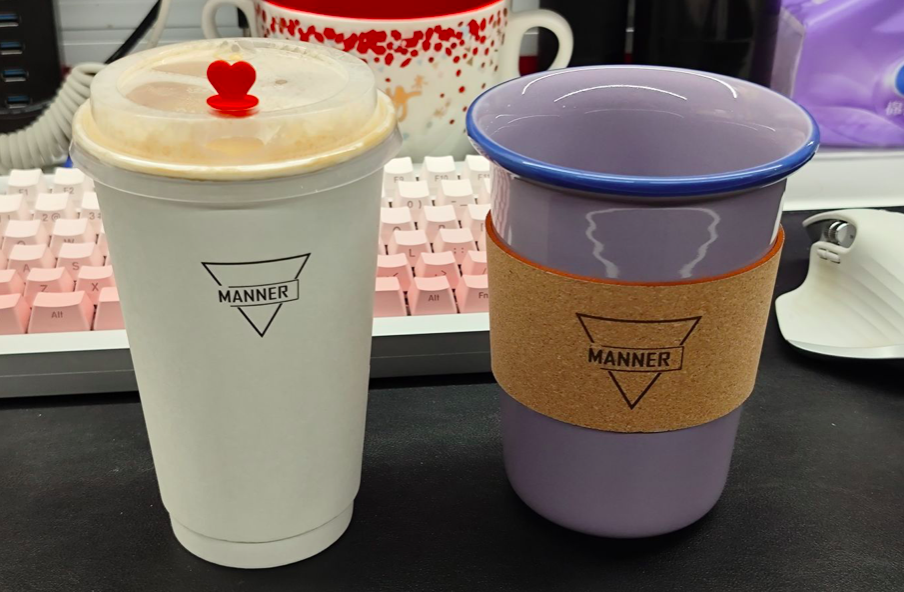
To promote its new Chestnut Latte flavor, Manner once again launched an exclusive buy-two-get-one-Clove-Purple-ceramic-cup campaign, successfully drawing in a large number of collectors of ceramic cups. Such peripheral giveaways have become a key strategy for brands to attract customers, with many fans closely monitoring campaign schedules to place orders early and secure their desired cup designs.
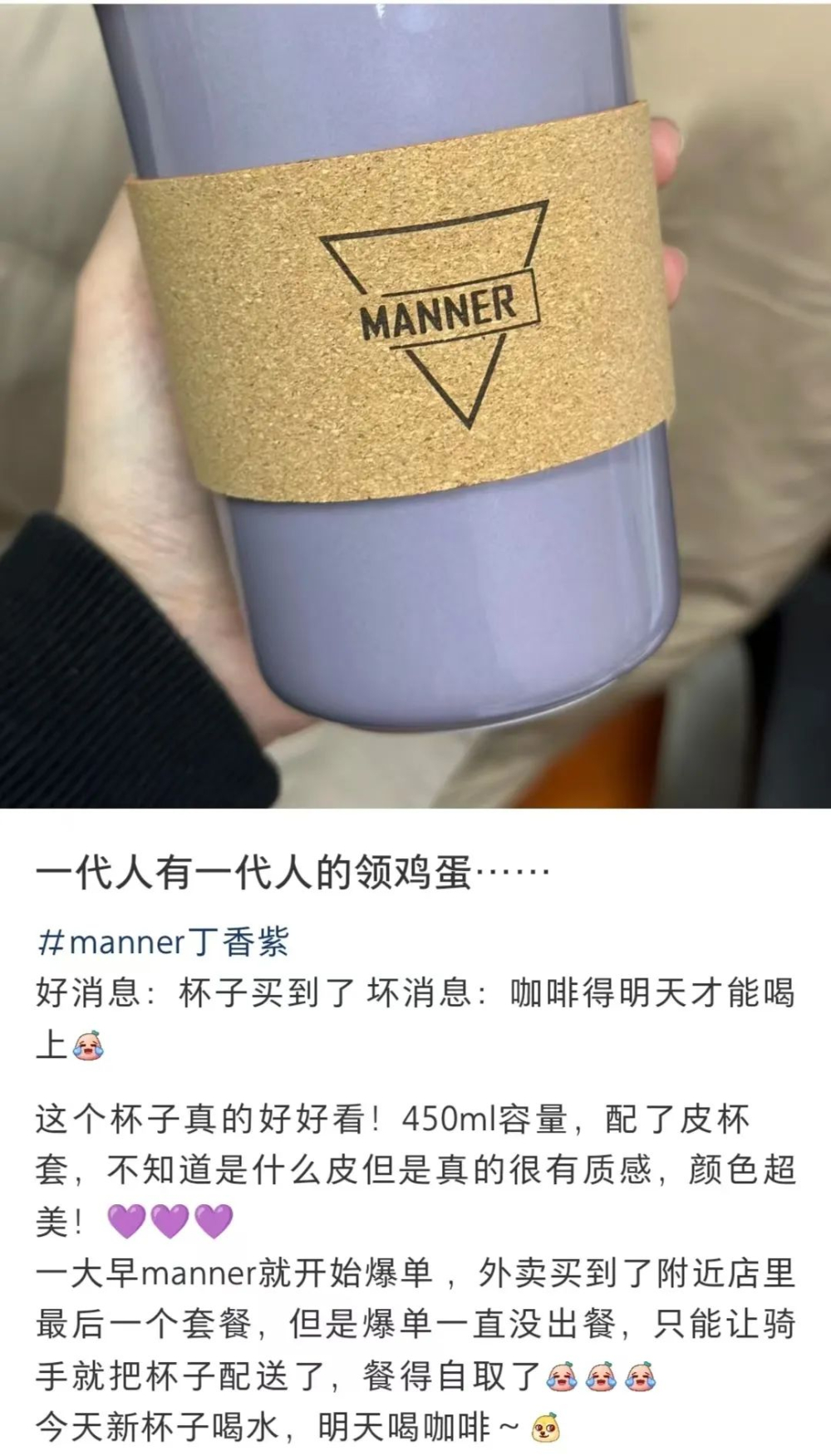
However, during this campaign, many stores faced overwhelming order volumes, leading to noticeably slower service times. In some cases, customers only received the cups without their drinks. Although such incidents were isolated, many users reported that whenever Manner runs a cup-giveaway promotion, most stores experience a surge in orders, a decline in service efficiency, and an overall diminished customer experience.
For regular customers who aren’t interested in the merchandise, the crowds and wait times on promotion days are often off-putting, with some choosing to patronize other coffee brands instead. One regular commented, “Whenever I see Manner running a cup promotion, I just go to another café — at least I don’t have to wait that long.”
Faced with a sudden spike in orders, frontline staff have been under immense pressure. Many employees have taken to social media platforms to share their struggles, complaining about long working hours, heavy workloads, and insufficient support. “We make over ten thousand in sales in twenty working hours, but the staff are really burned out,” “From morning to night, it’s non-stop taking orders, grinding coffee, steaming milk, latte art, packing orders, and handling the floor — there’s no time to catch a breath,” “Sometimes we’re so busy we don’t even get a chance to eat lunch,” “When orders explode, I feel like I could pass out,” “Working nearly ten hours a day, physically and mentally exhausted.”
Staff pointed out that on cup-giveaway days, the receipt printers often spew out order tickets stretching up to two meters long, creating an overwhelming sense of pressure. Although these campaigns can temporarily boost revenue, if store performance doesn’t meet the company’s set thresholds, additional staffing support still isn’t provided, leaving employees in a state of prolonged high stress.
Many employees questioned, “How many cup giveaway campaigns does Manner plan to run each month?” “It’s always giving away cups, and there’s just no end to it.” They called on the brand to better manage the frequency of promotions and to take the workload of frontline staff more seriously.
Previously, after an incident involving spilled coffee, Manner had pledged to establish internal feedback channels to listen to employee concerns. However, some staff reported that the so-called “direct feedback line” has largely become a formality, with few suggestions actually being adopted and issues remaining unresolved.
In the absence of effective feedback mechanisms, many employees have resorted to expressing their dissatisfaction through social media platforms, hoping to draw the brand’s attention, adjust promotion strategies, reduce the frequency of campaigns, give frontline staff more breathing room, and maintain good service quality for customers.
This incident highlights the challenges coffee brands face in balancing promotional activities with proper staffing. For consumers, understanding the operational realities behind these promotions can help them view promotional offers more rationally; for industry professionals, it serves as an important opportunity to reflect on workforce management and employee welfare.
The above content is compiled by CoffeeHunters, a coffee news website.


