







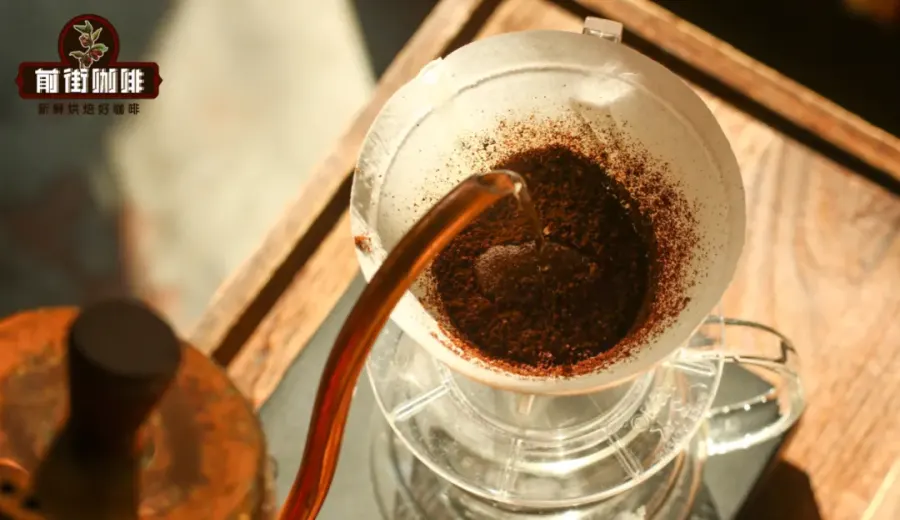
Introduction:The blooming stage of pour over coffee often puzzles beginners: when should the timer start? What’s the reasoning behind the recommended 30 seconds and using twice the coffee’s weight in water? This article delves into the core purpose of blooming—from the principle of gas release to practical adjustment techniques—to help you master the correct timing and the logic behind the parameters, while also clarifying common misconceptions about whether the pouring stage should be included in the timing. This will lead to more stable and outstanding extraction for every cup of coffee.
Many pour over enthusiasts have faced a frustrating question: should the blooming time be counted from the moment water is first poured, or only after the pouring is completed? Some even wonder if blooming should be considered the first official stage of the entire extraction process. In fact, as long as you understand the essential function of blooming, these questions become easy to resolve. In every pour over session, we consistently perform the blooming step because it plays a crucial role in the final flavor presentation. This article will start with the actual benefits of blooming, explain in detail why the standard of 30 seconds and twice the coffee’s weight in water is recommended, and guide readers on when to adjust the time and when to change the water volume—helping you fundamentally understand the logic of timing and segmentation.
In the pour over process, blooming is almost an indispensable step. Unless under special circumstances, this step is usually retained for a simple reason: proper blooming makes the subsequent extraction smoother, thereby easily extracting coffee with balanced and layered flavors. Many novice coffee drinkers share a common question: why is the blooming time generally recommended to be 30 seconds? And why should the water volume reach twice the weight of the coffee grounds? Would slightly extending or shortening the time, or slightly increasing or decreasing the water, necessarily affect the outcome?
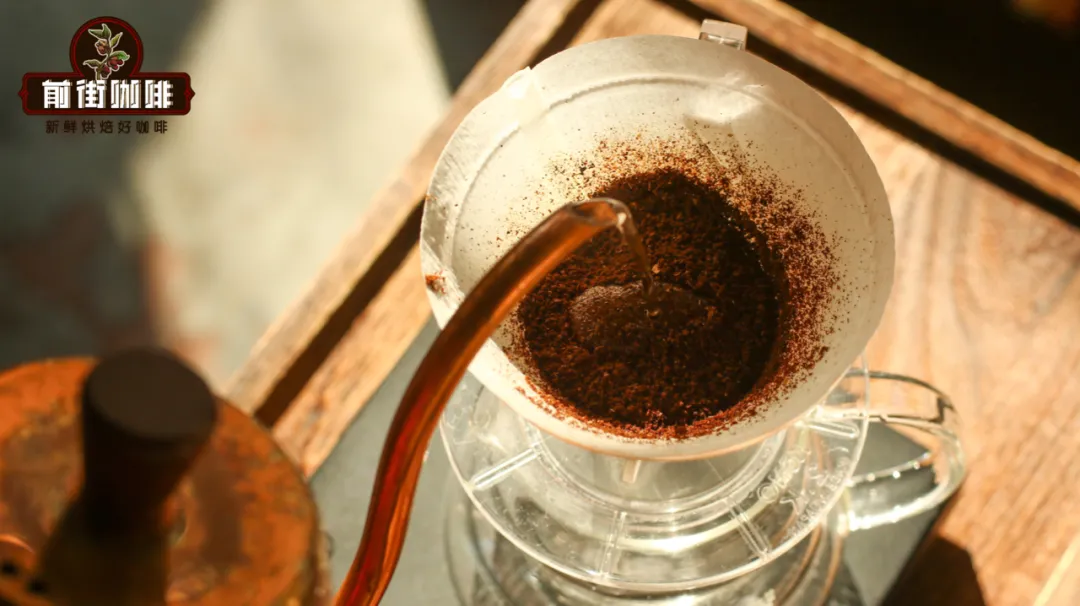
In fact, the duration and water volume of blooming are not absolutely fixed standards but are parameters that can be flexibly adjusted according to the actual situation. However, before tweaking these values, it is more important to first understand the true purpose of blooming and the origin of the recommended values of 30 seconds and twice the water volume. Only then can you make the right adjustment decisions when facing different coffee beans or brewing environments—knowing when to extend or shorten the time, and when to increase or decrease the water.
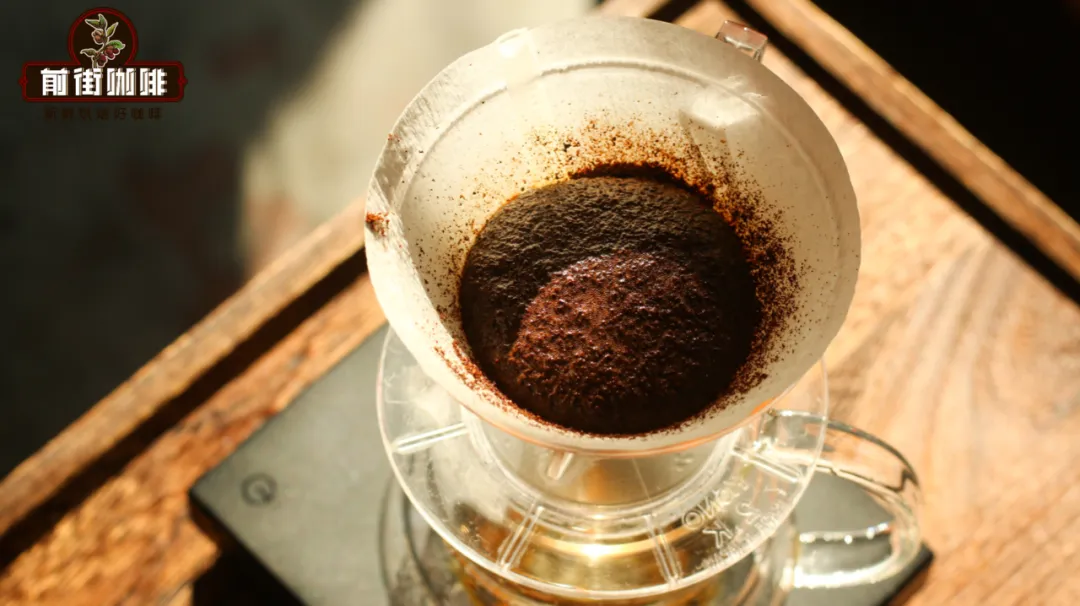
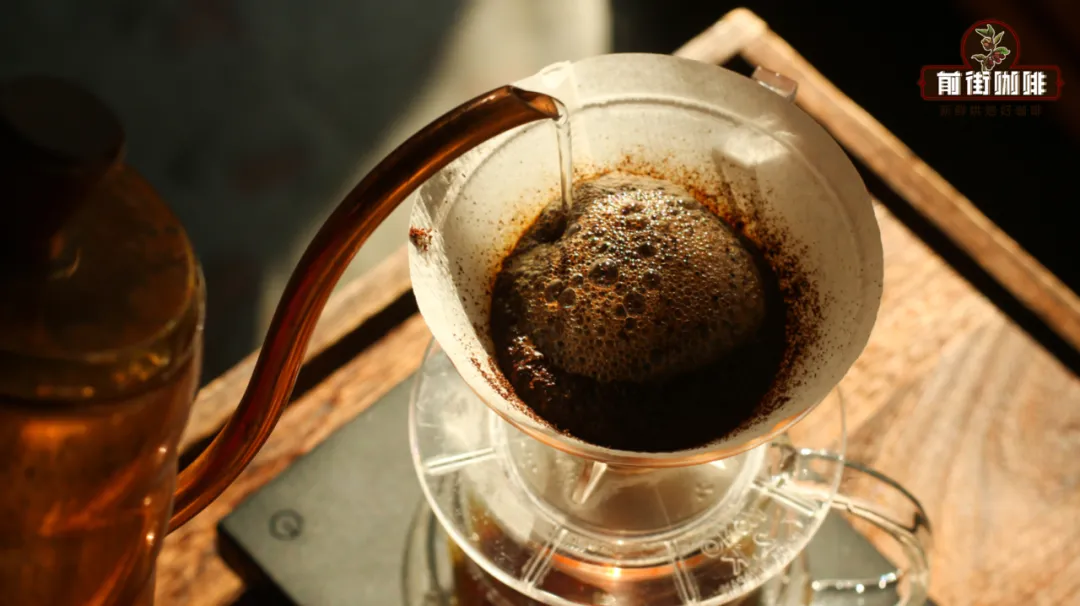
The primary function of blooming is “gas release.” As is well known, after roasting, coffee beans accumulate a large amount of carbon dioxide internally. These gases have dual characteristics: on the positive side, they can delay the volatilization of coffee flavor compounds to some extent, helping to extend the coffee bean’s shelf life; however, on the negative side, during the actual extraction process, these carbon dioxide molecules form an invisible barrier that prevents hot water from fully contacting the flavor components in the coffee grounds—like a wall blocking the essential substances that want to be released.

This gas release process not only affects the efficiency of extraction but is also directly related to the final flavor performance of the coffee. If blooming is insufficient and carbon dioxide is not released in time, subsequent pouring will struggle to effectively penetrate the coffee bed, leading to uneven extraction—resulting in weak flavors, insufficient aroma, or even noticeable cardboard or overly sour notes. Therefore, the recommendation of 30 seconds and twice the water volume is precisely to create optimal conditions for the full release of carbon dioxide, paving the way for subsequent flavor extraction.
Regarding the starting point of the timer, many beginners are easily confused: should the timing begin the moment the first drop of water touches the coffee grounds, or only after the entire pouring action is finished? The correct understanding is that the blooming timer should start from the moment the water is poured—that is, when the water first contacts the coffee grounds and begins to wet the coffee bed. This period covers the initial interaction between water and coffee grounds until the blooming stage is complete. As for whether the pouring stage is included in the total extraction time, it depends on individual workflow planning, but blooming itself, as an independent preparatory step, has a coherent and indivisible 30-second timing.
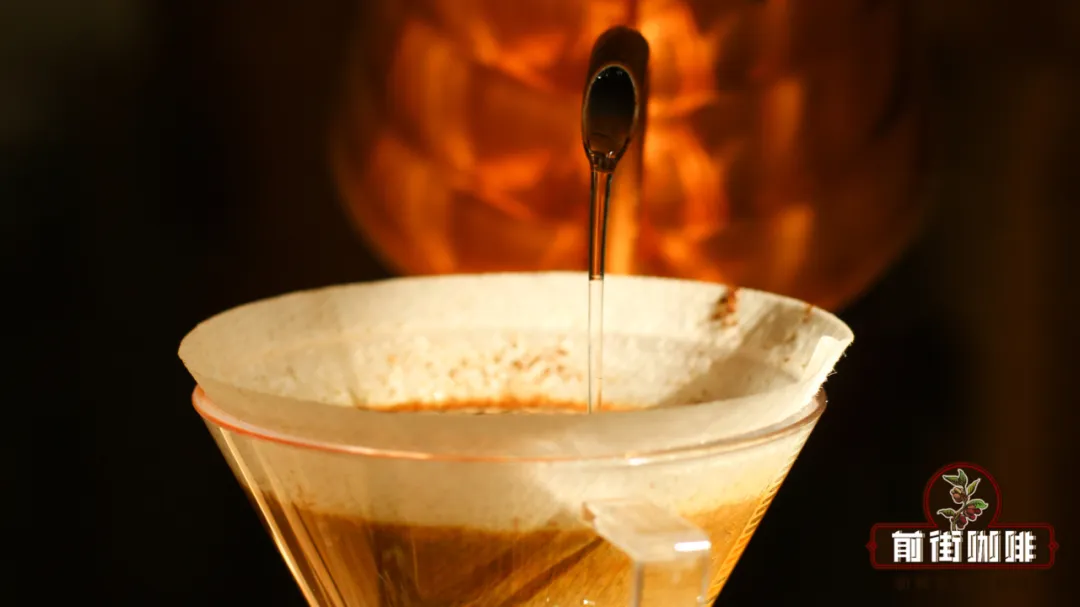
Additionally, the recommended two-fold water volume also has scientific basis. This amount ensures the coffee grounds are fully saturated, expanded, and accelerates the release of carbon dioxide. If the water volume is insufficient, the coffee grounds may not be completely wetted, leading to localized inadequate gas release; conversely, if too much water is used, although the gas release might be more effective, it could dilute the concentration balance of the subsequent extraction. Therefore, adjusting according to the actual coffee dosage (e.g., around 30 ml of water for 15 grams of coffee) is key to ensuring both blooming effectiveness and overall extraction quality.
When you find that a particular pour over yields coffee with weak flavors, insufficient aroma, or unpleasant sourness, it’s worth revisiting the execution of the blooming stage: was the timing adequate? Was the water volume appropriate? Was the coffee bed evenly wetted? These details are often the hidden keys affecting the final taste. By understanding the principles of blooming and practical adjustment techniques, you’ll be able to more confidently control the quality of each pour over cup, bringing the flavors closer to the ideal state.

In summary, blooming is not just a simple preparatory step in the pour over process, but a key factor that influences the success of the entire extraction. From the mechanism of gas release to the logic behind the recommended 30 seconds and twice the water volume, to correctly understanding the starting point of timing—each detail is worth mastering in depth. When you can skillfully apply this knowledge in practice and make appropriate adjustments based on the characteristics of the coffee beans and environmental changes, you’ll enable every cup of pour over coffee to showcase its most captivating flavor profile.
Whether you’re a beginner just starting with pour over or an experienced coffee enthusiast, revisiting the principles and practical operation of blooming can significantly elevate your coffee-making. Remember, great coffee comes not only from high-quality beans but also from precise control of every detail—starting with blooming, making your pour over journey smoother and more rewarding.
The above content is compiled by CoffeeHunters, a coffee news website.


