







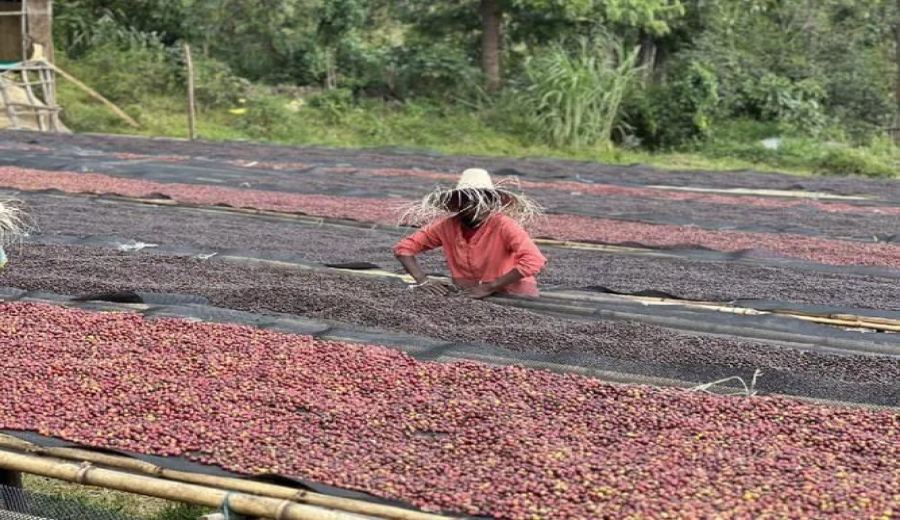
Introduction:Ethiopia’s coffee export revenue soared to $155 million in October, a year-on-year surge of 66%, with shipments exceeding 35,000 tonnes. Behind this growth are both soaring global coffee prices and increased production. However, domestic conflicts and the Red Sea shipping crisis are raising concerns. This article delves into the latest export data, geopolitical developments, and how these factors may impact future coffee supply and price trends.
Ethiopia’s coffee industry showed strong performance in October, with export revenue skyrocketing by 66% year-on-year to $155.53 million and shipment volume surpassing 35,000 tonnes. This growth was driven primarily by two factors: persistently high international coffee prices and improved domestic production. According to data from the Ethiopian Coffee and Tea Authority (ECTA), cumulative exports from July to October increased by 71% year-on-year, indicating robust overall export momentum.
Specifically, in October, Ethiopia shipped over 35,170 tonnes of coffee overseas, generating revenue of $155.53 million. Compared to the same period last year, revenue increased by $62.8 million and shipment volume rose by 15,078 tonnes. This performance far exceeded market expectations, as the country had initially planned to export just over 20,000 tonnes of coffee, with a target revenue of $108.05 million.
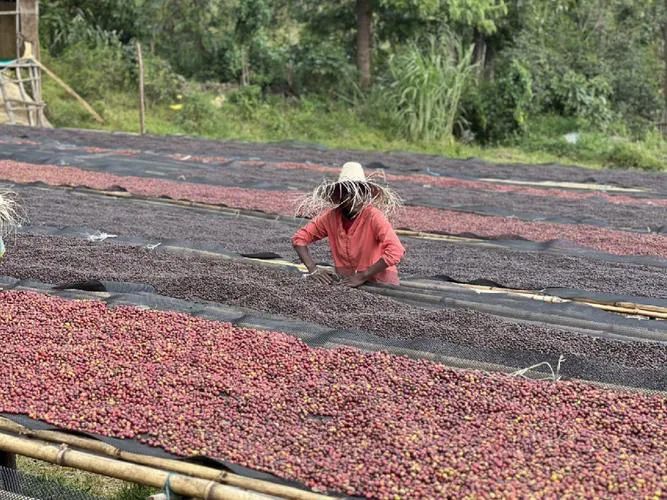
In fact, October’s coffee exports not only achieved gains in both volume and value but also surpassed monthly targets: shipment volume reached 176% of the target, while export revenue hit 144%. Since the launch of the 2024/25 fiscal year in July, Ethiopia has significantly expanded its coffee supply to the global market. From July to October, the country exported a total of 150,346 tonnes of coffee, up 71% year-on-year, with export revenue rising 51% to $674.55 million.
Looking back at the previous fiscal year, Ethiopia’s coffee export revenue was $1.43 billion, and this fiscal year is expected to break that record. This growth is mainly attributed to stabilizing weather conditions that are favorable for coffee cultivation, along with relatively high international coffee prices that have further stimulated export performance.
However, Ethiopia’s coffee industry is not without concerns. The country has long been plagued by internal conflicts, particularly in the Amhara region, where clashes between government forces and the Fano militia have persisted for over a year. Despite the government deploying heavy weapons, including drones and combat helicopters, it has not effectively suppressed Fano activities. Reports indicate the group now commands nearly 500,000 fighters and has maintained control over much of Amhara’s rural areas and local economies.
Recently, the Fano militia ambushed government forces in regions such as Wollo and Shewa, including an attack near Debre Berhan, located about 120 kilometers north of the capital Addis Ababa. Although exact casualty figures have not been released, reports suggest significant losses on the government side. After a meeting between the Ethiopian Defense Forces Chief of Staff and regional officials, plans were announced to “completely defeat” the Fano forces by the end of December, or else withdraw troops—though there is widespread skepticism about achieving this goal.
Although major coffee-growing areas are concentrated in the south and have not been directly affected by the conflict, Amhara, a key food-producing region, has seen price hikes across the board due to blockades, which in turn have driven up production costs for coffee farmers. These indirect factors could put pressure on future coffee yield and quality.
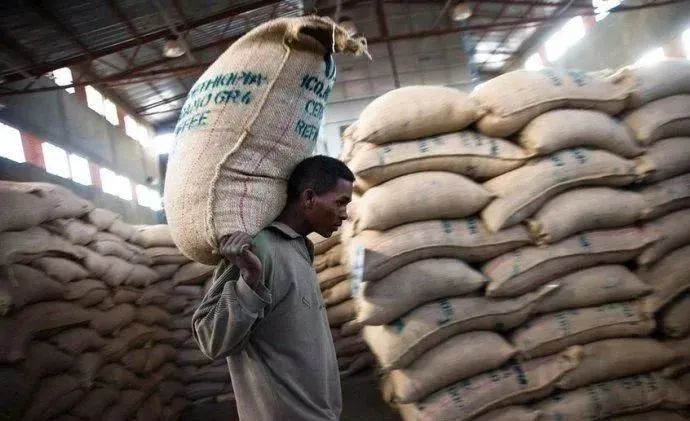
Beyond domestic instability, the international shipping environment also poses challenges for Ethiopia’s coffee exports. As the country relies on the Port of Djibouti for foreign trade, frequent attacks by Houthi militants in the Red Sea have drastically reduced container ship traffic through the route. This has not only driven up the cost of importing food, daily necessities, and fertilizers, but also led to longer shipping times and rising freight costs for coffee exports.
Under the influence of these compounded factors, Ethiopia’s coffee export prices continue to climb, and the stability of future market supply and price trends remain closely watched. For global consumers, this may mean that in the coming period, high-quality coffee from Ethiopia could face risks of price increases or supply instability.
The above content is compiled by CoffeeHunters, a coffee news website.


