







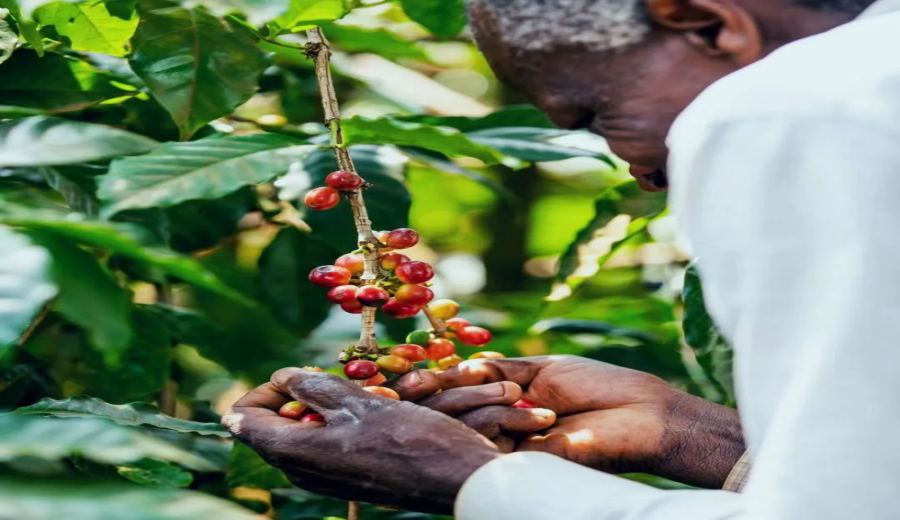
Introduction:Although Tanzanian coffee may not be as well-known as its neighbors Ethiopia and Kenya, the beans grown in its high-altitude volcanic soils possess a unique charm. This article delves into the washed Typica variety from the slopes of Mount Kilimanjaro, Africa’s highest volcano, covering everything from regional conditions and smallholder farming practices to the actual flavor profile. It will help you fully appreciate this specialty coffee bean with its delicate flavors and gentle sweetness.
When it comes to African specialty coffee, many people’s first thoughts are often the citrusy floral notes of Ethiopian beans or the pronounced berry characteristics of Kenyan ones. However, Tanzania — one of the “Big Three” African coffee producers — though less in the spotlight, holds undeniable coffee potential. Its flagship Kilimanjaro region, with its high elevation and fertile volcanic soils, produces coffee that balances complexity with harmony.
Mount Kilimanjaro, the highest volcano on the African continent, is not only famed for its majestic snow-capped peak but also for being one of Tanzania’s most important coffee-growing areas. The region’s altitudes range between 1,050 and 2,500 meters, making it ideal for growing Arabica varieties. The local volcanic ash soil is rich in minerals, and the significant day-night temperature variation helps coffee cherries ripen slowly, accumulating more complex flavor compounds.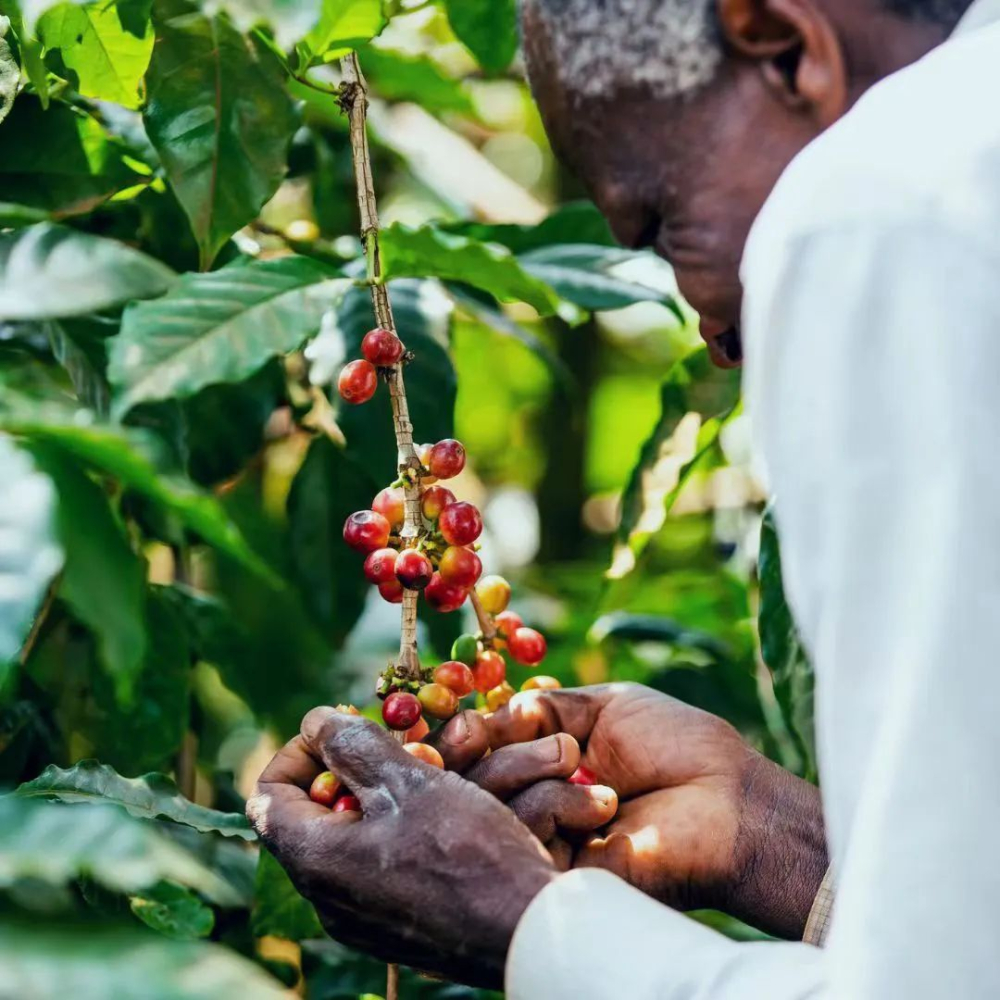
Tanzania’s coffee cultivation history dates back to 1893, when the first coffee plants were introduced to the Kilimanjaro area. During the colonial era, coffee production was mostly managed through large estates. After independence, policy changes led to land redistribution, paving the way for the smallholder-driven industry structure seen today. Now, over 90% of the country’s coffee output comes from small-scale individual farmers, who typically join cooperatives to collectively enhance bargaining power and quality control standards.
Among the various cooperatives, the Kilimanjaro Cooperative Union (KNCU) is one of the most representative organizations. Established for a long time, it plays a critical role in providing technical guidance, quality sorting, and expanding sales channels for smallholder farmers. From the initial selection after harvest to subsequent washing and drying processes, there are established quality control procedures to ensure the exported beans meet the region’s high standards.
In terms of varieties, Tanzania grows both Arabica and Robusta. Thanks to its hardiness and high yield, Robusta has helped Tanzania become Africa’s third-largest coffee producer, following Ethiopia and Uganda, with an annual output of around 90,000 metric tons. Among Arabica varieties, Bourbon, Typica, and Kent are the main cultivars. Among them, Typica is especially favored in the specialty coffee market for its elegant flavor profile.
Washed-process Kilimanjaro Typica coffee typically exhibits a soft and balanced acidity. A light sip reveals a bright citrusy acidity paired with subtle berry sweetness and a honey-like finish. Meanwhile, the mid-palate notes of nuts and grains add a sense of stability and depth, resulting in a tea-like smooth mouthfeel and a lingering aftertaste with a hint of red wine character.
Compared to the bold, bright berry acidity and high-toned aromas often found in Kenyan coffee, Tanzanian coffee has a more restrained acidity that is nonetheless rounder, with a naturally expressive sweetness. These flavor traits make it highly suitable for single-origin pour over brewing, as well as playing a balancing role in blends. If you prefer Arabica beans with delicate flavors, balanced acidity and sweetness, and a soft mouthfeel, Kilimanjaro washed Typica is definitely worth adding to your tasting list.
In summary, although Tanzanian coffee may not enjoy the same level of international fame as its neighboring producing countries, the beans it produces boast unique regional characteristics thanks to high altitudes, volcanic soils, and meticulous smallholder processing. The washed Typica from the Kilimanjaro region, with its soft acidity, layered fruity notes, and tea-like mouthfeel, showcases another facet of East African coffee.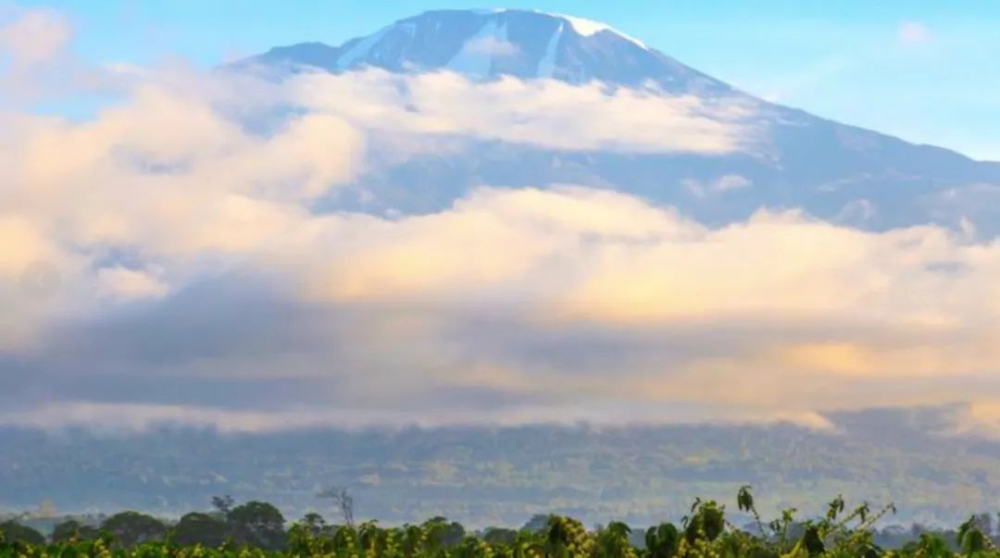
The above content is compiled by CoffeeHunters, a coffee news website.


