







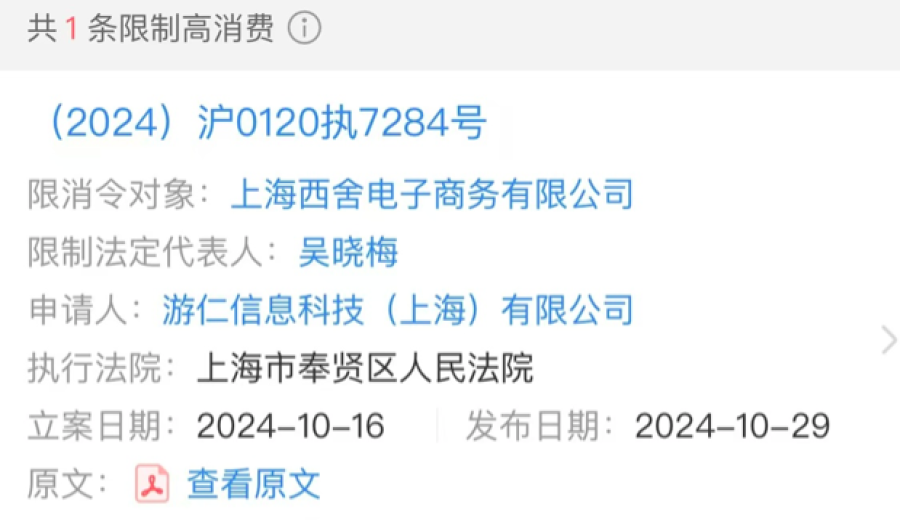
Introduction:Seesaw, once a trendsetter in China’s specialty coffee scene, has once again become the center of attention after its founder Wu Xiaomei was restricted by the court from high consumption. On October 29, the Fengxian District Court in Shanghai issued a consumption restriction order against its parent company, revealing that the brand — which once secured hundreds of millions in funding — is now facing operational challenges. This article delves into Seesaw’s transformation from a “coffee training ground” to one with shrinking store numbers, explores the real impact of its expansion strategy missteps and ongoing legal disputes, and provides key reference metrics for specialty coffee brand management.
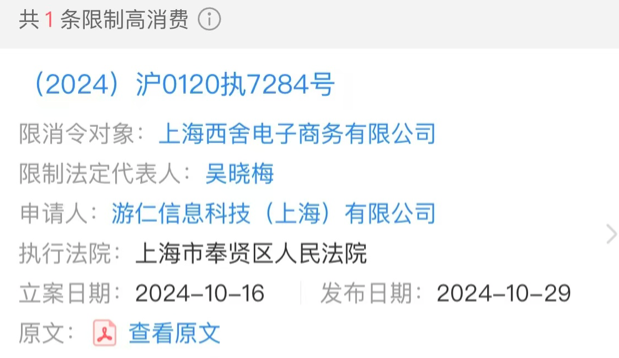
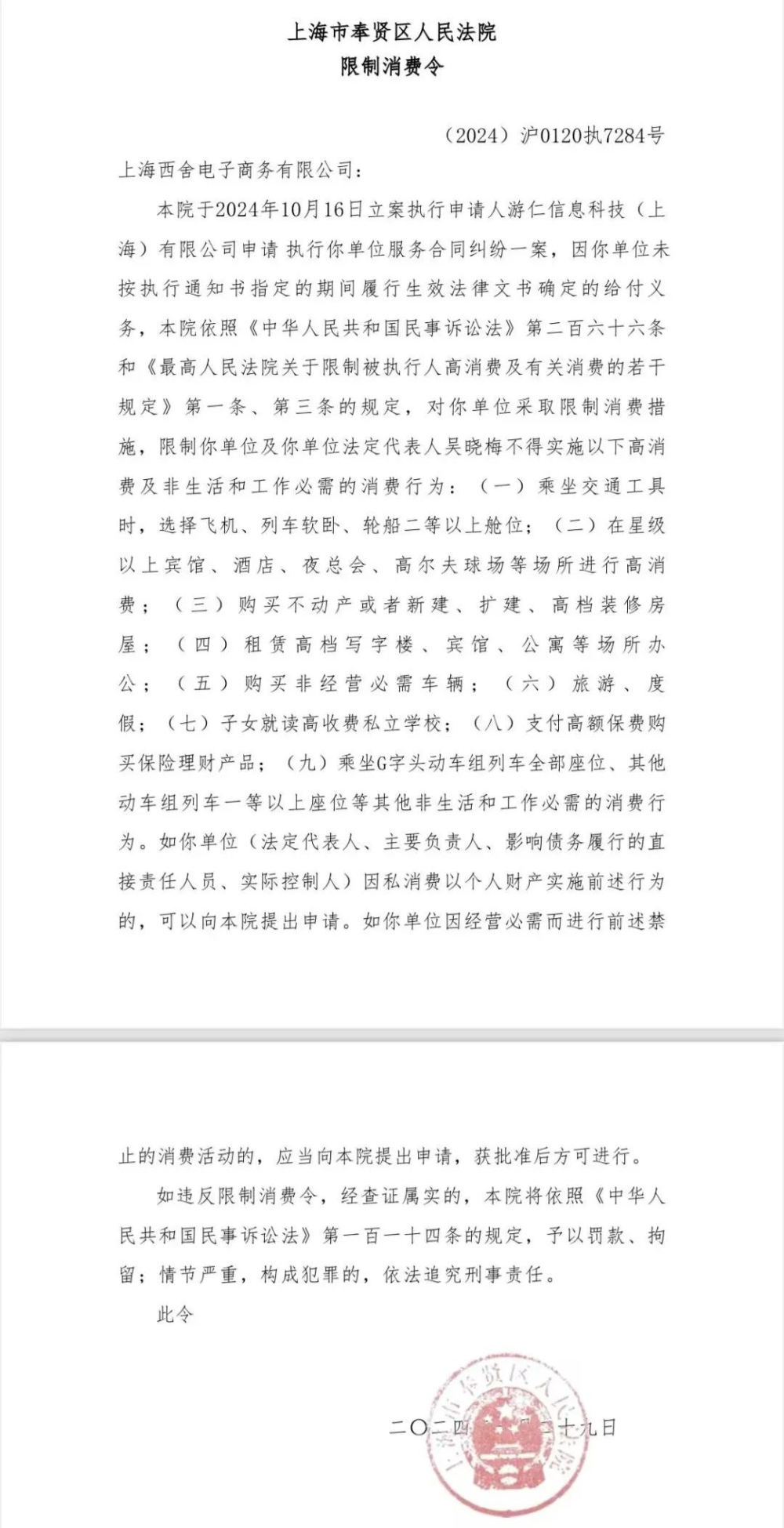
Seesaw, once highly anticipated in China’s specialty coffee industry, is now making headlines again as its founder Wu Xiaomei has been subjected to court-imposed consumption restrictions. On October 29, the Fengxian District People’s Court in Shanghai officially issued a high consumption restriction order against Seesaw’s parent company, Shanghai Xishe E-commerce Co., Ltd., stemming from a service contract dispute case filed on October 16. The applicant, Youren Information Technology (Shanghai) Co., Ltd., successfully prompted the court to enforce measures against the business due to non-payment, including prohibiting the legal representative, Wu Xiaomei, from engaging in high spending and non-essential expenses.
According to public information, this brand, founded in 2012, was once one of the pioneers of China’s specialty coffee and completed a Series A++ funding round worth hundreds of millions of yuan in 2022. However, starting from December 2023, market reports began to emerge about its store closures. Although the founder at the time emphasized that this was part of a strategic adjustment, the reality showed a continued downward trend. Social media users continuously reported that many Seesaw stores in first-tier cities such as Beijing and Shanghai had quietly shut down.
As the wave of store closures continued, Seesaw began experimenting with a franchise model in April this year to expand its market, opening its first batch of franchised stores in Xuzhou, Guiyang, Luoyang, and other locations. However, according to tracking data from the Jihai Brand Monitoring System, as of November 6, the number of stores actually in operation has sharply declined to 76, a significant shrinkage compared to its peak period. Meanwhile, the brand is facing an increasing number of legal lawsuits, including cases related to sales contract disputes, housing lease conflicts, and service contract breaches. Even former employees have revealed the existence of labor arbitration disputes.
These consecutive events have led to widespread market skepticism about Seesaw’s future prospects. Industry observers point out that the brand was once listed alongside Manner and Mstand as a representative of China’s specialty coffee scene, earning the reputation of a “coffee training ground” that nurtured a large number of industry talents. However, in the fierce market competition, Seesaw failed to achieve rapid and large-scale expansion like Manner, nor did it establish a distinctive brand identity like Mstand, ultimately leading to the loss of its target customer base and a decline in market position.
Professional coffee practitioners caution that the operation of specialty coffee brands needs to pay special attention to three key metrics: single-store efficiency should be maintained at over RMB 800 per day, customer repurchase rates should stay around 40%, and new product development cycles should not exceed 60 days. During its expansion, Seesaw may not have properly balanced these factors, especially showing clear shortcomings in franchise management and supply chain control. These oversights in operational details eventually accumulated into fatal issues affecting the brand’s survival.
Under the current circumstances, consumers generally hold a conservative attitude toward Seesaw’s future. Many former loyal customers say they find it hard to expect to experience the unique coffee flavors they once enjoyed at the brand’s stores. This decline in brand perception forms a vicious cycle with its operational difficulties, further intensifying market competition pressures.
Industry experts suggest that specialty coffee brands should pay special attention to legal compliance during their development and establish comprehensive risk prevention mechanisms. Especially during the expansion phase, it is essential to rigorously vet the qualifications of franchise partners and establish standardized operational supervision systems. While these measures may increase short-term costs, they can effectively reduce long-term operational risks and maintain brand value and market competitiveness.
The above content is compiled by CoffeeHunters, a coffee news website.


