







Introduction:A set of promotional photos from the seven-year anniversary offline event of CHAGEE sparked widespread online controversy after the brand published an image of an ordinary customer with an unflattering expression without her consent. The brand delayed responding to requests to remove the photo and did not issue a public apology. Furthermore, it responded to questions about its moderation standards with “differential treatment,” igniting public debate on the boundaries of portrait rights at brand events. This article delves into the incident, examines both sides of netizen opinion, and reminds participants of the privacy considerations they should be aware of when engaging in brand activities.
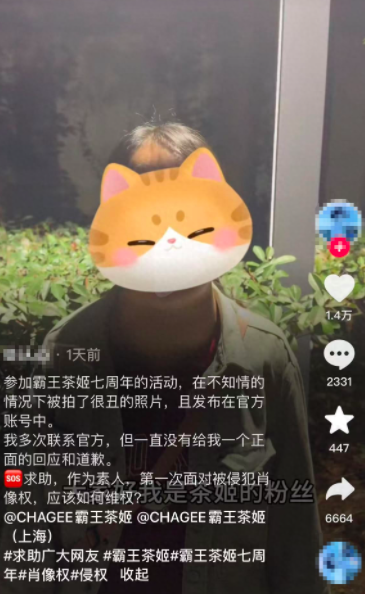
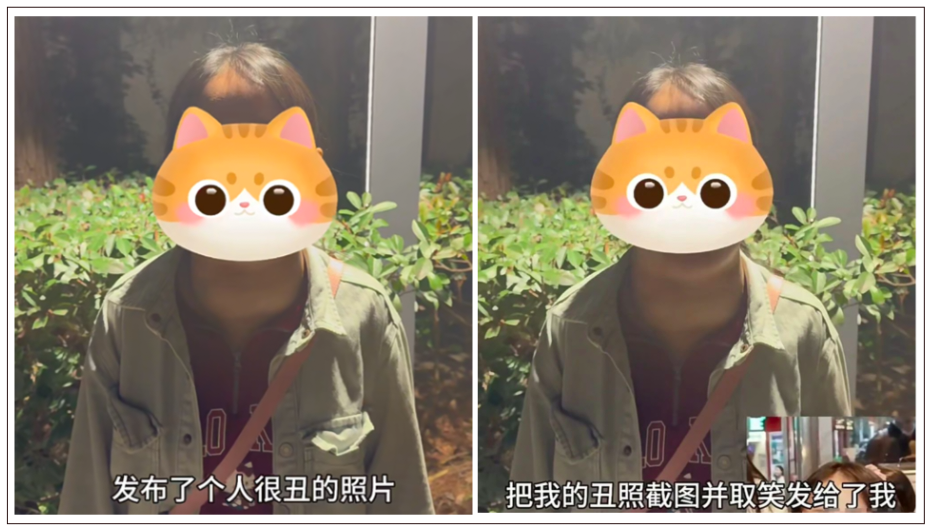
Recently, to celebrate its seventh anniversary, CHAGEE held offline events in multiple cities. However, one promotional photo inadvertently stirred up controversy. An ordinary participant had her photo taken—without her knowledge—showing an unflattering expression, which the brand then uploaded to its official social media platforms. After the photo was leaked, her friend screenshotted it and made fun of it, causing the woman significant distress.
It is understood that around 7 p.m. that evening, the customer contacted CHAGEE’s customer service to request the removal of the photo, which had been taken and published without her consent and without blurring her face, but she did not receive an immediate response. It was not until she publicly expressed her dissatisfaction that the brand removed the photo around 10 p.m. However, no public apology was ever issued, prompting the individual to question the brand’s handling of the matter.
The customer further inquired with customer service whether the brand had reviewed the photos before publishing them. The response she received was: “Both the content and captions were reviewed. We blurred others for fear of causing controversy; it’s differential treatment.” This explanation left the customer even more puzzled—why were others blurred and protected, but she was not treated the same? She believes that the brand’s public use of imagery that could harm her personal image, without her consent, has seriously affected her daily life and that the brand owes her a formal response and apology.
The incident quickly gained traction online, with netizen opinions sharply divided. Some argued that the root of the problem lay in the teasing behavior among friends, saying, “The friends who made fun of you are worse than CHAGEE,” and questioned whether the customer was overreacting. Others contended that it was inherently wrong for the brand to use images of ordinary people without permission and that it should take responsibility.
Notably, while the CHAGEE event registration page did include a notice regarding portrait rights, stating, “The event involves photography, and successful registration implies consent to the use of portrait rights,” in practice, many participants did not read the terms carefully. Moreover, from the official event photos released, it is evident that bystanders who did not actively participate in interactions were inevitably captured. The brand appeared to treat this as implicit consent and used those images in promotional materials.
However, from both a legal and ethical standpoint, even if the event includes a portrait rights usage notice, the brand should still handle images that may damage an individual’s image with caution—especially when publishing controversial scenes without the subject’s consent. For consumers participating in brand events, it is recommended to pay attention to relevant terms during registration or participation, and where necessary, actively inquire about the purpose of photography and the scope of data usage to protect one’s own rights.
As of press time, CHAGEE has yet to issue an official response regarding the incident of “publishing unflattering photos of ordinary people,” sparking further discussion on the brand’s crisis management and customer relations. This incident also serves as a reminder to both the industry and consumers that there are still many gray areas between the use of event imagery and the protection of personal privacy that need to be clarified.
The above content is compiled by CoffeeHunters, a coffee news website.


