







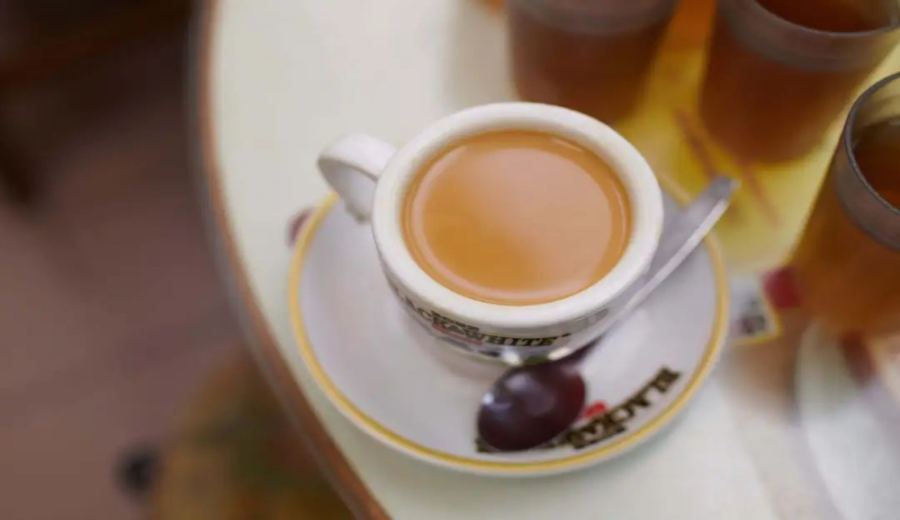
Introduction:As one of the representative elements of Hong Kong’s food and beverage culture, the Hong Kong-style Yuenyeung combines the dual flavors of coffee and milk tea, and is widely loved by the public. But do you know why this seemingly mild drink might keep you up all night? This article will take you deep into the origins, name meanings, creation background of Yuenyeung, as well as the surprisingly high caffeine content in a 700ml serving, helping you make smarter beverage choices.
The Hong Kong-style Yuenyeung is a classic local drink that combines coffee and milk tea, beloved for its rich and mellow taste. However, many people experience insomnia after enjoying it, shrouding this seemingly ordinary beverage in a layer of mystery. Where does the name "Yuenyeung" come from? What is the history behind this drink? More importantly, a common 700ml Hong Kong-style Yuenyeung actually contains an astonishing amount of caffeine—more than three cups of Americano coffee. The reasons behind this are worth exploring in depth.
The term "Yuenyeung" originally refers to a type of waterbird commonly found in East Asia. The male is called "Yuan" and the female "Yeung," and the two are always seen together, hence it has come to symbolize loving couples. In Hong Kong, Macau, and southern China, "Yuenyeung" is also often used to describe a combination of two different elements. This drink, which perfectly blends coffee and milk tea, is one such example. Although it possesses characteristics of both coffee and milk tea, it is generally not simply called "Yuenyeung Milk Tea" or "Yuenyeung Coffee," but rather just "Yuenyeung"—simple and fitting.
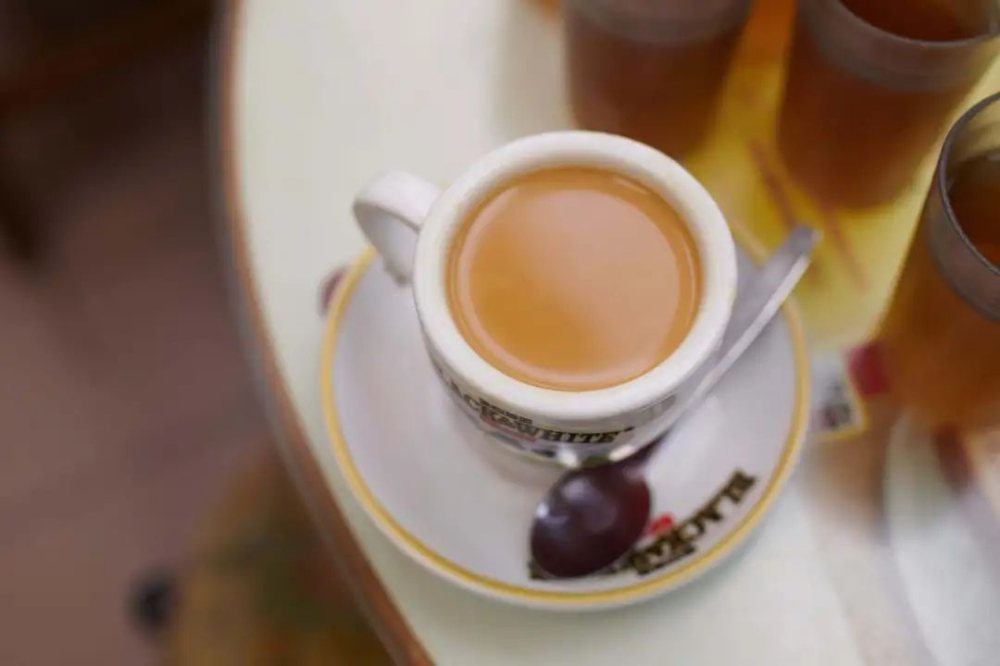
There are many theories about the origin of the Hong Kong-style Yuenyeung, but the most widely known version is related to dockworkers in early Hong Kong. Going back to the 1950s, under British colonial influence, tea and coffee became popular in Hong Kong. However, traditional English-style milk tea was expensive and limited to the upper class. To meet the working class’s need for alertness and energy replenishment, cha chaan tengs (Hong Kong-style diners) began using locally sourced broken tea leaves to brew a strong and affordable Hong Kong-style milk tea, replacing fresh milk with evaporated milk and adding plenty of sugar, resulting in a distinctive drink that was smooth in texture and high in calories.
It is said that at the time, many dockworkers, in order to stay awake during their strenuous work, came up with the idea of adding caffeinated coffee to their milk tea, creating this unique drink that combined the smoothness of milk tea with the stimulation of coffee. This mixed drink quickly spread among the working class and also witnessed the parallel development history of coffee and milk tea in Hong Kong.

Beyond the practical needs of dockworkers, another theory suggests that the birth of Yuenyeung is related to the concept of balance. According to renowned beverage industry figure Wong Ka-wo, around 1955, a customer complained that milk tea upset the stomach while coffee was too heating. So, the mixologist at Hoi On Coffee & Ice Room decided to blend the two to create a “balanced” drink—that is, the Yuenyeung we know today. As for the name "Yuenyeung," besides symbolizing a pairing relationship, some believe it’s because the contrasting colors of coffee and milk tea coexist harmoniously, much like a pair of inseparable mandarin ducks, hence the name.
So, why can a cup of Yuenyeung make it hard to fall asleep? The key lies in its caffeine content from both coffee and tea leaves. Generally speaking, a 700ml Hong Kong-style Yuenyeung can contain up to approximately 510mg of caffeine, which is equivalent to the total caffeine content of three standard Americanos. For those who are sensitive to caffeine or have limited intake, such a concentration can easily lead to insomnia or even keep you feeling overly stimulated throughout the night.
In terms of preparation, an authentic Yuenyeung typically follows the golden ratio of “three parts coffee, seven parts tea, and an appropriate amount of milk”—that is, using three parts coffee and seven parts tea as the base, then adding an appropriate amount of evaporated milk for blending. This ratio is designed to balance the aroma of coffee with the smooth mouthfeel of milk tea, but it also results in a relatively higher caffeine concentration. Wong Ka-wo also mentioned that brewing the perfect Yuenyeung is technically no less challenging than making a high-quality milk tea—it requires precise control over the combination and proportions of various ingredients.
It’s worth mentioning that some cha chaan tengs offer a caffeine-free version of "Children’s Yuenyeung" for kids or customers sensitive to caffeine, replacing the coffee with sweet drinks like Ovaltine or Horlicks, allowing children to experience the charm of this classic beverage as well. However, for most adults, if you are caffeine intolerant, it’s advisable to think twice before ordering Yuenyeung, in case it affects your sleep quality or even keeps you wide awake all night.

The above content is compiled by CoffeeHunters, a coffee news website.


