







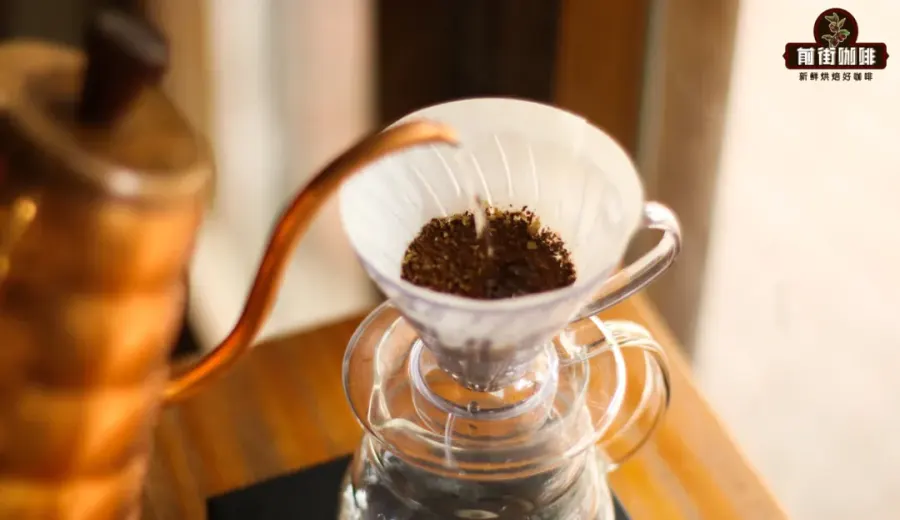
Introduction:The coffee-to-water ratio in pour over brewing not only determines the strength of your brew but also significantly impacts overall extraction efficiency and flavor expression. This article delves into the scientific relationship between brew ratios, concentration, and extraction yield. Through empirical data, we break down the actual performance of common ratios from 1:10 to 1:20, and offer adjustment techniques along with common pitfalls to help you precisely master the ideal extraction range and brew coffee with rich layers of flavor.
In the world of pour over coffee, the coffee-to-water ratio might seem like just a simple game of numbers, but it is actually the key to controlling flavor. This ratio not only directly determines how strong or light your coffee tastes, but also influences the final balance of flavors by affecting brew time and the total amount of dissolved substances. Many coffee enthusiasts often mistakenly believe that “less water means stronger, more water means weaker” will yield their desired taste, yet they overlook the hidden variable of extraction yield. Experimental observations show that when only the coffee-to-water ratio is adjusted, the extraction yield also fluctuates significantly.
The so-called coffee-to-water ratio refers to the relative relationship between the weight of coffee grounds and the volume of water poured.A higher ratio number indicates less water used(for example, 1:10),while a lower ratio number means more water is used(for example, 1:20). This seemingly straightforward ratio setting actually influences multiple variables during the extraction process—including water flow rate, contact time, and the efficiency of solubles extraction—ultimately determining the overall performance of the beverage in your cup.
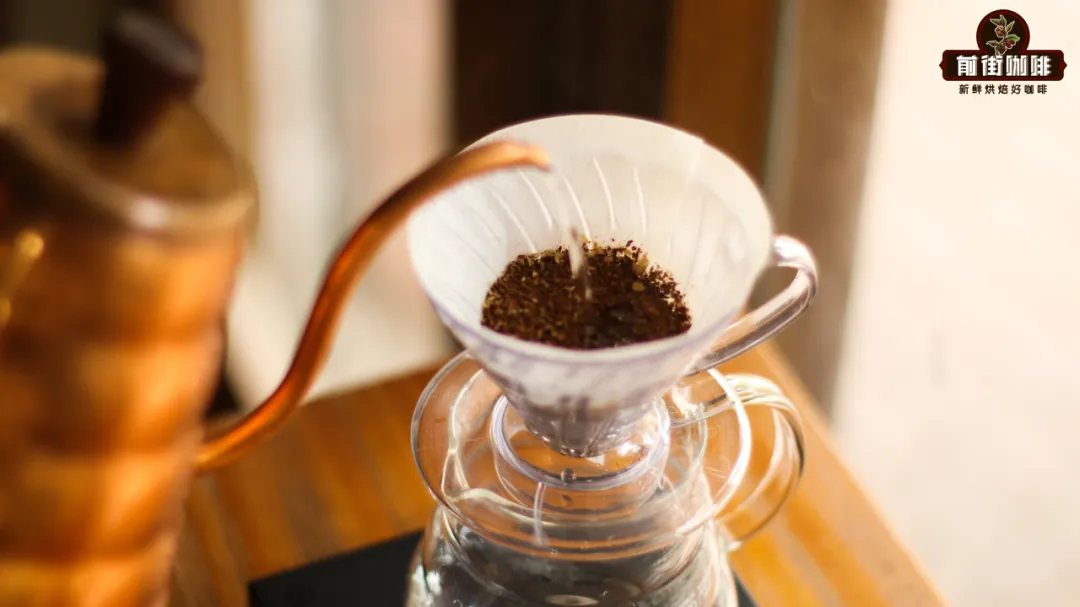
The impact of the coffee-to-water ratio on coffee flavor is primarily reflected through two key metrics: concentration and extraction yield. Concentration is defined as the proportion of soluble coffee substances dissolved in water relative to the total liquid volume. Assuming all other conditions remain constant,a 1:10 ratio yields a measured concentration of 1.93%,which is significantly higher than the 1.04% of a 1:20 ratio. This difference is directly reflected in taste perception—higher concentration coffee typically exhibits stronger flavor intensity and body.
However, simply adjusting strength by adding more or less water comes with clear risks. Experimental data shows that when the coffee-to-water ratio is adjusted from 1:10 to 1:20,the extraction yield gradually increases from 16.43% to 19.72%.This change occurs because a longer brew time allows hot water to dissolve more coffee components, but it can also lead to over-extraction flavors (such as paper-like or bitter notes). It's worth noting that the human palate generally perceives the optimal extraction yield range to be between 18% and 22%. Deviating too far from this range can easily cause the coffee to lose its intended balance.
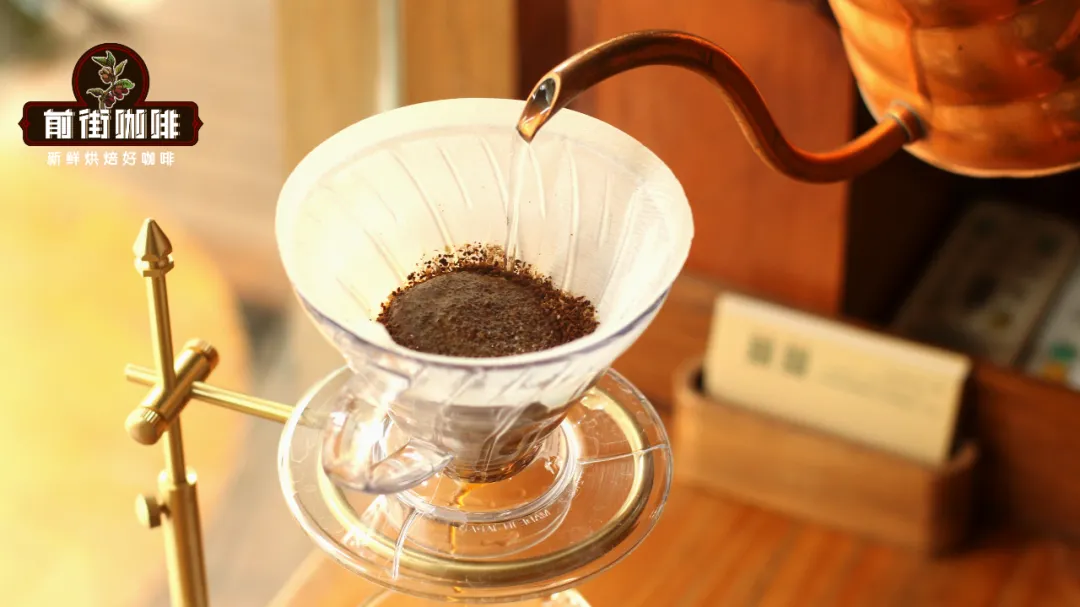
To find your personalized ideal coffee-to-water ratio, it’s recommended to start with the classic range of 1:15 to 1:18. This range maintains a moderate concentration (around 1.3%–1.5%) while ensuring stable extraction efficiency. In practice, you’ll need to simultaneously consider three major variables: first,the grind size must match the coffee-to-water ratio—finer grinds are suited for high-concentration, short-duration extractions, while coarser grinds require longer brew times; second, adjusting water temperature can compensate for concentration changes, with higher temperatures (92–94°C) helping to boost extraction yield; finally, using a pulse pouring technique can improve extraction uniformity—center-pouring combined with a spiral expansion method is recommended.
Common adjustment mistakes include: over-pursuing high concentration leading to over-extracted bitterness, drastically increasing water volume for a lighter taste at the expense of flavor integrity, and neglecting the interdependent relationship between grind size and brew ratio. The professional recommendation is to adopt a “control variable method”—adjust only one parameter at a time (for example, keeping grind size and water temperature constant while only changing the coffee-to-water ratio), and record each brew’s parameter combination along with taste feedback, gradually establishing your personal optimal extraction curve.
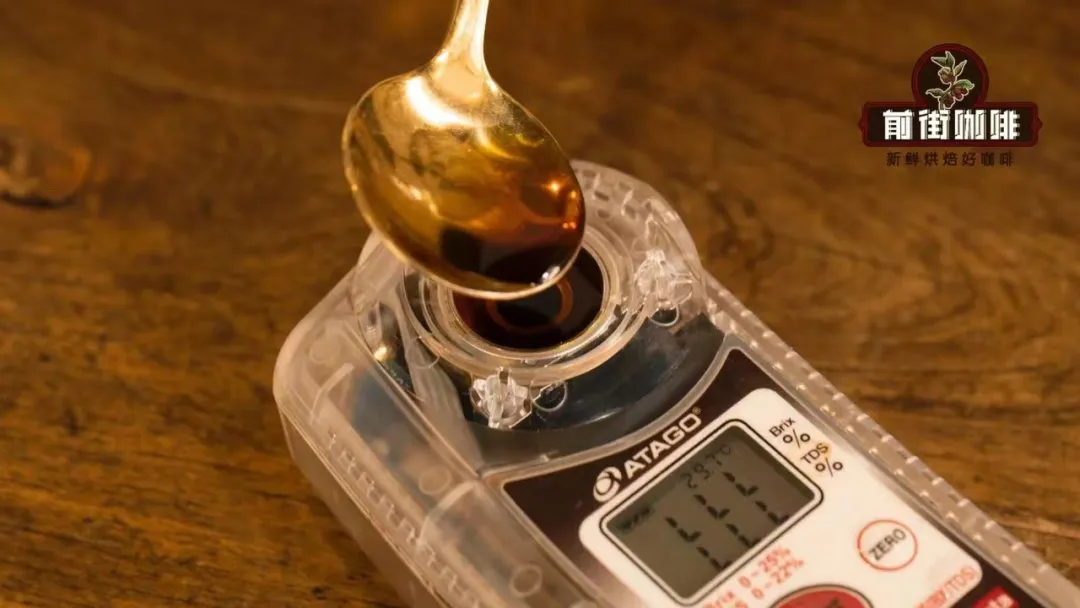
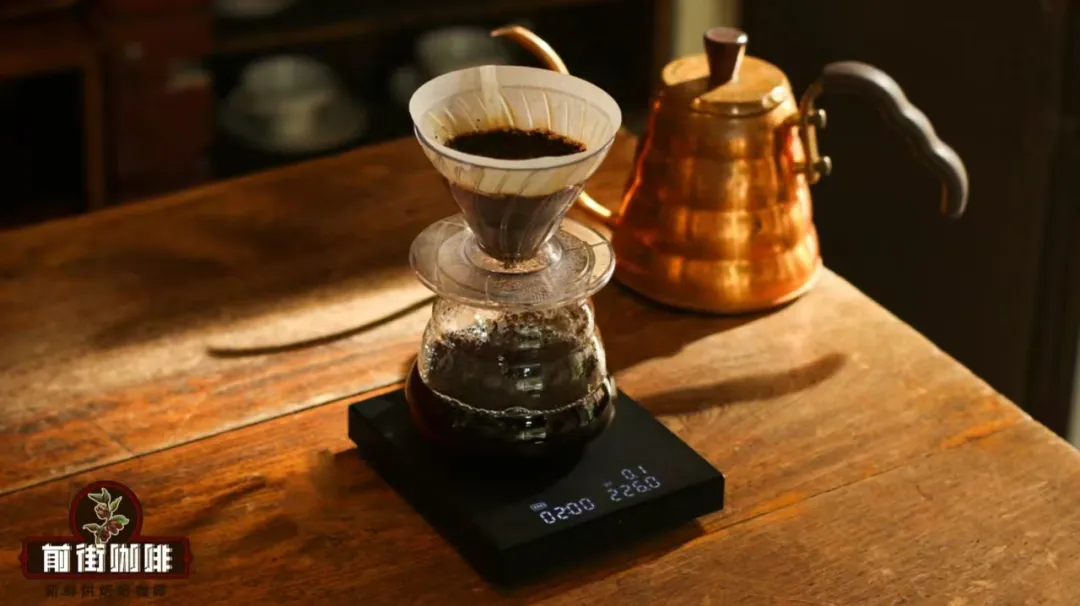
Useful extension tip: Use an electronic scale to accurately measure coffee grounds (suggested single serving: 15–20 grams) and water volume, and pair with a refractometer or TDS meter to verify the data, which can greatly improve adjustment accuracy. For beginners, mastering the golden ratio of 1:16 is a good start—this widely validated figure usually produces a balanced concentration (around 1.35%) and extraction yield (about 18.5%), making it an ideal foundation for exploring other variables. Remember, there’s no absolute answer to the ideal coffee-to-water ratio—the key lies in understanding the interplay among all the parameters involved.
The above content is compiled by CoffeeHunters, a coffee news website.


