








Introduction:Many coffee enthusiasts often come across flavor descriptions such as "tropical fruit notes" when tasting pour over coffee, yet they may not fully understand the reasons behind these profiles. This article delves into the origins of tropical fruit aromas, explores which chemical compounds in coffee beans contribute to fruity notes, and through practical cupping experiences, introduces you to common coffee varieties that exhibit mango, passion fruit, or pineapple flavors. It also explains extraction tips for subtler fruits like papaya and lychee, helping you more accurately identify and enjoy these flavor profiles.
Have you ever seen a “tropical fruit aroma” label on a coffee bag but weren’t quite sure what it actually meant? Why does coffee — a seemingly ordinary beverage — emit the vivid scents of tropical fruits like mango, passion fruit, or pineapple? In fact, this involves the natural aromatic compounds found in green coffee beans and the complex chemical reactions that occur during the roasting process. This article will start with the definition and characteristics of tropical fruits, analyze how these aromas manifest in coffee, and through cupping observations, introduce several common coffee beans known for their tropical fruit notes. It will also explain why more subtle fruit flavors like papaya and lychee are harder to detect, and under what circumstances they are generalized under the term “tropical fruit.”
Some coffee lovers have asked this question: “When a coffee bag says ‘tropical fruit aroma,’ what exactly does it mean? If there really is a specific fruit flavor, why not just state it directly instead of using such a vague term?” This is indeed a common confusion among many beginners in the world of pour over coffee. To unravel this mystery, we first need to start with the definition of “tropical fruit.”
Definition and Aroma Characteristics of Tropical Fruits
As the name suggests, tropical fruits are those primarily grown in tropical regions, generally located between the Tropic of Cancer and the Tropic of Capricorn, including areas in China such as Yunnan, Hainan, and Guangdong. These regions, characterized by high temperatures, abundant humidity, strong sunlight, and indistinct seasonal boundaries, allow fruits to accumulate rich sugars and aromatic compounds. Common tropical fruits in Guangdong include mango, pineapple (also called ananas), jackfruit, lychee, coconut, passion fruit, banana, star fruit, papaya, and guava. When ripe, these fruits often emit intense and distinctive aromas—some honey-sweet, others juicy and bright—that can evoke pleasure just from their scent. This is precisely why these profiles are so vividly described in flavor notes.

Why Does Coffee Exhibit Tropical Fruit Flavors?
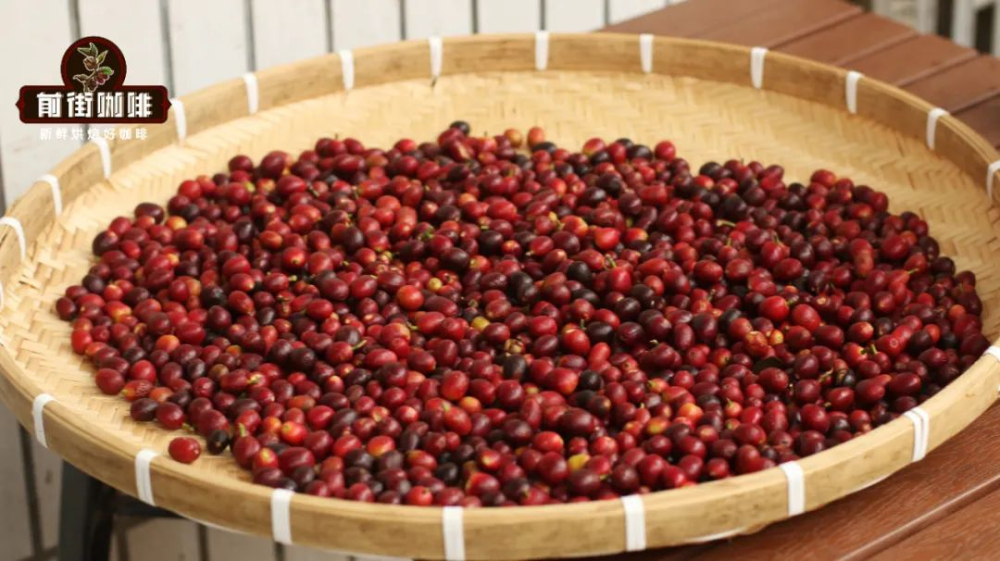
While we often say “coffee is a fruit,” this refers to the fact that coffee beans come from the seeds of the coffee cherry, which is itself a type of tropical fruit. However, if you personally pick a perfectly ripe coffee cherry and taste its flesh, it’s actually hard to connect it with the fruit notes often described on coffee bags. This is because the usable part of coffee is the seed—the bean we all know—not the fruit pulp. The source of the aroma mainly comes from various volatile organic compounds in the green beans, such as esters, ketones, alcohols, fatty acids, terpenes, and amino acids. These are all key molecules that contribute to fruity aromas and are already stably present in the raw bean state.
What truly transforms these compounds into the aromas we can smell and taste lies in the roasting stage. As heating progresses, Maillard reactions and caramelization unfold, causing the compounds in the green beans to break down and recombine, producing a wealth of volatile aromatic molecules. When the concentration of these molecules reaches a certain level, they present as either bold, soft, or sweet fruit notes, evoking our memories and associations with tropical fruits.
Which Tropical Fruit Flavors Are Commonly Found in Pour Over Coffee?
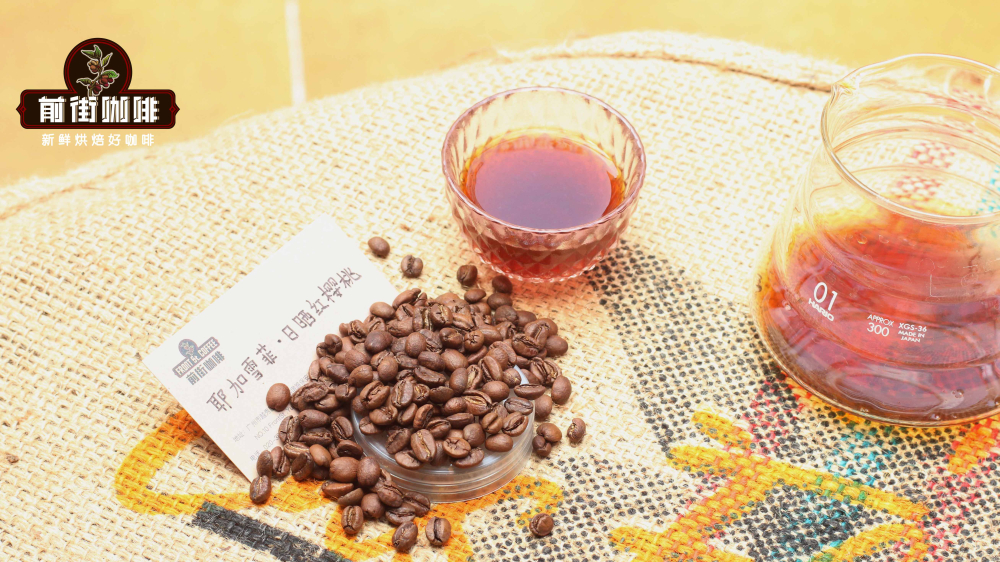
Based on actual cupping experience, some tropical fruit flavors are more likely to be independently and distinctly perceived in coffee, such as passion fruit, mango, pineapple (ananas), guava, and jackfruit. These fruits have distinct aroma profiles and are commonly found in many high-altitude naturally processed coffees from Africa or Central and South America. For instance, certain batches from Ethiopia’s Sidamo region can clearly express rich, ripe mango aromas; Colombian natural-processed beans, such as Sidra or Maragogype varieties, often release layered passion fruit notes upon grinding; some Costa Rican coffees exhibit pronounced pineapple and raisin-like flavor tones, leaving a memorable impression.

In contrast, fruits like papaya, star fruit, and lychee, although also possessing unique scents, tend to have lighter, more delicate flavors. When coexisting with darker roast notes such as chocolate, nuts, or caramel, they are often less easily distinguishable, hence appearing less frequently in flavor descriptions.
When Is “Tropical Fruit” Used as a General Description?
When a cup of coffee presents a warm, vibrant, and distinctly fruity profile, but we cannot pinpoint a specific tropical fruit, the industry often uses the general term “tropical fruit” to describe the overall flavor profile. For example, some specialty beans with complex aromas, such as Huila Huimbi or Elida Natural, may blend multiple elements of tropical fruits, making them difficult to classify under a single type. In such cases, describing them as having “tropical fruit aroma” better captures the overall drinking experience.
In summary, the presence of tropical fruit flavors in coffee is the result of both natural and craftsmanship factors. From the aromatic compounds in green beans, to the chemical reactions during roasting, to the final extraction and flavor expression, each step influences whether we can clearly capture these captivating fruity notes. If you enjoy experiencing a vibrant tropical vibe in your pour over coffee, consider starting with the aforementioned common coffee varieties, and pay attention to water temperature, grind size, and brewing techniques to fully highlight these nuanced fruit characteristics.
The above content is compiled by CoffeeHunters, a coffee news website.


