







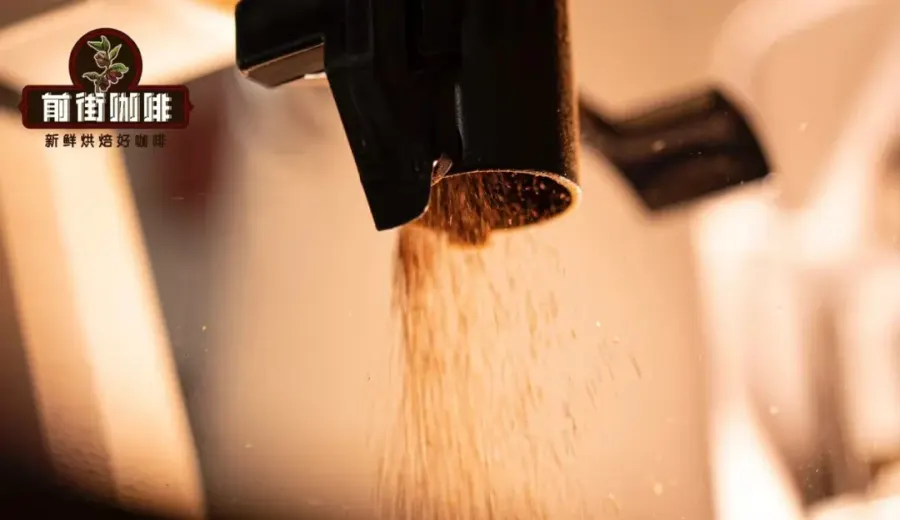
Introduction:Grind size is the foremost factor influencing coffee extraction flavor, yet its critical role is often overlooked. This article delves into how grind size affects the contact efficiency between water and coffee grounds, and provides clear grind range recommendations for both pour over and espresso machines. By understanding the relationship between surface area and extraction speed, you can adjust to the most suitable grind size, avoid over-extraction or under-extraction, and elevate coffee quality.
Among the various parameters affecting coffee extraction, grind size is often the most crucial. Once coffee beans are ground, their total surface area expands to approximately one thousand times the original, a change that directly determines the efficiency of flavor compound release. The finer the grind, the quicker water can reach the core of the particles, accelerating extraction; conversely, a coarser grind lengthens the water’s penetration path, slowing down the process. This physical characteristic means different brewing methods must be paired with specific grind sizes to achieve optimal flavor expression.
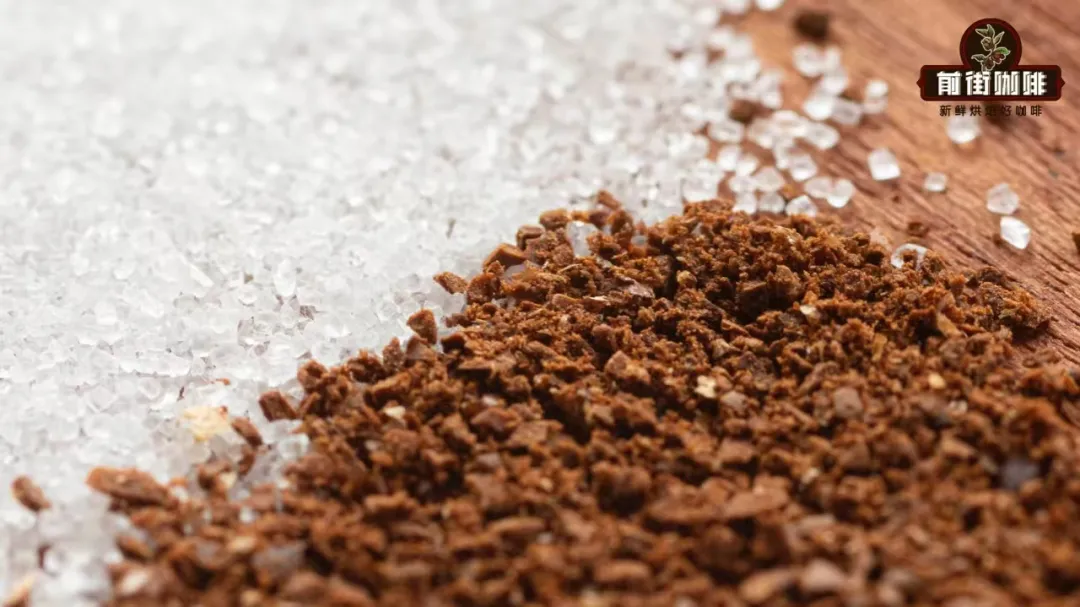
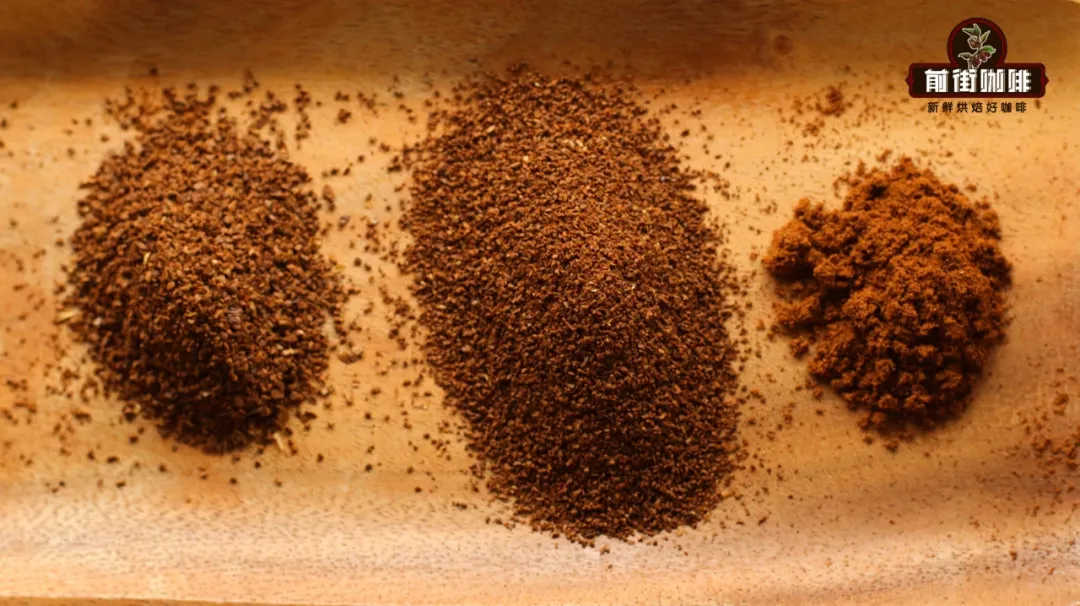
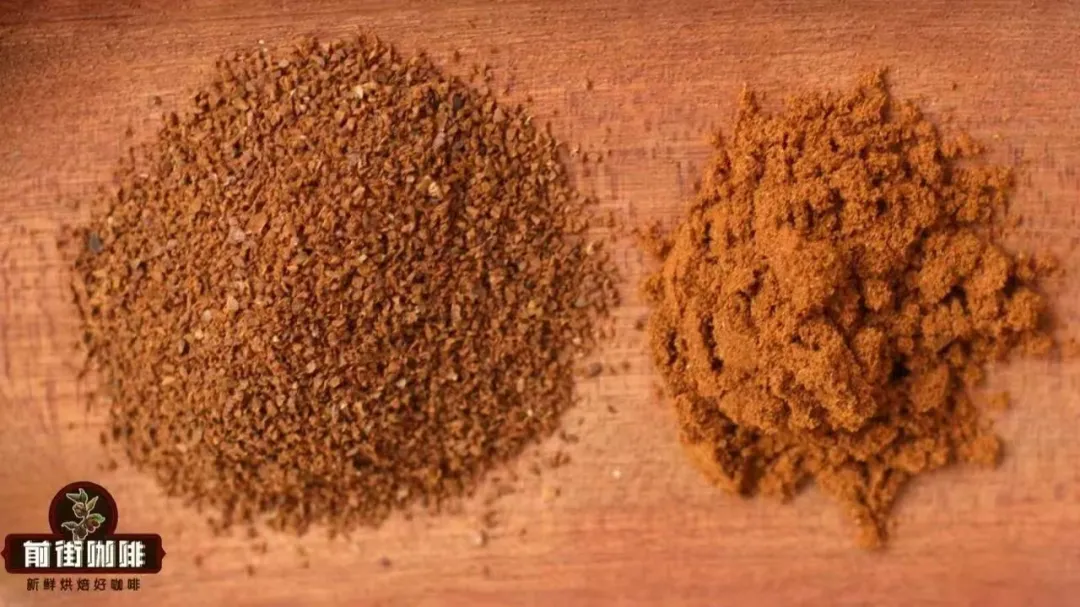
It’s worth noting that due to differences in grinder models, burr designs, and coffee bean origins, grind size standards are not absolute. The industry usually refers to common everyday particle textures for reference—such as coarse sugar, fine sugar, or the fineness of flour. Though these descriptions aren’t precise, they help brewers quickly gauge the general range and then fine-tune based on actual extraction results.
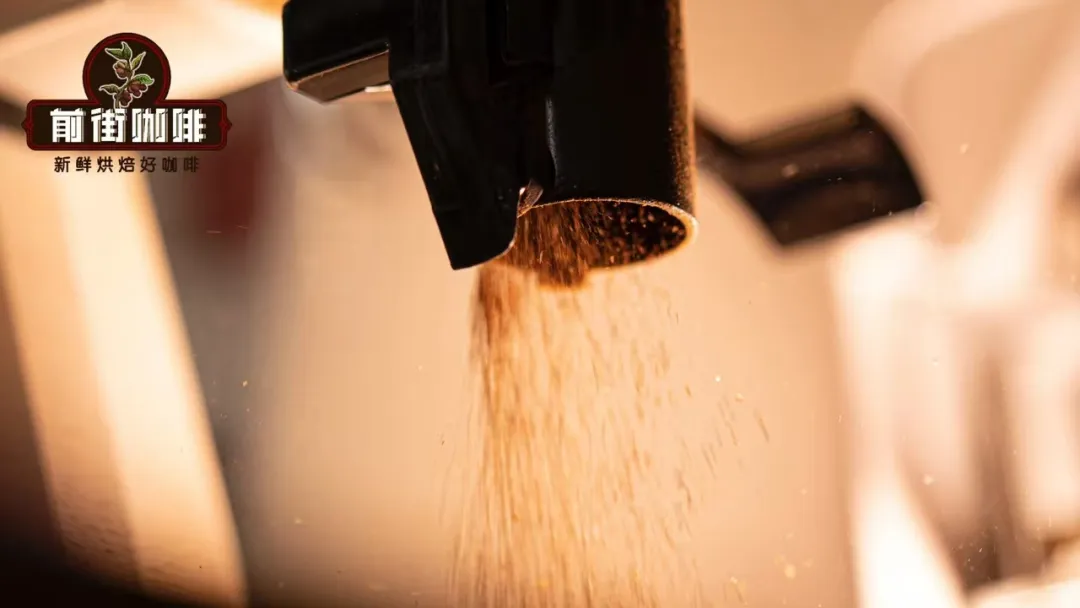
Delving deeper into the mechanics of grind size impact, it becomes clear there is a direct correlation between surface area and extraction time. When coffee particles are smaller, the contact area between water and grounds significantly increases, and the pathway for water to penetrate the core shortens. This allows hot water to more rapidly dissolve acids, sweetness, and aromatic compounds. Conversely, a coarser grind, while preserving more body, may lead to under-extraction, making the coffee flavor seem thin. Therefore, selecting the correct grind size is the first step in balancing extraction.
For pour over coffee, the recommended grind range typically falls between fine sugar and white sugar, depending on the filter design and brewing technique. For instance, when using a V60 filter, a medium-fine grind helps improve extraction evenness and avoid channeling. A French press, however, requires a noticeably coarser grind, close to the texture of sea salt, to prevent over-extraction and bitterness. In practice, adjustments can be made by observing drip speed and flavor performance.
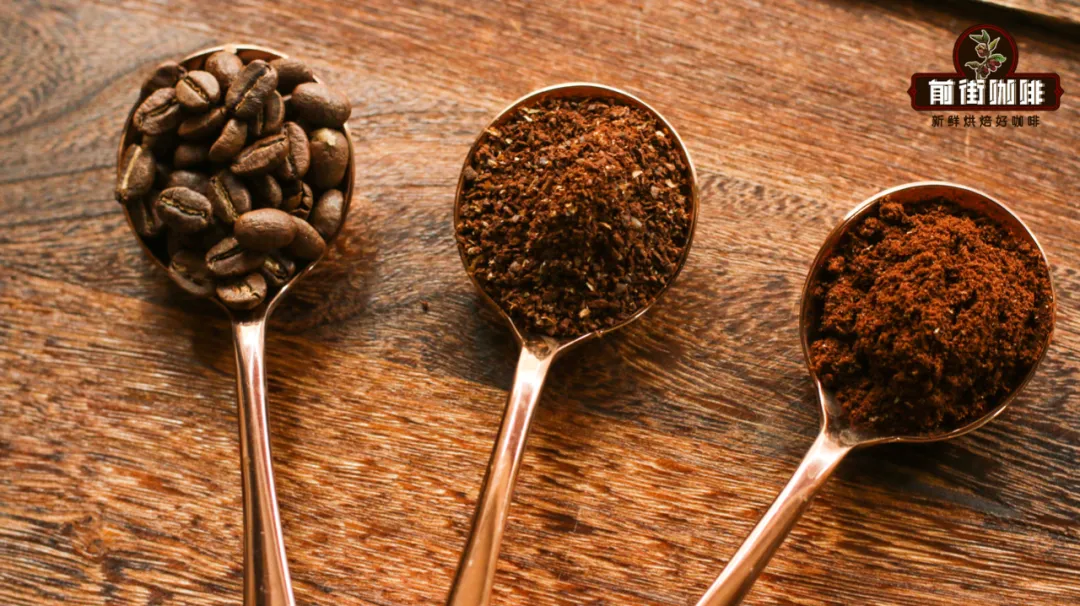
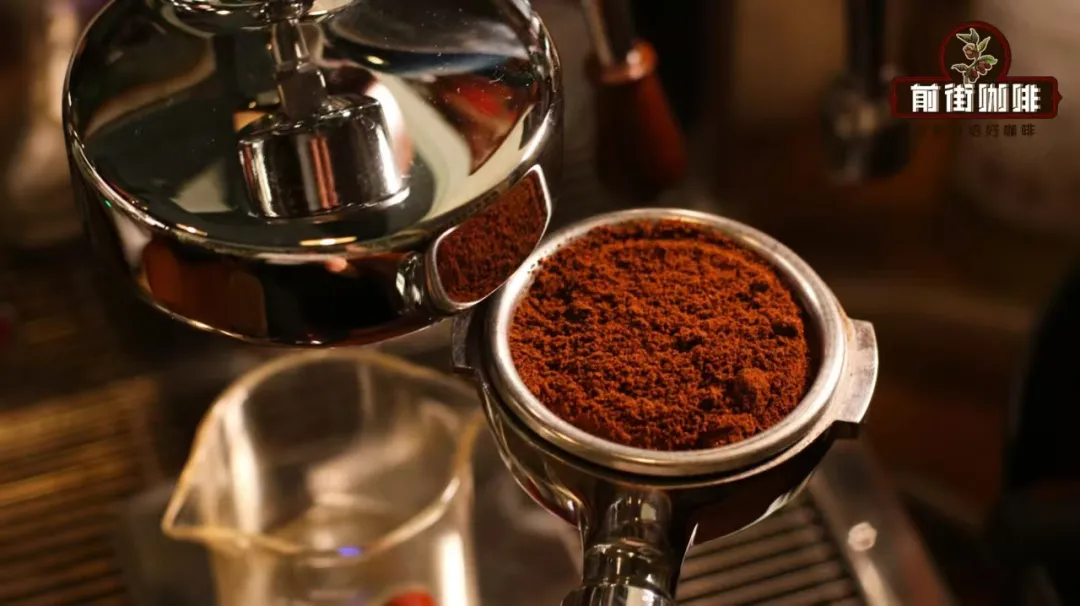
Espresso machines, on the other hand, have vastly different requirements, needing an extremely fine grind to handle high-pressure extraction. The ideal espresso grind should approach the fineness of flour, ensuring the coffee puck can withstand 9Bar of pressure and extract a shot within 25–30 seconds. Too coarse a grind leads to fast water flow and under-extraction; too fine may cause channeling, over-extracting some particles. It’s recommended to use a professional espresso grinder and regularly calibrate grind size to maintain consistency.
Notably, coffee bean freshness and roast level also affect the choice of optimal grind size. Lighter roasts usually require a slightly finer grind to fully express acidity and aroma, while darker roasts can tolerate a slightly coarser grind to reduce bitterness. Additionally, changes in ambient humidity and temperature may cause subtle variations in grind size, so it’s advisable to check the particle condition before each brew and flexibly adjust based on actual extraction outcomes.
In practice, establishing your own personal grind size reference system is crucial. You can start with a medium grind and gradually fine-tune the coarseness or fineness while observing flavor changes. It’s recommended to record each adjustment’s parameters and results—including grind setting, brew time, and flavor descriptions—which will help quickly identify the settings best suited to your taste. Also, regularly clean the grinder burrs and hopper to avoid old coffee residue affecting the performance of freshly ground coffee.
For beginners, understanding the connection between grind size and extraction parameters requires patient experimentation. It’s recommended to start with a standardized process—keeping variables such as water temperature, brew ratio, and brew time constant—and only adjust the grind size to observe differences. Through systematic comparison, you can more clearly grasp how different grind sizes affect the flavor profile, gradually building up your own coffee brewing knowledge base.
In summary, grind size is the key bridge connecting the potential of coffee beans to the final flavor. Whether you choose pour over or espresso extraction, understanding its scientific principles and combining them with hands-on experience can significantly enhance your coffee drinking experience. Remember, the best grind size is always the one that allows the coffee to showcase its unique flavor characteristics—not a single standard answer.
Through continuous experimentation and observation, every coffee enthusiast can find their own ideal grind range. Starting from the basics of distinguishing grind coarseness, and gradually exploring the interactions among different variables, this journey will bring more surprises and discoveries. Ultimately, grind size is not just a technical parameter, but an important key to appreciating the diversity of coffee.
The above content is compiled by CoffeeHunters, a coffee news website.


