








Introduction:To celebrate its seventh anniversary, ChaBaQi launched a promotion offering 700,000 free drinks, including a "sing to get a free drink" option that attracted many customers due to its low threshold. However, during the second round of the event, numerous patrons discovered that stores were requiring video or photo recordings — a requirement not clearly communicated in advance. This has raised public concerns about personal data security. Why does the official policy ask for filming? How should consumers’ privacy rights be protected? This article takes you through the full story and related precautions.
To commemorate its seventh brand anniversary, ChaBaQi specially organized a seven-day free drink event, giving away a total of 700,000 complimentary beverages. The campaign included various participation methods, such as AR clinking glasses, entering a promo code to receive a coupon, and singing the birthday song for a free drink. Among these, the "sing to get a free drink" option became the top choice for many customers — especially so-called “deal hunters” — because it was simple to execute, requiring only that participants sing the birthday song to the staff to receive a free drink.
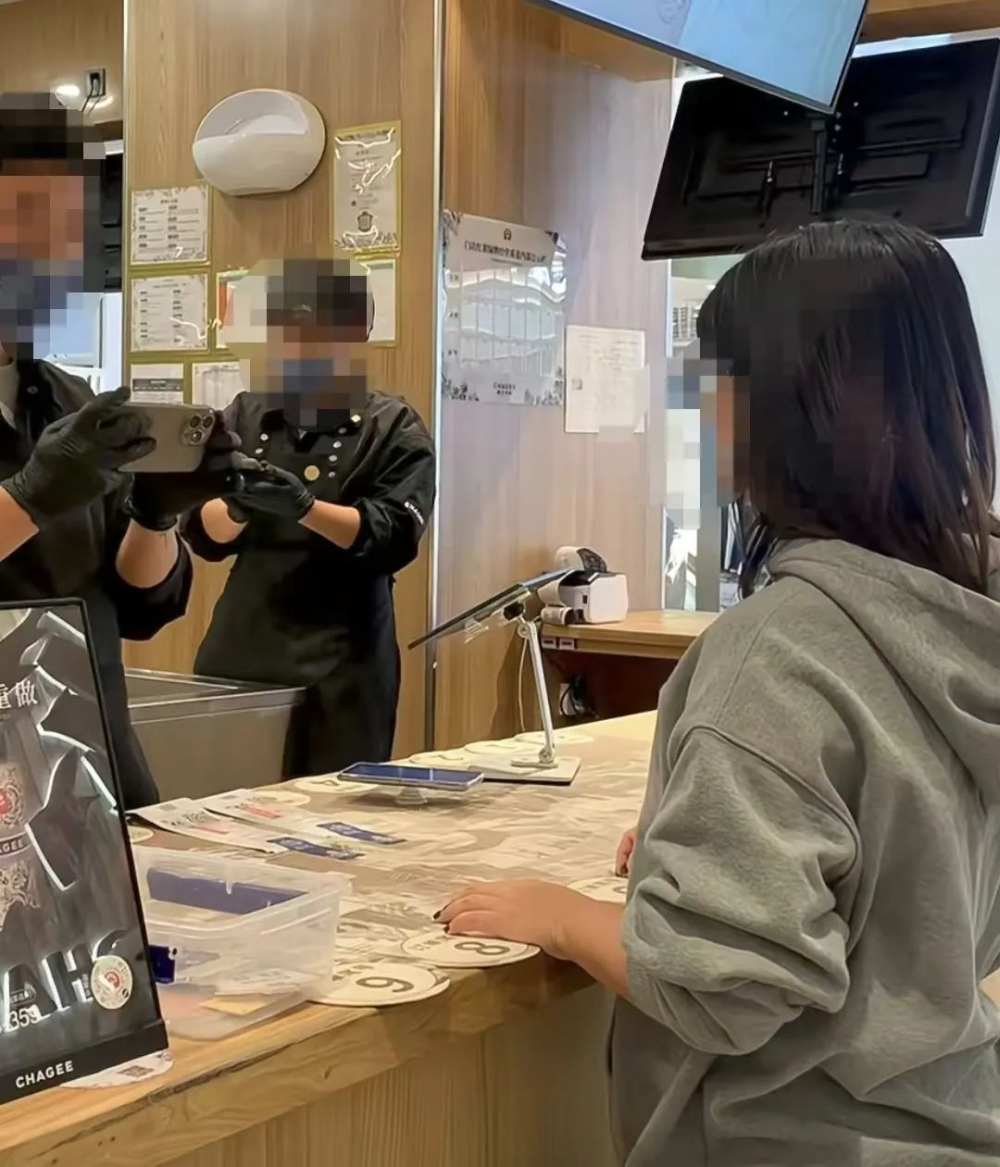
However, after the first round ended, some customers reported missing out due to time constraints. When the official second round of the singing promotion was launched, many decided to try again. But this time, the participation requirements seemed to have quietly increased: some stores required duets and clinking glasses, others stated the event wasn’t available at all, and some even mandated purchasing two drinks to qualify. Moreover, what surprised many customers was that multiple outlets demanded full video or photo documentation of the entire process, something not mentioned in the official promotions.

According to feedback from several customers, they only learned about being filmed when they were already participating in the event, with the filming covering the entire singing performance, including full-face shots. Because the first round hadn’t included such a requirement, many were completely unaware beforehand, leading to discomfort over the potential retention of their images. When some netizens inquired with official customer service, the response they received was, "The purpose of the event is to film." Additionally, an insider revealed that management explicitly instructed staff to take photos or videos of every participant in the singing promotion to ensure each free drink voucher was clearly linked to an identifiable recipient.
The industry generally believes this move may be aimed at preventing ticket scalpers from using technical means to bulk-grab vouchers and then illegally resell them through staff. Nevertheless, many customers remain dissatisfied with this practice, especially regarding the use of their personal image data. There are widespread concerns that these videos or photos could be shared on public platforms without consent, or even maliciously edited or leaked.
Under public pressure, some store staff stated that in practice, they try to avoid filming customers’ faces or suggest that participants wear masks during recording. They also emphasized that any recorded content would only be uploaded to internal work groups for management review, and would not be disseminated or used for other purposes. However, whether such explanations can truly alleviate consumer concerns remains to be seen.
This incident highlights that, aside from considering campaign effectiveness and anti-fraud mechanisms, businesses should also place greater emphasis on consumers’ right to know and the protection of personal data when launching promotional activities. For consumers, it is advisable to inquire about the event rules and filming requirements in advance, and if necessary, opt out of segments involving personal image recording to safeguard one’s own rights.
As we enter the digital era, the protection of personal privacy has become an increasingly critical concern for consumers. When designing marketing campaigns, businesses should adopt greater transparency and openness, and respect each customer’s right to choose. The controversy sparked by ChaBaQi also serves as a reminder to the broader beverage industry: promotional events should not only be eye-catching but must also demonstrate respect and protection for consumers in their execution details.
The above content is compiled by CoffeeHunters, a coffee news website.


