







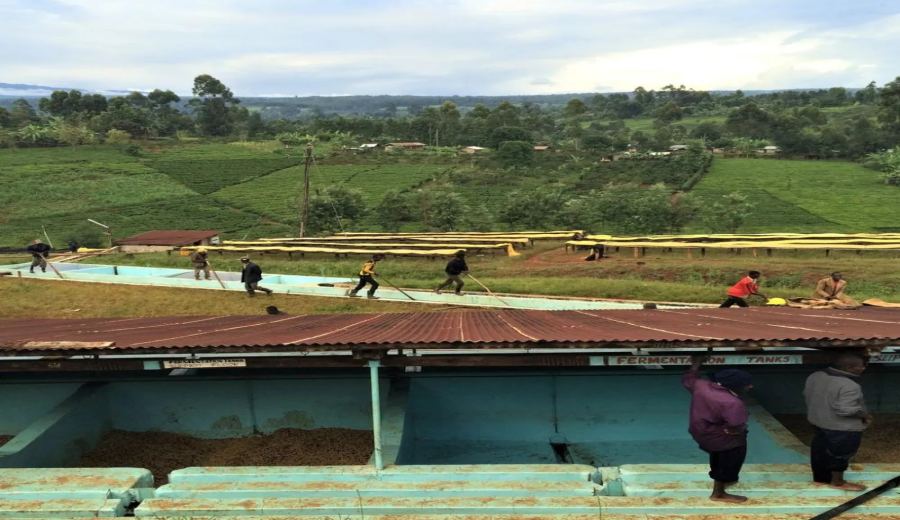
Introduction:Kenyan coffee is renowned for its distinctive plum and cherry tomato acidity alongside juicy sweetness. The key lies in the combination of SL28 and SL34 varieties with the K72 washed processing method. This article delves into the differences between the K72 and conventional washed processes—from fermentation duration, step-by-step procedures to cost details—and introduces the classic beans from the Assalia Factory in the Thika region, helping you master the brewing essentials and flavor profile of this premium specialty bean.
Kenyan coffee holds a prominent place in the global specialty market, and its most defining characteristic is that bright acidity reminiscent of plum and cherry tomatoes, paired with the sweet taste of freshly squeezed juice. This unique flavor profile stems not only from the region’s exceptional geography and climate but also from the cultivation of the SL28 and SL34 varieties, along with the iconic K72 washed process. This article will start with the basics of conventional washed processing, then gradually break down the evolution, processing differences, and key variations in fermentation time, steps, and cost inputs between K72 and standard washed methods. We’ll also introduce the SL28 and SL34 beans produced by the Assalia Factory in Kenya’s Thika region, giving you a comprehensive understanding of Kenyan coffee from origin to cup.
Though both located in East Africa, Kenya and neighboring Ethiopia are both major coffee-producing regions, yet the coffees they produce showcase distinctly different flavor profiles. Ethiopian coffee often features floral notes, bright citrus acidity, and a tea-like body, while Kenyan coffee is distinguished by its more vivid and lively plum and cherry tomato acidity, accompanied by rich juicy sweetness. This flavor distinction is influenced not just by variety, but also significantly by the processing method.
The reason Kenyan coffee can deliver such unique flavors lies not only in the high-altitude environment and large diurnal temperature variations ideal for coffee growing, but also in the local cultivation of the SL28 and SL34 varieties. These two varieties are particularly sensitive in expressing acidity, and when paired with Kenya’s signature K72 washed process, the coffee retains clear acidity while also showcasing delicate sweetness and a clean mouthfeel. However, many may wonder—what exactly is the K72 washed process? How does it fundamentally differ from the regular washed process we often hear about?
In fact, Kenya initially also employed the conventional wet processing method, commonly known as washed processing. In this traditional workflow, after harvesting, coffee cherries first go through water floatation to remove unripe or already rotten fruits, ensuring that only quality beans proceed to the next stage. Next, the outer skin and pulp are removed, leaving the beans coated with mucilage and silver skin. This is when fermentation begins. The fermentation period typically lasts between 18 to 36 hours, primarily allowing microbes to break down the mucilage layer so the beans can be more easily cleaned and dried afterward.
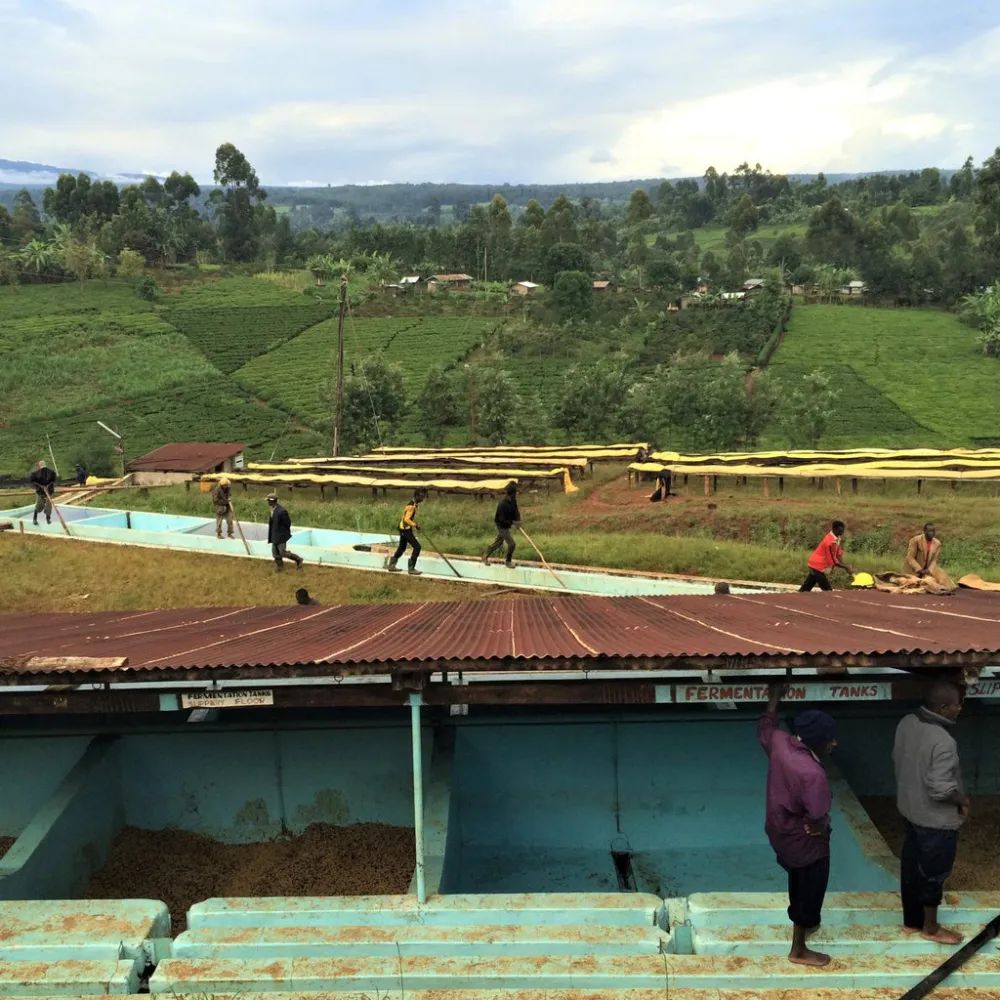
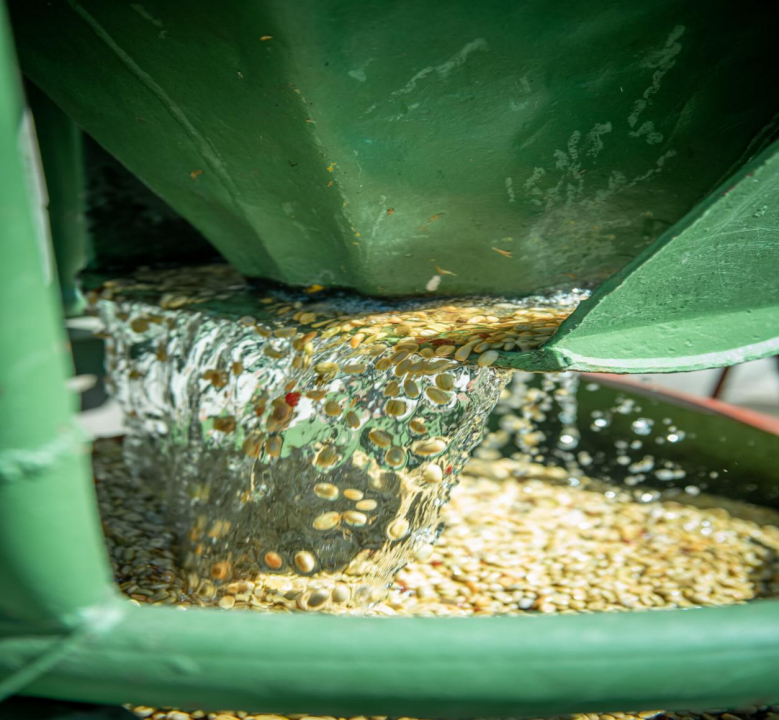
After fermentation, since residual fermentation byproducts and mucilage may still cling to the bean surface, a thorough rinse with large amounts of clean water is required. Once cleaned, the beans are either mechanically dried or sun-dried to reduce moisture content to a safe range of 10% to 14%. Finally, a hulling machine removes the parchment and silver skin, completing the washed process. However, in Kenya, where most coffee is grown by smallholders and centralized at cooperatives or processing factories, this standardized approach faces some practical challenges.
One of the biggest issues lies in the drying stage. Typically, after mucilage removal, coffee beans need 5 to 7 days of sun drying. But in the past, due to limited processing facilities in Kenya, during peak harvest seasons, cleaned beans often couldn’t be dried immediately. To prevent over-fermentation or spoilage of wet beans, factories would temporarily re-soak them in water tanks, waiting until drying equipment became available before moving them back out to dry. This practice of re-soaking washed beans a second time is called “double washing,” and it formed the early prototype of what later became known as the “Kenyan-style washed process.” Ironically, this seemingly makeshift solution unexpectedly contributed to a richer layered acidity and fruitiness in the coffee.
Over time, Kenya’s coffee processing techniques evolved, and the original double washing method gradually transformed into a more systematic workflow, eventually developing into the now world-renowned K72 washed process. As the name suggests, K72 extends the fermentation time to a total of 72 hours—that’s its most notable difference from the conventional washed method. The initial steps of K72 are largely similar to regular washed processing: floatation, pulping, and initial mucilage removal. But the fermentation phase is where things diverge significantly. K72 divides fermentation into three stages, each lasting 24 hours, totaling 72 hours. Specifically, the first stage is a 24-hour washed fermentation, followed by a wash to remove initial mucilage. Then, fresh water is used for a second 24-hour fermentation, another wash, and finally a third 24-hour fermentation in fresh water to ensure complete breakdown of mucilage and impurities, after which washing and drying take place.
In contrast, conventional washed processing usually limits fermentation to a maximum of 36 hours, often with just a single fermentation stage. K72, through three repeated rounds of fermentation and washing, not only extends the overall processing time but also results in more pronounced and layered acidity, along with a finer mouthfeel and cleaner aftertaste. However, this method has its drawbacks—namely, extremely high water consumption and the need to frequently replace clean water to avoid off-flavors during fermentation, making its overall cost significantly higher than standard washed processing. But precisely because K72 delivers such unique and high-quality flavor characteristics, many Kenyan processing factories continue to adhere to this technique.
Today, many well-known Kenyan coffees—such as those from the SL28 and SL34 varieties at the Assalia Factory in the Thika region—are processed using the K72 washed method. These beans often showcase bright cherry tomato and plum acidity, with a naturally juicy sweetness reminiscent of fresh-squeezed fruit, and a clean, refreshing mouthfeel, making them representative examples of specialty-grade beans cherished by many coffee enthusiasts. If you enjoy coffee with bright acidity, rich layers, and a juicy character, Kenyan K72 washed beans are definitely worth a try.
The above content is compiled by CoffeeHunters, a coffee news website.


