







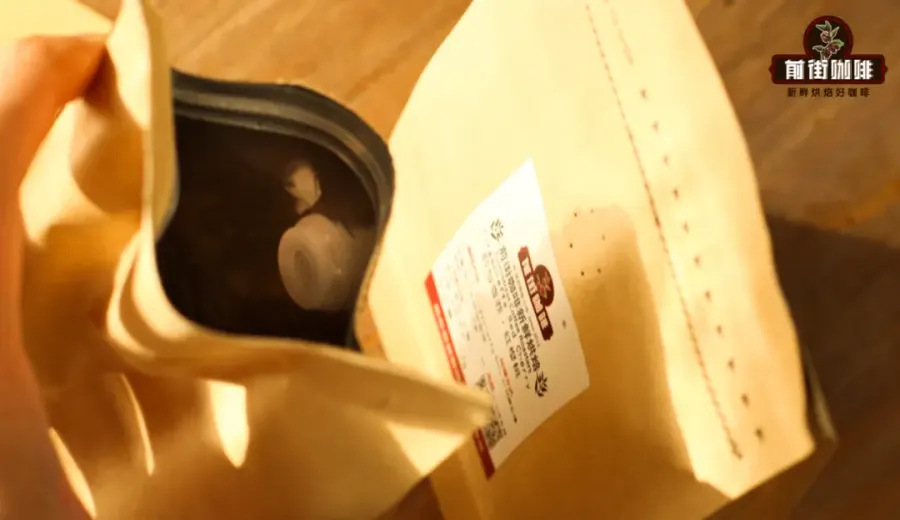
Introduction:The small holes on coffee packaging bags are not just for releasing aroma—they are a key design feature for maintaining coffee freshness. A one-way degassing valve effectively releases carbon dioxide produced during roasting, preventing the bag from bursting, while also minimizing oxygen exposure to slow down oxidation. This article delves into how it works, compares the characteristics of different materials, and explains the relationship between roast level and gas release, helping you store your coffee beans correctly.
Have you ever noticed that little hole on your coffee bag? This seemingly simple design is actually a carefully engineered “one-way degassing valve.” It not only allows you to smell the coffee aroma but, more importantly, prevents the packaging from exploding due to excessive internal pressure. Today, we’ll fully unpack the science behind this small device and show you how choosing the right packaging material can further enhance your coffee’s shelf life.
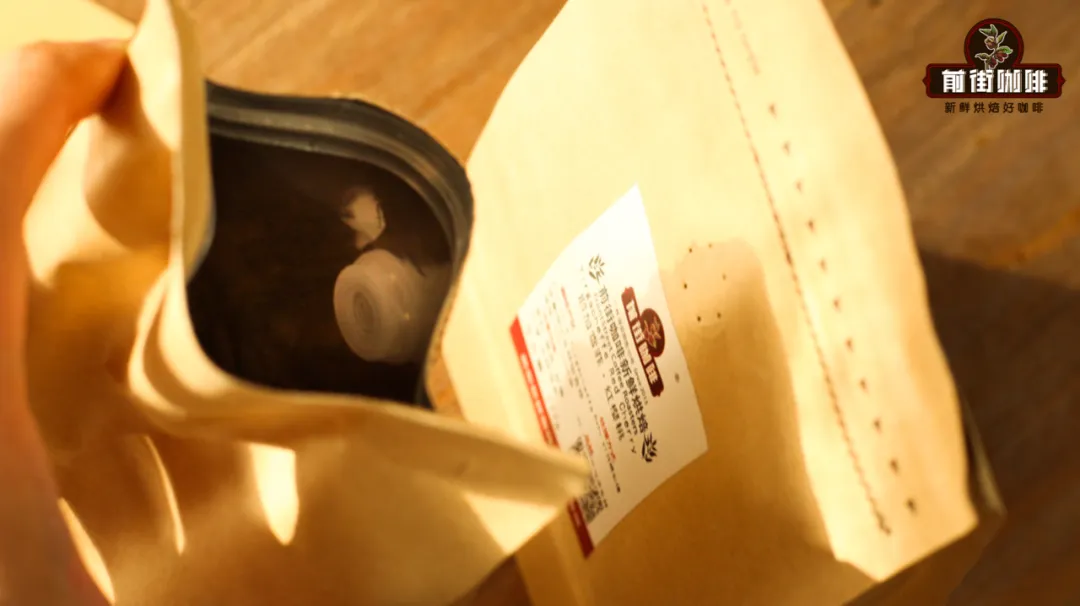
As the name suggests, a one-way degassing valve is a device that allows gas to flow in only one direction. Imagine it as a “one-way street” for cars—it only permits carbon dioxide to escape from inside the package while blocking outside oxygen from getting in. This clever design solves the dilemma of roasted coffee beans releasing large amounts of carbon dioxide while needing to stay shielded from oxygen.
Why do coffee beans need such a special device? The key lies in the chemical changes that occur during roasting. When coffee beans are roasted at high temperatures, they accumulate a significant amount of carbon dioxide inside. Especially within the first seven days after roasting, about 70% of the carbon dioxide is released. This release volume varies depending on the roast level. Generally speaking,dark roast beans release significantly more carbon dioxide than light roast beans, as shown in Figures and
 .
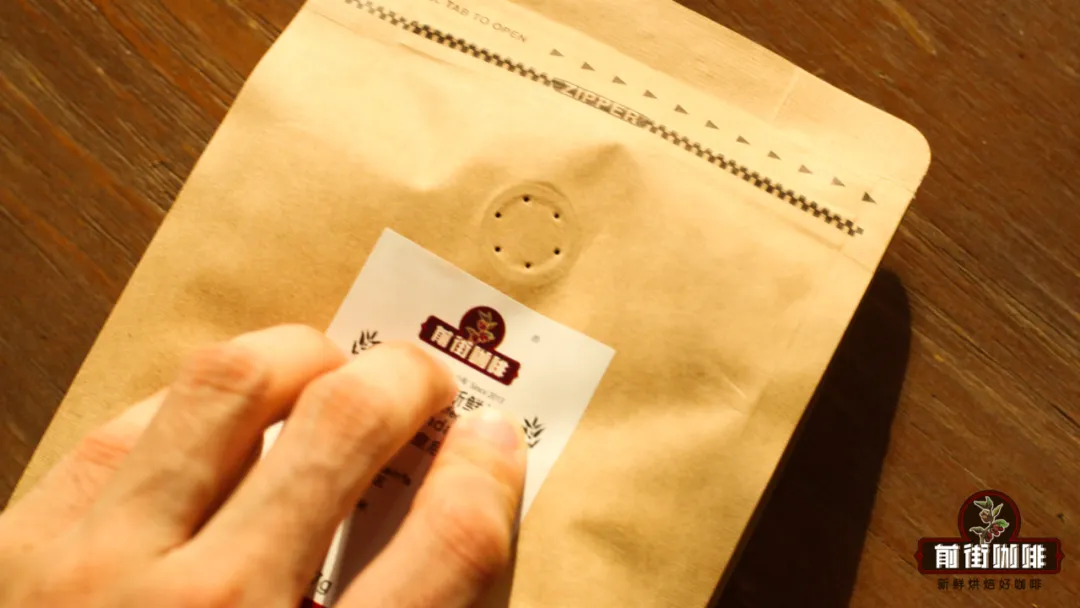
Although this small hole does allow some coffee aroma to escape, that’s not its primary function. In fact, without this degassing valve, the coffee bag could swell or even burst due to built-up internal pressure. More importantly, it helps maintain coffee freshness—by letting carbon dioxide out while minimizing the entry of oxygen, thereby slowing down the oxidation process that causes flavor loss.
It’s important to note that freshly roasted coffee beans must be sealed promptly after roasting. While the degassing valve addresses the pressure issue, aromatic compounds can quickly evaporate once exposed to oxygen in the air. It’s recommended to start using freshly roasted coffee beans within a week of purchase and to store any unused beans in a cool, dry place.
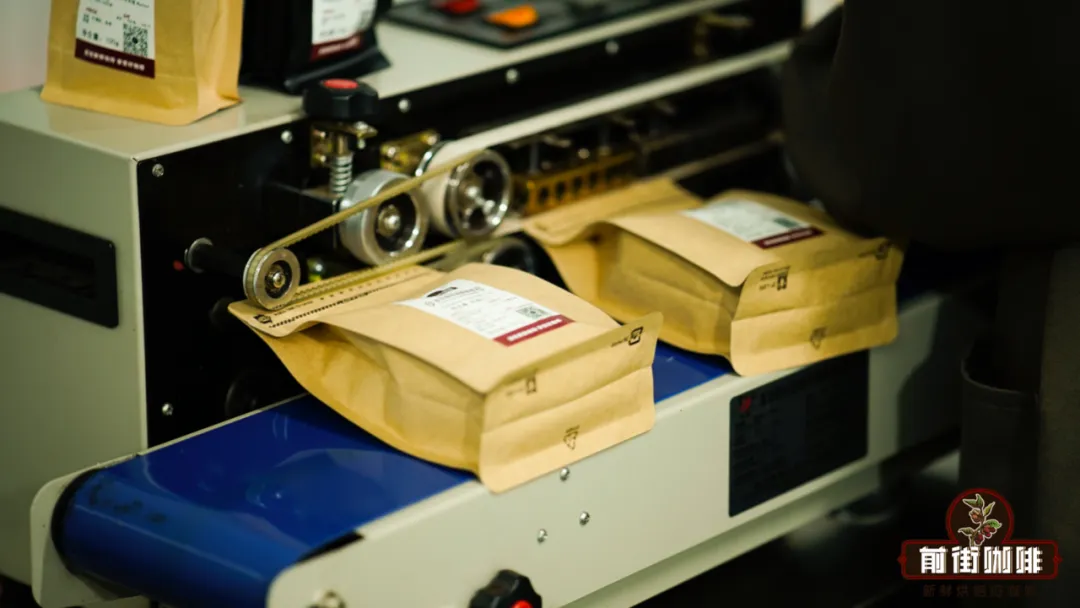
When it comes to packaging materials, common choices on the market include aluminum foil composite materials, PET/PE composite films, or kraft paper. Among these,aluminum foil composite material offers the best oxygen and moisture barrier properties, effectively extending the shelf life of coffee beans; PET/PE composite film is more economical and suitable for short-term storage; kraft paper packaging is often used to display information such as roast dates but has weaker moisture resistance. When selecting, it’s best to prioritize packaging that can be fully sealed and includes a one-way degassing valve.
The above content is compiled by CoffeeHunters, a coffee news website.


