







Introduction:A recent incident at a Blue Bottle Coffee outlet in Shanghai, where a customer used a dine-in glass cup to give water to their pet dog, has sparked discussions on hygiene boundaries in public dining spaces and pet-friendly policies. This article analyzes the division of responsibilities between businesses and customers in "human-dog cohabitation" spaces through the details of the incident and offers practical suggestions to help coffee shops establish better pet reception guidelines.
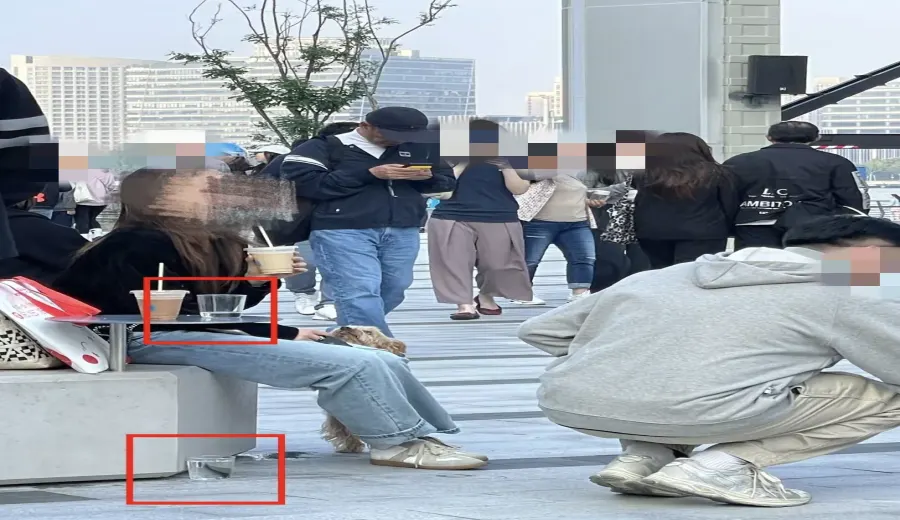
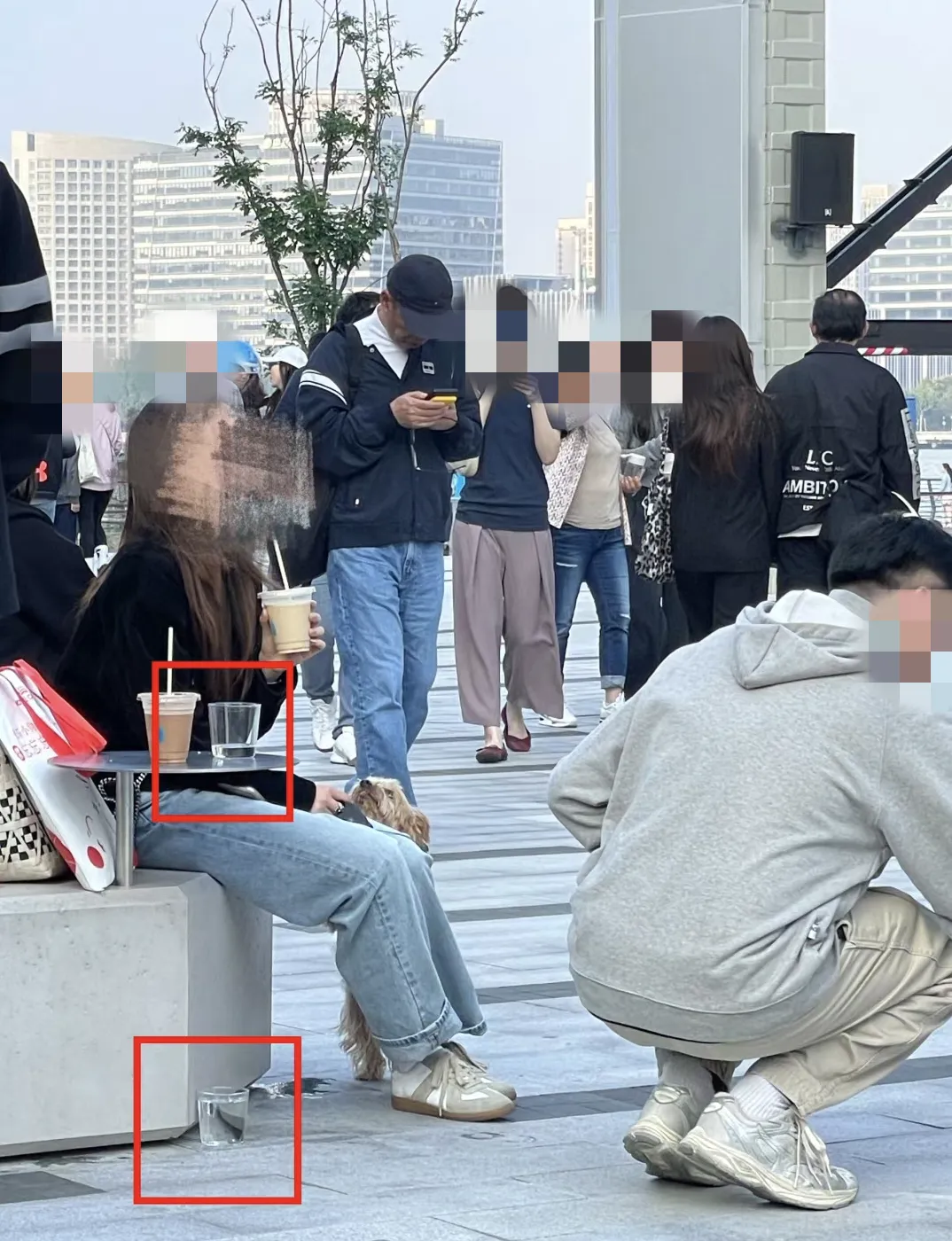
Recently, an unsettling scene unfolded at a Blue Bottle Coffee branch in Shanghai: a customer was seen picking up a glass cup intended for dine-in use, filling it with water, and placing it on the floor for their pet dog to drink from. Once the photo went viral on social media, it quickly ignited widespread discussion—not only highlighting the hygiene concerns of repurposing public utensils but also bringing to light the management challenges of "pet-friendly" spaces.
Footage from the scene shows a woman sitting in the outdoor seating area of the Blue Bottle Coffee outlet, holding a coffee drink in one hand while using the other to fill a glass cup—originally meant for customer use—with water and placing it next to a sofa by her feet for her pet dog to drink. Witnesses reported that the customer had taken two dine-in cups from the self-service area: one for herself and the other repurposed as her dog’s “exclusive drinking cup.”
Many netizens expressed discomfort, believing that even out of deep affection for pets, public utensils meant to maintain hygiene should not be used to feed animals.The glass cups provided by coffee shops are shared utensils for all customers, and when used for unintended purposes, they can not only affect the dining experience of other patrons but may also pose hygiene risks.
Pet owners who participated in the discussion also shared their own practices, emphasizing that no matter how much they love their furry companions, they would never let their pets directly touch cups from the café.The correct approach would be to ask the staff if disposable containers are available, or to bring along dedicated pet water bottles or foldable bowls, which cater to the pet's needs without compromising public hygiene.
After the incident, the staff at the Blue Bottle Coffee outlet promptly intervened. In addition to explaining the situation to the customer, they immediately collected and disposed of the used glass cup, and offered disposable utensils for pet use. Although the store responded appropriately, the incident reflects deeper issues faced by the growing number of cafés and dining venues that promote themselves as "pet-friendly"—specifically, how to define behavioral boundaries between humans and pets.
In recent years, as the presence of pets in dining venues has become increasingly common, similar controversies have emerged frequently. Some establishments have proactively addressed these issues by posting clear guidelines in visible areas, reminding customers to keep pets on leashes, restricting pet activity zones, or even setting up dedicated “pet resting areas” equipped with pet water bowls to minimize contact friction with other patrons.
For businesses aiming to create a genuinely pet-friendly environment,it is advisable to consider these factors from the planning stage of the business, including establishing clear rules for pet entry, designing zoned pathways, providing necessary facilities, and enhancing staff training to improve on-site responsiveness. For customers, practicing responsible pet ownership is not just a personal choice but also a matter of mutual respect in public spaces.
In conclusion, managing pet-friendly spaces requires balancing the needs of pet lovers with the hygiene and safety considerations of other customers. Only through clear regulations, effective communication, and mutual understanding can a harmonious cohabitation environment be created.
The above content is compiled by CoffeeHunters, a coffee news website.


