








Introduction:Luckin Coffee recently signed a historic procurement agreement with Brazil, committing to import 240,000 metric tons of Brazilian coffee beans over the next five years, totaling up to 10 billion RMB. However, Brazil’s coffee-growing regions are currently grappling with the dual challenges of drought and wildfires, putting downward pressure on the upcoming harvest’s output and driving up international futures prices. This article details the specifics of the deal, real-time developments in the producing regions, and how weather conditions may impact the future coffee supply chain and price trends.
During his participation in the G20 Summit in Brazil, Luckin Coffee officially signed a key Memorandum of Understanding with ApexBrasil (Brazilian Trade and Investment Promotion Agency), announcing that from 2025 to 2029, it will cumulatively import 240,000 metric tons of coffee beans from Brazil over the next five years, with a total contract value of 10 billion RMB. This is not only Luckin’s largest single-origin procurement deal to date, but also reflects the brand’s strong confidence in the quality and supply stability of Brazilian beans.
In fact, as early as June this year, both parties had already finalized the first phase of the procurement plan—120,000 metric tons over two years. This latest agreement adds an equal amount, extending the total procurement period to five years and ensuring Luckin has a stable supply of high-quality Brazilian beans in the medium to long term. Behind this transaction lies not only commercial considerations, but also reflects the degree of dependence of the global specialty coffee market on Brazil, a major producing region.

Meanwhile, Brazil’s coffee-growing areas are facing some of the most severe weather challenges in recent years. Although coffee sales in Brazil have hit a record high this year, according to a report by consulting firm Safras, as of recently, 70% of the season’s total production has been sold, surpassing last year’s 64% and the five-year average of 67%. This indicates producers are actively capitalizing on high market prices to clear inventory.
Data from the Brazilian Coffee Exporters Association (Cecafe) also supports this trend: in October, the average export price of Brazilian coffee was significantly higher than in previous years, with 60-kilogram bags of beans selling for $282.8 each. Even at such high price levels, October exports hit a record volume of 4.926 million bags. Producers noted that there is an urgent need for funds to purchase fertilizers and pay labor costs, prompting an acceleration in sales. Of these, around 67% of Arabica coffee has been sold, compared to 76% for Robusta.
However, it is worth noting that sentiment toward the new 2025/26 harvest has turned more cautious. Safras pointed out that Brazil has so far only presold about 11% of its future-season coffee, with Arabica’s presale rate at 16%, far below last year’s 25%. Contributing factors include the continuous rise in international coffee futures prices, a stronger U.S. dollar, the depreciation of Brazil’s currency (the real), and widespread concerns about potential yield reductions in the new season. As a result, traders and roasters are choosing to wait and see, reducing their willingness to lock in supplies ahead of time.
The biggest variable affecting future output is the extreme weather Brazil is currently experiencing. This year, several major coffee-growing regions in Brazil have endured severe droughts, even triggering wildfires, which have caused considerable damage to newly planted coffee trees and crops nearing harvest. This not only affects the 2024/25 crop but could also hinder planting and harvesting potential for the 2025/26 season.
Although some areas have recently begun to see rainfall, which helps replenish soil moisture and ease drought stress on coffee trees, the Brazilian National Meteorological Institute has issued warnings that 12 central states are about to face heavy rain and strong winds. Some regions could see up to 100 millimeters of rainfall within 24 hours, with wind gusts reaching speeds of up to 100 kilometers per hour. Such extreme weather may further disrupt coffee farm operations and even increase risks of soil erosion and pest and disease outbreaks.
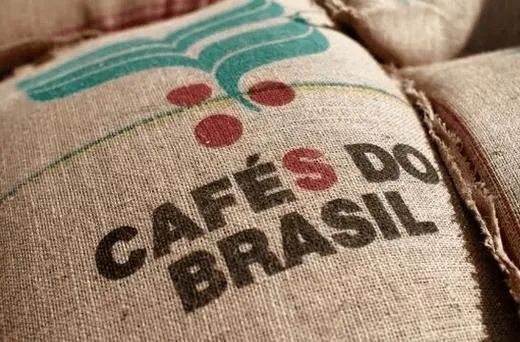
Most international institutions have revised downward their estimates for Brazil’s 2024/25 coffee production. For instance, the latest report from the United States Department of Agriculture (USDA) indicates that this season’s total Brazilian coffee output is now expected to be only about 66.4 million bags, down from the previously estimated 69.9 million bags. Meanwhile, Brazil’s projected coffee inventory at the end of the year is forecasted to be just 1.2 million bags, a sharp 26% drop from the previous year, signaling a gradual tightening of market supply.
Overall, while Luckin’s hundred-billion-RMB procurement agreement provides a much-needed boost to Brazil’s coffee industry, the backdrop of ongoing unstable weather conditions in the producing regions and downwardly revised yield expectations still puts upward pressure on international coffee futures prices in the short term. For consumers, whether the cost of specialty coffee ingredients and final retail prices will be affected remains a key issue to watch.
The above content is compiled by CoffeeHunters, a coffee news website.


