








Introduction:Recently, Starbucks has tightened its management of mobile phone usage among store employees, requiring baristas to store their phones in a designated area during work hours. Even supervisors are restricted from using their phones outside of the bar counter area. This move has sparked widespread discussion among staff—Is it about brand image or an upgrade in management? This article delves into the reasons behind the policy and explores its practical impact on coffee professionals, along with suggestions for adapting.
In workplace culture, moderate “slacking off” is often seen as a buffer against job stress, especially in fast-paced service industries. Starbucks employees are no exception. In the past, during slower periods with fewer orders, many baristas would use their phones or chat with colleagues during downtime as a rare moment of relaxation amid a busy day.
However, according to recent feedback from Starbucks employees, the company has started implementing stricter mobile phone usage rules. It is understood that the new regulations require all newly onboarded baristas to lock their personal phones in designated lockers and are not allowed to bring them into work areas. Shift supervisors and store managers, while permitted to use their phones outside the bar area, must keep them on silent at all times and are strictly prohibited from using them in front of customers.

Employees found violating the phone usage rules by surveillance systems or management will receive a written warning. Many staff find this adjustment uncomfortable, especially during low-traffic periods. Without phones as a source of entertainment or communication, the workday can feel even longer. One employee admitted, “When there’s nothing to do and you can’t even scroll your phone, it’s really boring.” Another said, “Not touching your phone during a full shift is just torture.”
However, some veteran Starbucks employees pointed out that similar rules have long existed, but were previously enforced more leniently. In the past, shift supervisors and store managers often turned a blind eye, allowing many employees to still use their phones in blind spots of the surveillance cameras or during breaks to chat and unwind with colleagues.
According to insiders, the catalyst for this stricter control was largely due to senior management noticing during store visits that some employees were using their phones too frequently— even scrolling or chatting with customers in view— leading to doubts about the store’s professional image. Additionally, there were rumors that some part-time staff had used their phones to film videos or even live-stream sales promotions, further damaging the brand image and prompting management to take decisive action to rectify the situation.
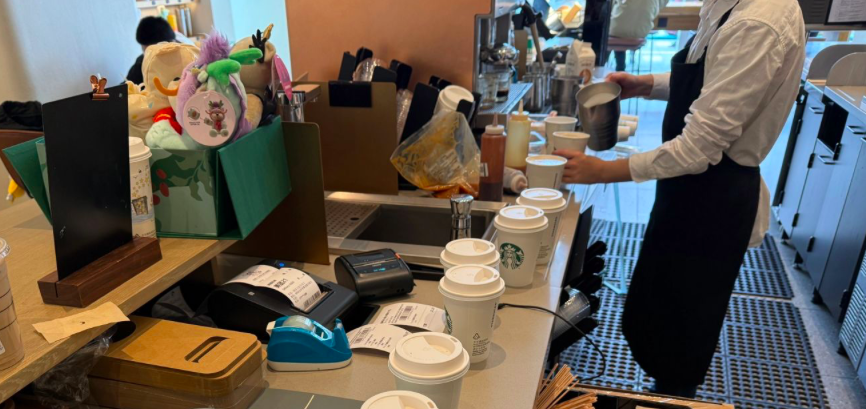
From a brand management perspective, the professional conduct of store staff directly influences customers’ overall perception of the café’s service quality. If customers see employees using their phones frequently during work hours, they may associate it with a lack of service focus or inconsistent product quality. Therefore, Starbucks’ tightened phone usage policy not only helps maintain brand image but also enhances overall service consistency.
However, for frontline employees, a complete ban on phone use during work hours does pose certain psychological challenges. Especially during non-peak times, phones often serve as vital tools for staying connected with the outside world and relieving stress. Some employees have suggested that clearly defining allowable phone usage times and areas, or providing more spaces for staff rest and interaction, could help balance management needs with employee well-being.
Overall, Starbucks’ adjustment of its mobile phone usage policy reflects the brand’s emphasis on customer experience and store image. For industry professionals, understanding and adapting to these guidelines, while seeking a balance between work and rest, will be key to continued growth in the service sector.
The above content is compiled by CoffeeHunters, a coffee news website.


