








Introduction:Americano and pour over coffee are often compared, but they are actually vastly different in terms of brewing principles and flavor profiles. This article delves into the production methods, taste differences, and suitable audiences for both types of coffee, helping you understand why Americano has become a daily beverage while pour over is favored by coffee enthusiasts. From the origins of espresso to the refined extraction of pour over, it will assist you in choosing the most suitable type of coffee based on your needs.
What exactly is the difference between Americano and pour over coffee? Many coffee lovers often wonder why some prefer the clean taste of pour over, while others have mixed opinions about Americano. In reality, these two beverages not only differ greatly in their brewing methods, but also in their flavor profiles and intensity. This article provides a comprehensive analysis of their differences—from historical background, brewing techniques, taste details, to audience preferences—so you can avoid confusion and find the coffee that suits your palate best.
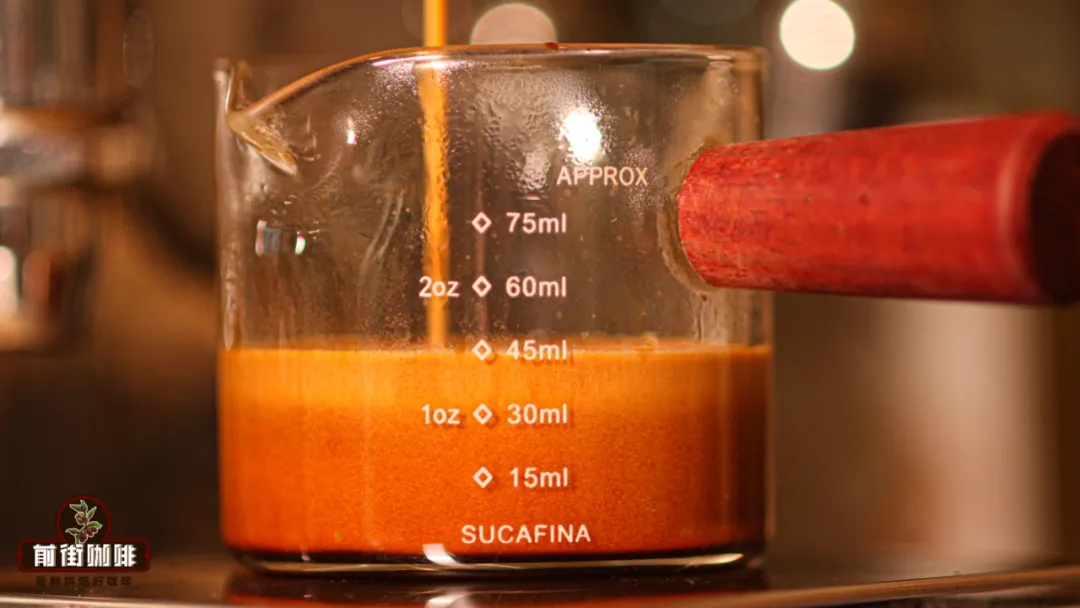
First, let’s clarify what Americano is. This well-known black coffee actually originated from American soldiers during wartime. At the time, they found it hard to tolerate the high concentration and strong bitterness of espresso, so they asked coffee shops to dilute the espresso with hot water. This preparation method gradually evolved into today’s Americano—made by extracting a concentrated espresso base using an espresso machine under high pressure, then diluting it with hot water in a certain ratio (usually 1:2 to 1:3).The standard espresso ratio is about 30 milliliters of espresso mixed with 60 to 90 milliliters of hot water., resulting in a lighter yet still flavorful cup that retains the core characteristics of coffee.

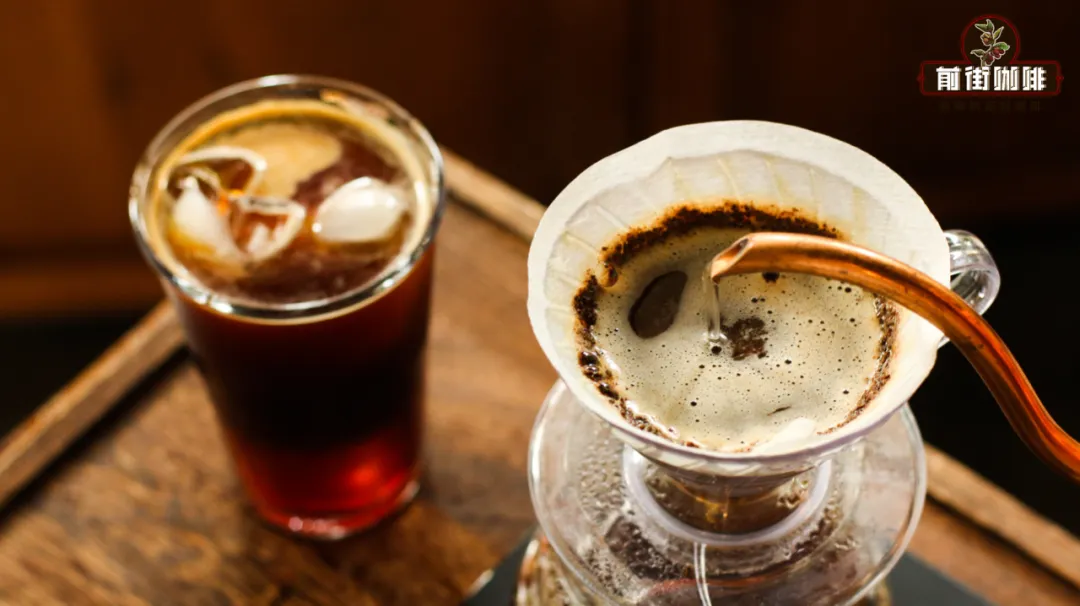
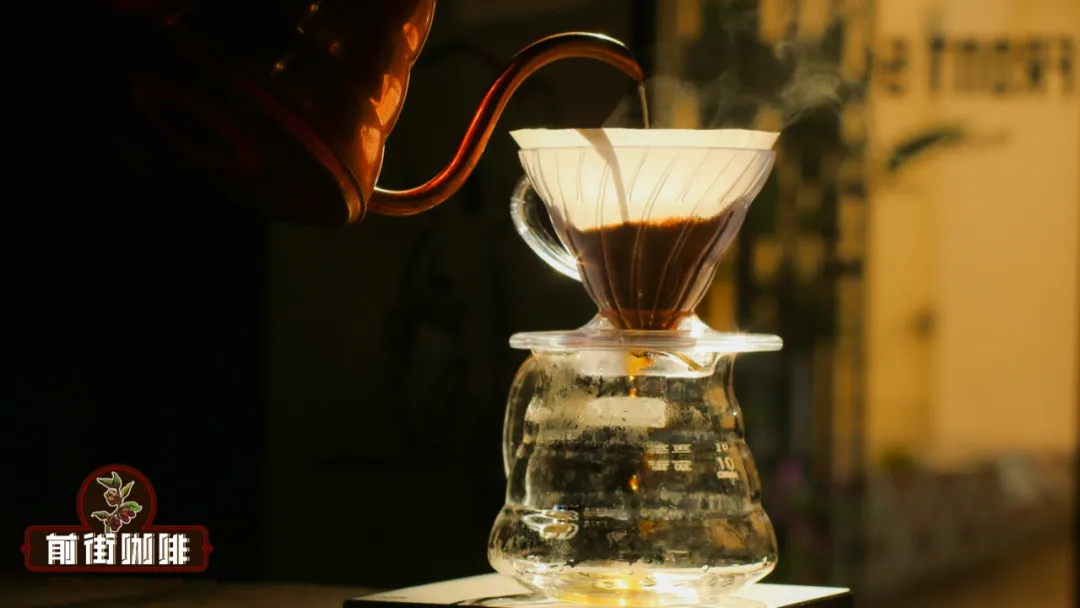
As for pour over coffee, it follows a completely different brewing philosophy. It doesn’t rely on high-pressure equipment but instead manually controls water flow rate, temperature, and grind size to slowly extract the essence from coffee grounds through drip filtration. Common pour over methods include V60, Kalita Wave, etc., emphasizing “even extraction” and “layered flavors.” The coffee-to-water ratio for pour over typically ranges between 1:15 and 1:18, with water temperature recommended to be controlled between 90°C and 96°C to fully release the fruit acidity, sweetness, and aromatic layers of the coffee.
In terms of flavor profile, Americano, being based on espresso, often has distinct notes of caramel, chocolate, or nuts, and a relatively bold and stable taste. If dark roast beans are used, the bitterness may be more pronounced; light roast can preserve more fruit acidity and floral notes, but the overall flavor is still influenced by the characteristics of espresso.Pour over coffee, on the other hand, offers much more versatility.—from bright citrus acidity and honey-like sweetness to tea-like aftertastes in the finish, all can be fine-tuned through bean variety, roast level, and brewing parameters.

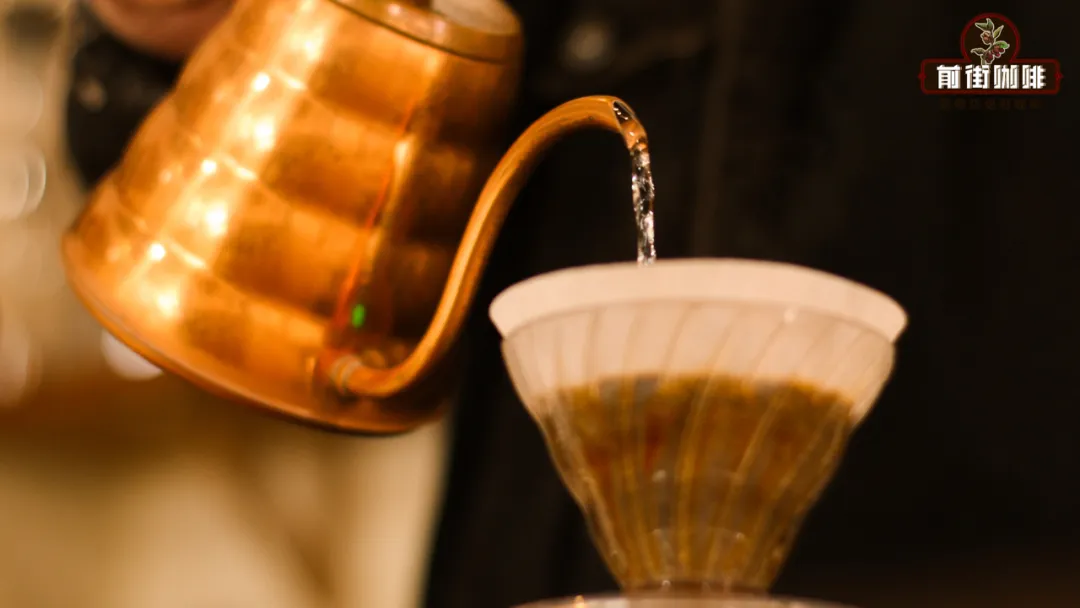
In terms of strength, Americano is generally less intense than pure espresso due to dilution, but still stronger than regular drip coffee. Pour over, depending on the coffee-to-water ratio and brewing time, can deliver a refreshing yet profound taste when properly controlled, making it suitable for those who enjoy delicate flavors. Additionally, pour over coffee usually contains no additives, better highlighting the regional characteristics of the coffee beans and the flavors from the processing method.
Which coffee is right for you? If you prefer a convenient, quick, and consistently flavored black coffee with a rich foundation, Americano is a great daily choice. But if you’re seeking a refined brewing experience, want to explore the diverse flavors of coffee, and enjoy spending time adjusting parameters, pour over coffee is definitely worth diving into.No matter which you choose, the key lies in understanding your own taste preferences and brewing goals..
The above content is compiled by CoffeeHunters, a coffee news website.


