








Introduction:As the birthplace of coffee, Ethiopia is known for its coffee beans often varying significantly in size, a phenomenon closely tied to the country’s rich variety of coffee cultivars and traditional farming practices. This article will explore why Ethiopian coffee beans exhibit such noticeable differences in appearance, delve into the characteristics of native and heirloom varieties, and share tips on selection and brewing to help you better understand these uniquely flavorful beans.
Ethiopia is not only globally recognized as the birthplace of coffee but also one of the countries with the highest genetic diversity of coffee. Among the beans produced in the country, it is common to find variations in bean size. This is not a defect in quality, but rather a natural outcome of its unique varietal system and traditional cultivation methods. In particular, within the product lists of certain well-known roasters, Ethiopian offerings consistently occupy prominent positions and frequently prompt customer inquiries about “uneven bean sizes.”
Upon closer inspection, you’ll notice that these coffee beans not only differ in size, but also show slight variations in color and shape. This phenomenon mainly stems from Ethiopia’s long-standing practice of cultivating coffee trees in natural and semi-wild environments, as opposed to the large-scale planting of single varieties employed by many other producing countries. This diversity contributes to a rich array of flavor profiles but also makes uniformity in appearance more challenging.
The so-called "native varieties" (Heirloom Varieties) refer to ancient coffee types that have naturally evolved within Ethiopia without excessive human intervention. These varieties are typically well-suited to high-altitude environments and are known for their complex floral, citrus, and berry notes—qualities highly sought after by specialty coffee enthusiasts. Since these varieties are often the result of natural crossbreeding or regional mutations, there can be noticeable differences in plant size, fruit shape, and bean dimensions.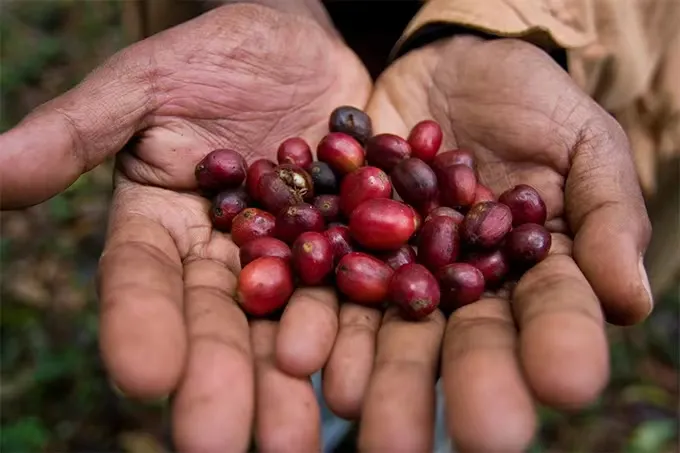
The term "heirloom varieties" refers to another commonly mentioned concept. Although also part of the native variety category, these are typically strains that have been cultivated locally for generations and are regarded by farmers as precious heritage. They may offer advantages such as strong disease resistance or adaptability to specific microclimates, but they also share the characteristic of inconsistent bean size and appearance.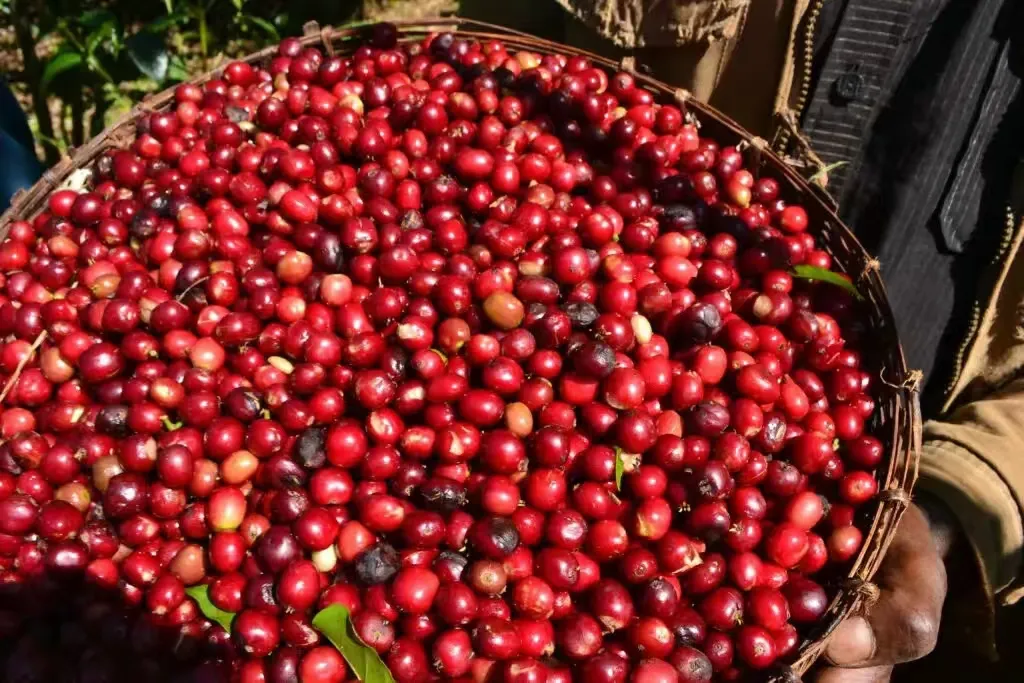
For brewing enthusiasts, when encountering Ethiopian coffee beans with uneven sizes, it is recommended to use a medium-fine grind to balance extraction efficiency across different bean sizes. When using the pour over method, aim for a coffee-to-water ratio between 1:15 and 1:16, with water temperature controlled between 90–93°C, which helps to highlight their bright acidity and complex aromas.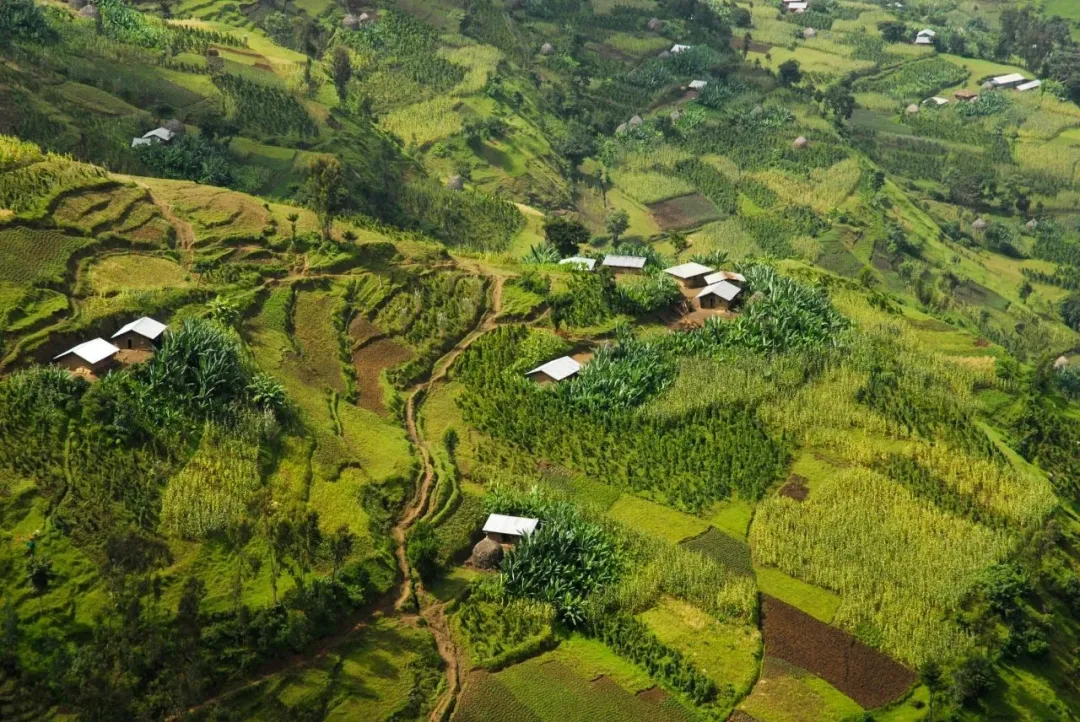
In summary, the common occurrence of uneven bean sizes in Ethiopian coffee reflects the country’s rich biodiversity and traditional farming wisdom. These native and heirloom varieties not only contribute to the unique and diverse flavor profiles of Ethiopian coffee, but also remind us to appreciate the multifaceted charm of coffee beyond a single standard of appearance.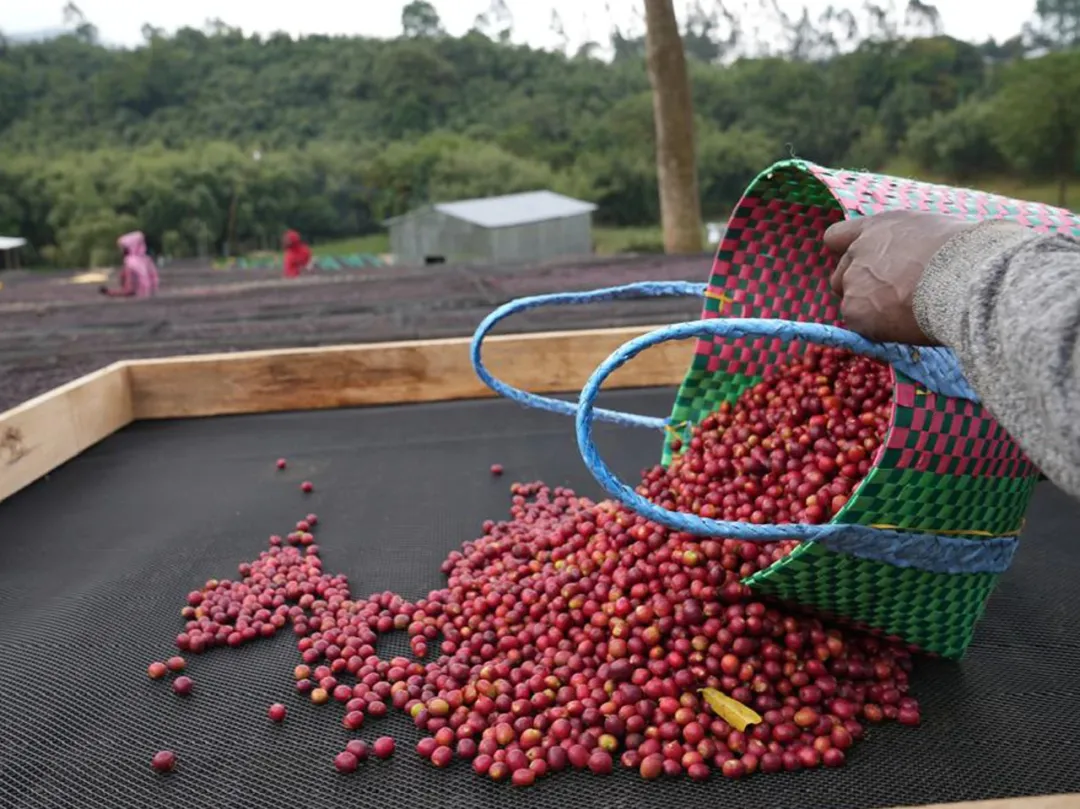
The above content is compiled by CoffeeHunters, a coffee news website.


