







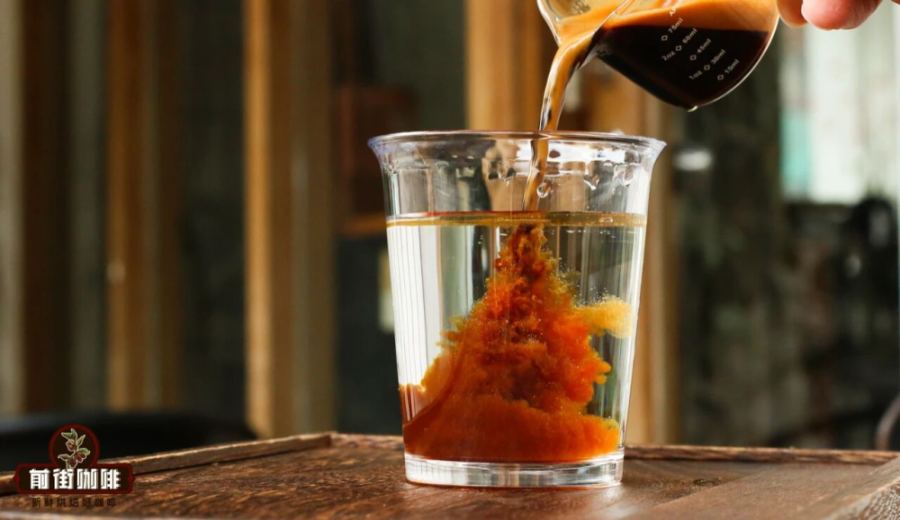
Introduction:Many people think that making Americano is simple, but in fact, mastering just a few key techniques can make this everyday drink more enjoyable. This article delves into how the hardness of dilution water affects sweetness, how keeping or removing the crema on espresso changes flavor, and a new brewing method that uses ice cubes for rapid cooling. It also analyzes the differences between it and traditional espresso, and includes bean selection tips to help you brew a tastier Americano.
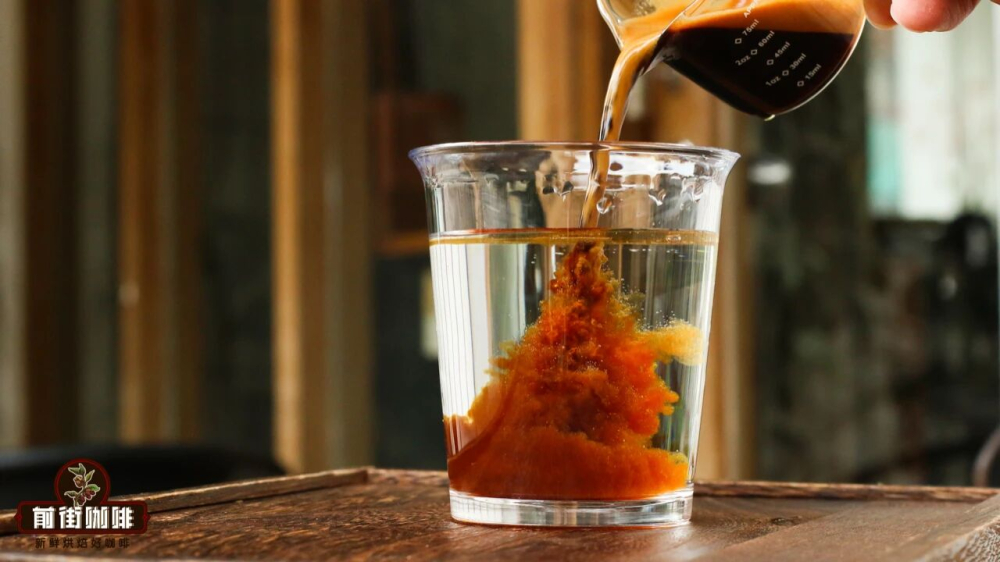
Americano may seem like just espresso with water added, but details often determine the layers of flavor. To brew an Americano that’s not bitter or astringent, with balanced flavors, the key isn’t just controlling the extraction time of the espresso—it also includes choosing the right water, deciding whether to keep the crema, and even the cooling method. Next, we’ll break down these practical factors that influence the quality of an Americano, and share how adjusting these variables can help you brew a smoother cup at home.
I. The Softness or Hardness of Dilution Water: An Invisible Factor Influencing Americano Sweetness
Many people pay attention to extraction parameters but often overlook the quality of the water used for the final dilution. In fact, water still plays a crucial role after extraction—it makes up over 97% of the total volume of black coffee. Although water doesn’t directly participate in extraction, its hardness or softness greatly affects the overall texture and sweetness of the diluted coffee.
Compared to hard water, using soft water for dilution often results in more noticeable sweetness and a smoother mouthfeel, without bringing unnecessary off-flavors. Therefore, even the plain water used to dilute the espresso is recommended to be soft water to enhance the purity and smoothness of the overall flavor.
II. Crema on Espresso: To Keep or Remove, Depending on Preference
The golden layer of crema on top of espresso is often referred to as the “soul of coffee.” However, when making Americano, whether to keep this layer of crema can actually be flexibly adjusted based on personal taste. Crema is mainly composed of carbon dioxide and coffee oils, but it also carries quite a bit of fine particles. While these fine particles can add body, they may also make the coffee taste more bitter and reduce its overall cleanliness and sweetness.
If you prefer a clean, noticeably sweet Americano, you can gently remove the surface crema with a spoon or filter paper before pouring in the water. On the other hand, if you like a richer, longer-lasting aftertaste, keeping the crema will add more layers to the coffee. There’s no absolute right or wrong in choosing to keep or remove the crema—the key lies in the flavor profile you’re aiming for.
III. Ice Cube to Espresso Method: Rapid Cooling While Preserving More Aroma
Generally, making iced Americano involves pouring hot espresso directly into a cup with ice cubes, then adding cold water and stirring. But in recent years, there’s been a new method inspired by the concept of “flash chilling”: first, use a cup filled with ice cubes to catch the freshly extracted espresso, then gently shake it to rapidly cool the coffee, and finally add water for dilution.
The principle behind this method is that the espresso quickly cools upon contact with the ice cubes, and the shaking motion further stabilizes the temperature. It’s said to help preserve more volatile aromatic molecules, resulting in a richer layering of flavors. Practical tests have found that Americano made this way is noticeably cooler in temperature, and the aroma perception tends to be slightly better than the conventional method, especially excelling in ready-to-drink scenarios. However, this method requires an extra step, so whether to use it depends on individual preference.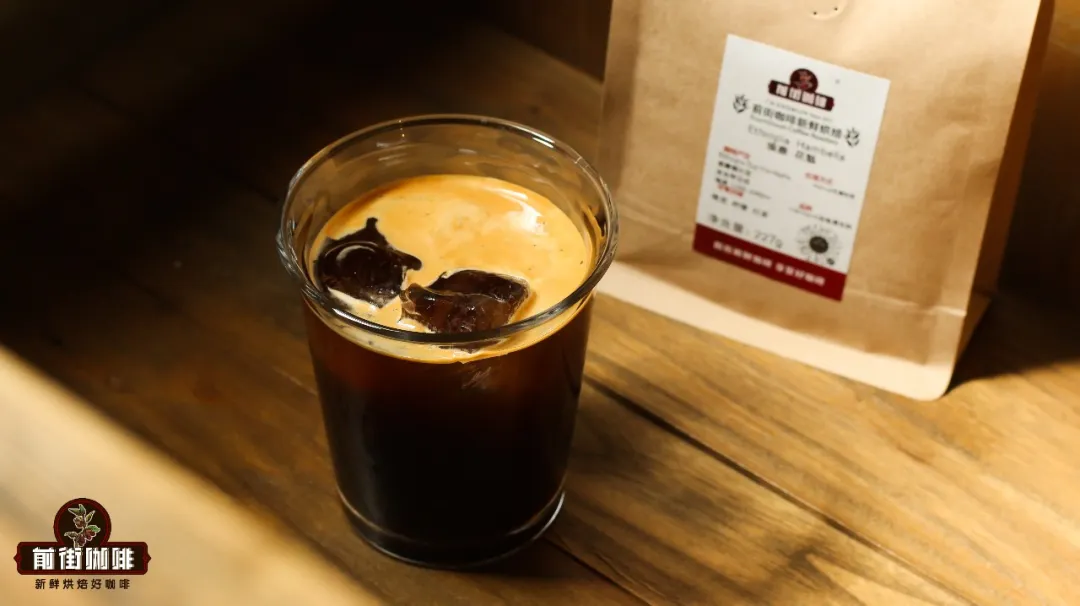
When we talk about the basics of Americano, in addition to the above techniques, selecting the right coffee beans is key. If you want to brew an Americano that’s not bitter and has a natural sweetness, it’s recommended to choose a medium to medium-dark roast espresso blend. These beans usually offer better balance, with acidity that doesn’t overpower and bitterness that’s relatively mild.
For café owners, choosing a commercially blended coffee with rich crema and balanced flavor is the surefire way to ensure consistent quality. For consumers who prefer fruity and fresh flavors, you might consider trying single-origin beans with berry or citrus notes—such as sun-dried Yirgacheffe—or SOEs with pronounced floral and fruity aromas, which can give the Americano a distinctly different personality.
In summary, a delicious Americano relies not just on brewing technique, but also encompasses multiple factors such as water quality, crema management, and cooling methods. Whether you’re a coffee enthusiast aiming to maximize aroma or simply want to brew a smoother everyday coffee at home, mastering these details can help you rediscover the possibilities of this classic beverage.
The above content is compiled by CoffeeHunters, a coffee news website.


