








Introduction:Heytea’s sub-brand “Heytea Tea House,” which features a Song Dynasty-style tea house aesthetic, has closed its stores in Jiangmen, Huizhou, and Zhongshan over the past six months, drawing attention to the survival rate of beverage sub-brands. This brand, known for its freshly brewed tea milk drinks, once attracted crowds with its differentiated positioning, but now faces the challenge of rapidly shrinking store numbers. This article delves into the market factors behind its store closures and explores how beverage sub-brands can carve out a niche in a fiercely competitive landscape.
Heytea Tea House, which once sparked a wave of check-ins in Jiangmen, Huizhou, and Zhongshan, has now seen many of its outlets quietly shut down. Observations show that this sub-brand, inspired by Song Dynasty tea houses and focusing on freshly brewed tea milk, closed its Jiangmen Zhongtian Xindi Store, Huizhou Ganghui Xindi Store, and Zhongshan Daxin Store within just six months, surprising many customers.
Since its launch in 2017, Heytea Tea House has only opened 11 stores nationwide, with the Jiangmen Zhongtian Xindi Store being the first to cease operations. The brand had a unique positioning, using professional tea extraction machines, and its core product, “Fresh Milk Tea,” attracted a loyal customer base with its fresh and refreshing taste. Each time it entered a new city, it initially drew long queues, demonstrating certain market appeal.

However, this wave of popularity did not last. The first store, opened in Jiangmen in April this year, was packed with tea drinkers at launch but announced its closure in less than six months. Soon after, the Huizhou Ganghui Xindi Store, also opened in April, and the Zhongshan Daxin Store, which debuted in June, also reported closures. Official customer service has confirmed that these stores have all ceased operations.
This situation reminds many netizens of the fate of another Heytea sub-brand, “Heytea Mini,” launched earlier. Introduced in 2020 with a positioning of “delicious and affordable,” Heytea Mini once expanded to over 20 stores but completely exited the market in 2022 after Heytea’s main brand adjusted its pricing strategy due to overlapping positioning.
Compared to Heytea Mini, Heytea Tea House took a distinctly different approach. It emphasized a traditional Chinese tea culture style, with freshly brewed tea and fresh milk tea as its core products, which should have differentiated it from the main brand. In theory, this differentiation could allow both to coexist without cannibalizing each other’s markets. But in reality, Heytea Tea House has never significantly raised its profile in the fresh milk tea segment.
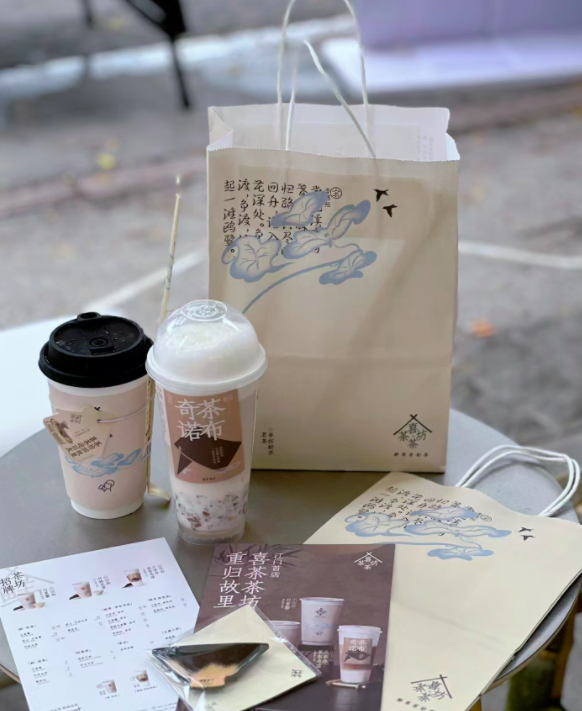
Some local consumers said they didn’t even know Heytea had this sub-brand until its stores closed. Although promotional activities such as buy-one-get-one-free attracted many deal-seeking customers during the opening period, foot traffic dropped noticeably after the promotions ended, making it difficult to maintain stable operations. This reflects that even if a product has distinctive features and reasonable pricing, it is still hard to gain a foothold in the highly competitive tea beverage market without sustained brand exposure and customer loyalty.
Industry analysts believe that the rapid contraction of Heytea Tea House is not only related to individual store performance but also highlights the challenges sub-brands face within a group’s overall strategy. In an environment with limited resources and fierce market competition, brand owners may prefer to concentrate resources on developing the main brand or more promising projects. For consumers, while it’s regrettable to lose a few good-value milk tea options, from a business perspective, phasing out underperforming stores is a common strategic adjustment.
Whether Heytea Tea House will continue to reduce its number of stores or follow in the footsteps of Heytea Mini remains uncertain. But this case offers the tea beverage industry some food for thought: how to maintain brand distinctiveness while building sufficient market competitiveness and customer loyalty is a challenge all sub-brands must face.
The above content is compiled by CoffeeHunters, a coffee news website.


