







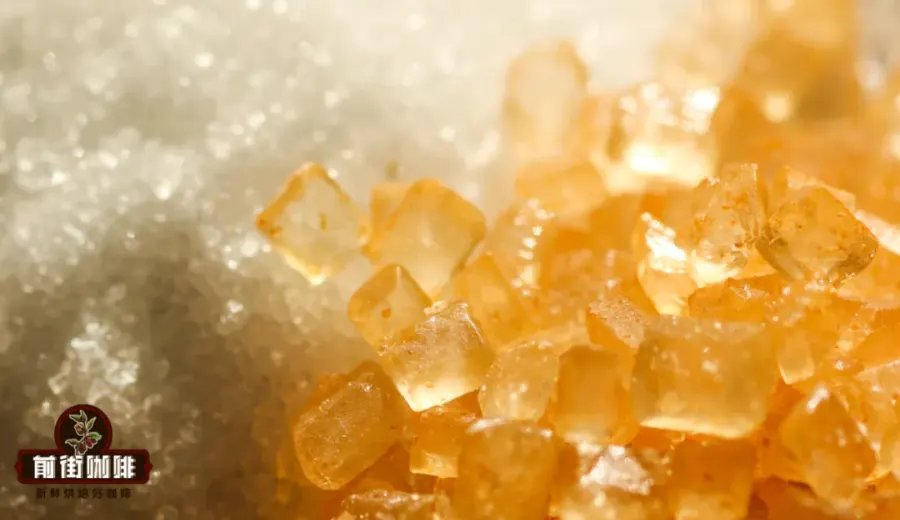
Introduction:Many coffee enthusiasts enjoy adding sugar to their brew or cup to enhance flavor—not only does it help neutralize bitterness, but it can also elevate the overall complexity of the taste. However, with so many types of sugar available on the market, which one is best suited for pairing with coffee? This article takes an in-depth look at the characteristics and differences between white sugar and brown sugar, explores how they influence the flavor profile of coffee, and provides a detailed recipe for the classic Caramel Latte to help you find your ideal sweet match.
With the growing popularity of specialty coffee culture, roasting and processing techniques have become increasingly refined, significantly reducing the strong, burnt bitterness often associated with coffee in the past. Even so, many coffee drinkers still prefer to add sugar, not only to cut down on bitterness but also to make the coffee feel smoother, richer, and more layered on the palate.
A customer once asked a coffee shop: “With so many types of sugar out there, which one is the best for pairing with coffee?” In truth, much like choosing a milk to pair with coffee, there’s no absolute right answer. Different sugars, depending on their origin and degree of refinement, vary markedly in sweetness, aroma, and aftertaste—thus each brings a unique influence to coffee.
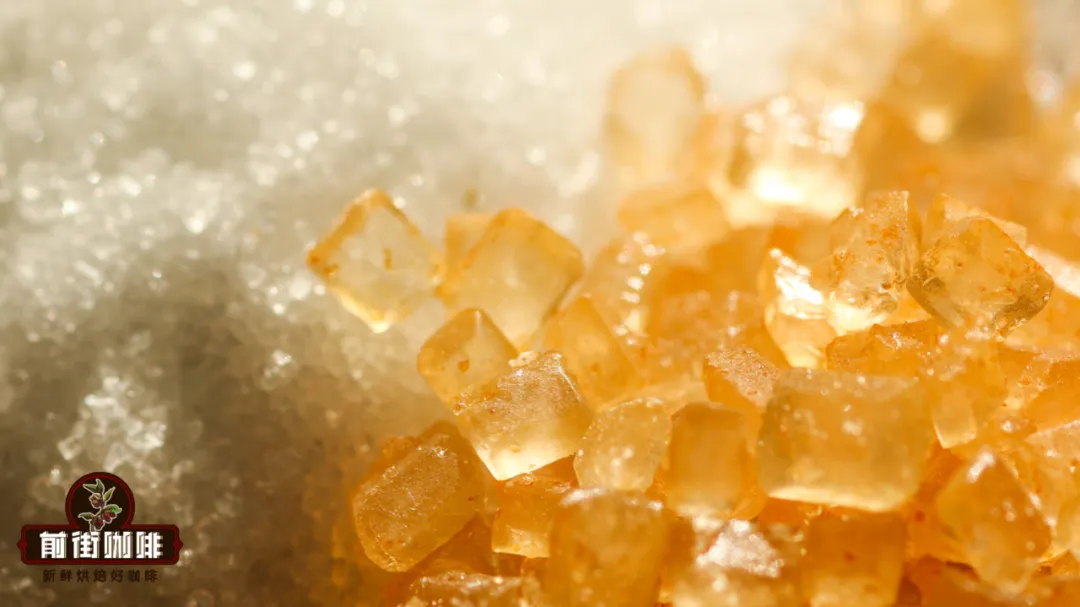
Sugars come from a variety of sources, mainly plants such as sugarcane or sugar beets, and can be processed into multiple forms using different methods. Some sugars retain more of their natural flavors, while others undergo high levels of refinement, leaving behind almost nothing but pure sweetness. Choosing the right sugar can thus offer you a distinct and varied coffee tasting experience.
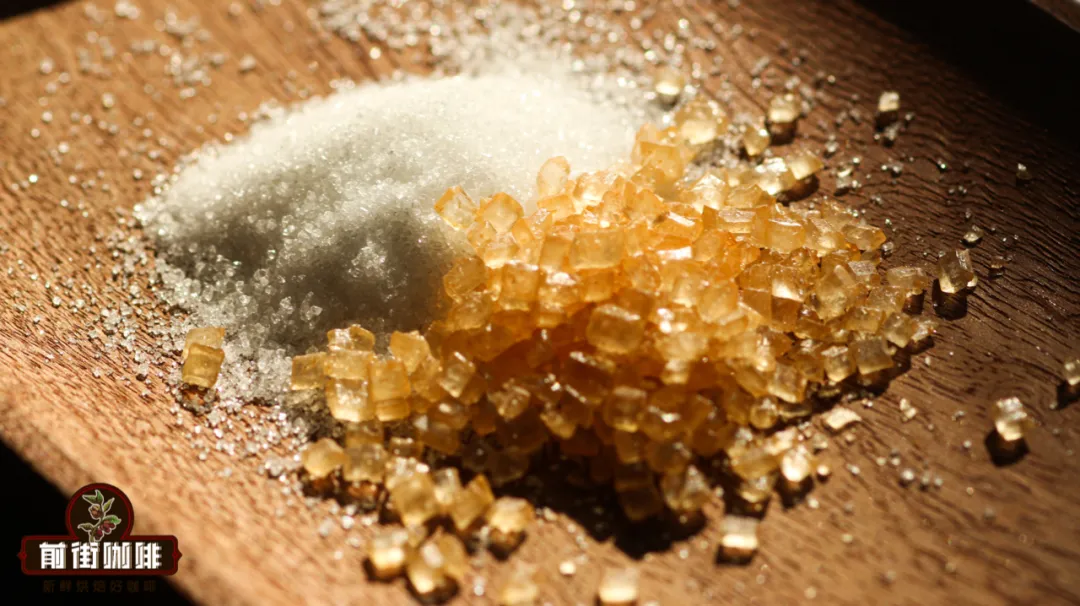
Among the most commonly used sugars in hot beverages at coffee shops are white sugar and brown sugar. Though these two may appear similar in color or form, they deliver markedly different sensations when used in coffee.
White Sugar:This is the most common and widely used type of sugar, prevalent both at home and in cafés. It is typically produced by extracting juice from sugarcane or sugar beets, then undergoing multiple rounds of refining and crystallization, resulting in a pure white appearance and uniform crystal structure. Due to its high level of purity, white sugar has a relatively simple taste, primarily delivering a clear sweetness with almost no off-flavors or aromatic notes.

This characteristic allows white sugar to impart a straightforward sweetness to coffee without interfering with its intrinsic
Brown Sugar:Compared to white sugar, brown sugar undergoes less refining and retains more of the cane’s natural components, such as minerals and some molasses, giving it a light yellow color along with a distinctive caramel aroma and a hint of saltiness. These additional flavor elements can bring a touch of warmth and a richer mouthfeel to coffee.
The sweetness of brown sugar is usually softer than that of white sugar, and it carries a slight roasted note and added complexity, making it suitable for those who prefer more layered flavors or a smoother, gentler coffee taste. When brown sugar meets dark roast coffee, its caramel and nutty profiles often achieve a good balance with the coffee’s bitterness and sweetness, further enhancing the overall drinking experience.
As for the Caramel Latte, it is a classic coffee drink that combines caramel flavors with rich milk aroma. The basic method involves dissolving an appropriate amount of sugar (brown sugar is recommended to enhance the caramel aroma) in the cup first, then adding hot fresh milk and espresso, and finishing with milk foam art. When preparing, you can adjust the sugar amount to your preference—generally, about 10 to 15 grams of sugar per cup is suggested to achieve a balance between sweetness and flavor.
In general, adding sugar to coffee is not about masking flaws, but about uncovering more possibilities. Whether you choose the straightforward sweetness of white sugar or the gentle complexity of brown sugar, you can adjust to find the coffee flavor combination that best suits your personal taste.
The above content is compiled by CoffeeHunters, a coffee news website.


