







Introduction:One of the charms of pour over coffee lies in how the pouring technique can directly influence the extraction efficiency and flavor profile of the coffee. Different pouring methods — including segmentation strategies, pouring height, and whether to pour in circles or stationary — all affect the evenness of coffee grounds extraction and the final extraction yield. This article will delve into how these variables work, helping you master the key techniques of pour over brewing and adjust for a more ideal taste and balance.
The most distinctive feature of pour over coffee is that it relies entirely on manual pouring to complete the entire extraction process. This seemingly simple action actually contains many critical details that impact coffee flavor. Pouring not only creates the necessary turbulence to promote flavor release but also ensures a more consistent extraction across the entire coffee bed. However, because the entire process is manually operated, any subtle changes — such as pouring height, speed, path, or segmentation method — can noticeably alter the final extraction yield.
Generally speaking, about 30% of the compounds in coffee beans are water-soluble, but not all of these soluble substances are beneficial to flavor. According to the industry-recognized "Golden Cup Extraction Theory," a cup of coffee with balanced and satisfying flavor typically has an extraction yield between 18% and 22%. Therefore, if you want to consistently extract pleasing coffee flavors, in addition to choosing the right grind size and brew ratio, a deep understanding of the principles and operational details of pouring is indispensable.
Segmented pouring is one of the most common and impactful techniques. Segmentation refers to dividing the total water volume into several pours, rather than adding it all at once. Common segmentation methods include single pour (pouring the remaining water all at once after the bloom), triple pour (pouring in two steps), or even more refined four-, five-, or six-segment methods.
Under the same brew ratio, the more segments there are, the smaller the water volume per segment, and the overall extraction yield often increases as well. This is mainly due to two factors: first, multiple pours extend the total extraction time, allowing hot water more contact time with the coffee grounds; second, and more crucially, segmentation helps maintain the concentration gradient inside and outside the coffee bed.
When hot water seeps into the coffee grounds, the flavor compounds diffuse outward due to the concentration gradient. But over time, the concentration of the liquid outside the grounds gradually increases. When the internal and external concentration difference narrows, extraction efficiency declines. By segmenting and adding fresh hot water, this concentration difference can be continually reset, allowing extraction to continue. Therefore, the more segments there are, the more it helps to improve the overall extraction yield and allows for more precise control over flavor output.
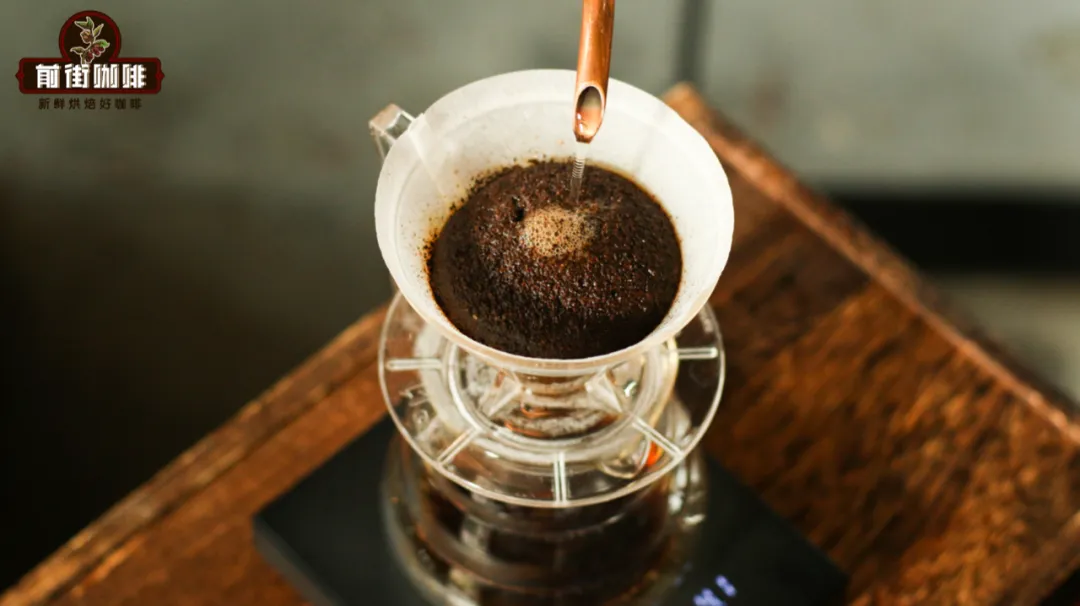
Pouring height is also an important variable affecting extraction efficiency. Simply put, the height of the kettle spout above the coffee bed directly determines the penetrating power of the water stream. When the pouring position is lower, the water flow is gentler, with weaker penetration and limited agitation of the coffee grounds; conversely, when the pouring height is increased, both the speed and impact of the water flow increase, more effectively agitating the coffee bed and improving extraction uniformity.
However, higher pouring is not always better. When the height exceeds a certain limit, the water stream may disperse into droplets due to gravity, losing its concentrated penetration effect. In addition, a too-high pouring position can also cause the hot water to lose too much heat energy in the air, thereby affecting the brewing temperature and ultimately reducing extraction efficiency. Therefore, it is recommended to adjust the most suitable pouring height based on the design of the filter cone and the coarseness of the coffee grounds — generally suggested to be about 5 to 10 centimeters above the coffee bed, with fine-tuning according to actual conditions.

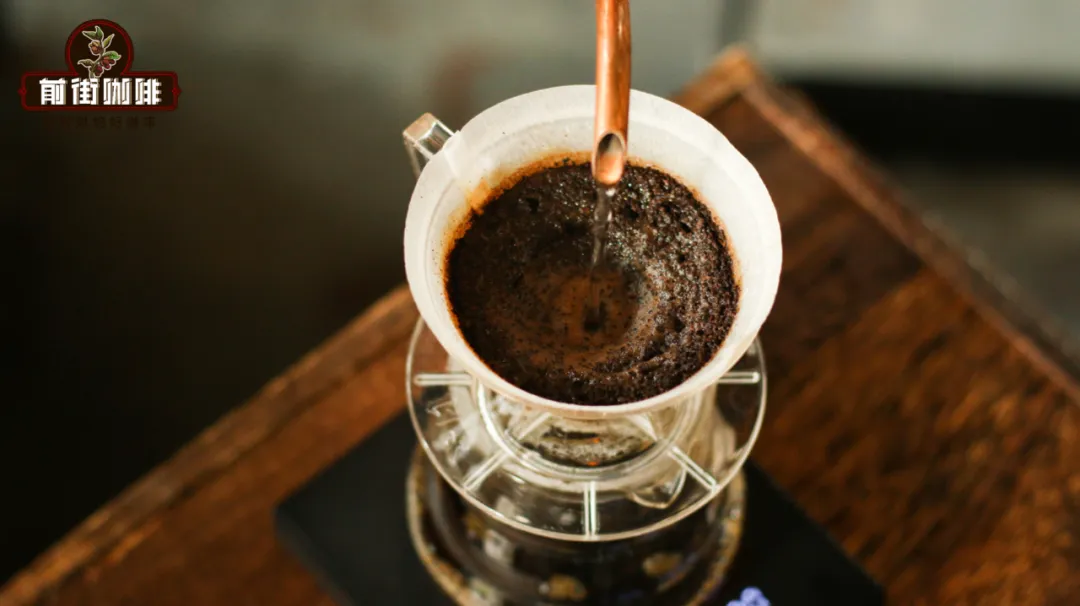
Circular pouring and stationary pouring are two common techniques that have very different effects on flavor. Circular pouring means continuously moving the kettle in a circular motion during pouring, allowing the water stream to evenly hit different areas of the filter cone, which helps improve overall extraction uniformity. Stationary pouring, on the other hand, involves keeping the kettle spout fixed at the center of the filter cone and continuously pouring hot water. This method tends to concentrate on the central area, and if not well controlled, may lead to under-extraction at the edges.
It is generally recommended that beginners start with a central stationary pour, then gradually practice small circular movements to ensure the hot water covers the entire coffee bed. When circling, maintain a consistent speed, avoid going too fast or too slow, and try to keep the water stream steady to minimize channeling (where water preferentially flows through paths of least resistance, causing some coffee grounds to be over-extracted or under-extracted). By practicing control over the radius and speed of your circles, you can more precisely adjust the extraction levels of different sections, further optimizing overall flavor performance.
Overall, the pouring technique in pour over coffee is an art that combines science and experience. Whether you use a multi-segment strategy, adjust the pouring height, or choose between circular or stationary pouring paths, these variables directly affect the coffee’s extraction yield and flavor balance. Understanding these principles enables you to flexibly adjust your pouring method when facing coffee beans from different regions or roast levels, extracting a cup that better suits your personal taste.
It is recommended that readers record their pouring methods and parameters during each session, observe flavor changes, and gradually identify the extraction strategy that best suits their palate. Only through continuous experimentation and adjustment can one truly master the essence of pour over coffee and enjoy the endless pleasures of hand-brewed coffee.
The above content is compiled by CoffeeHunters, a coffee news website.


