







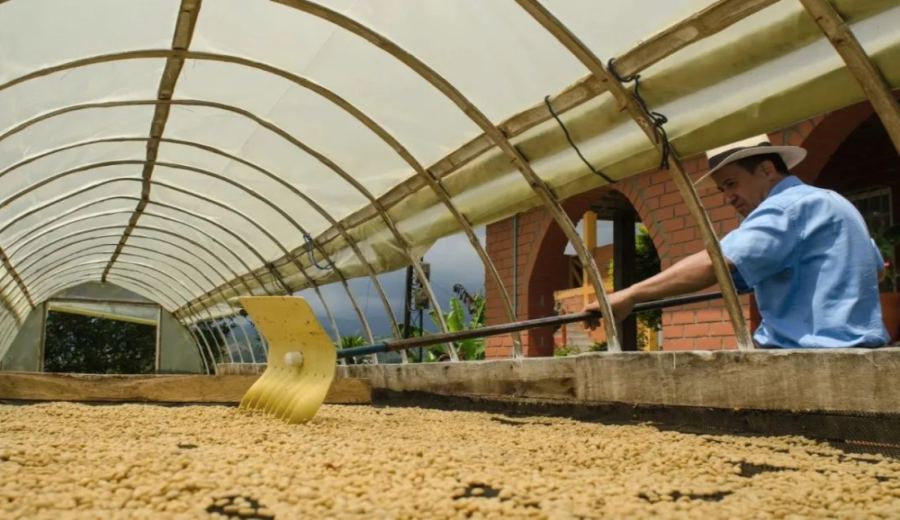
Introduction:As the world’s third-largest coffee-producing country, Colombia has recently received 220 billion pesos in agricultural revitalization funds. Production for the 2024/25 season is projected to exceed 13 million bags. However, threats such as drought, forest fires, and the La Niña phenomenon remain. This article delves into the underlying concerns behind the production growth and provides practical advice for coffee farmers facing extreme weather.
Colombia is not only the world’s third-largest coffee producer but also a key player in stabilizing global market supply. The latest statistics show that the country’s banks have announced the allocation of220 billion Colombian pesos(approximately 54 million US dollars) in special funds to comprehensively support the development of the agricultural sector. Driven by favorable policies and improved climatic conditions, coffee production for the 2023/24 season is expected to reach12.53 million bags(each bag weighing 60 kilograms), marking an 18% surge from the previous year, with the 2024/25 season poised to reach the milestone of 13 million bags.
However, agricultural experts warn that multiple risks lurk beneath this production growth.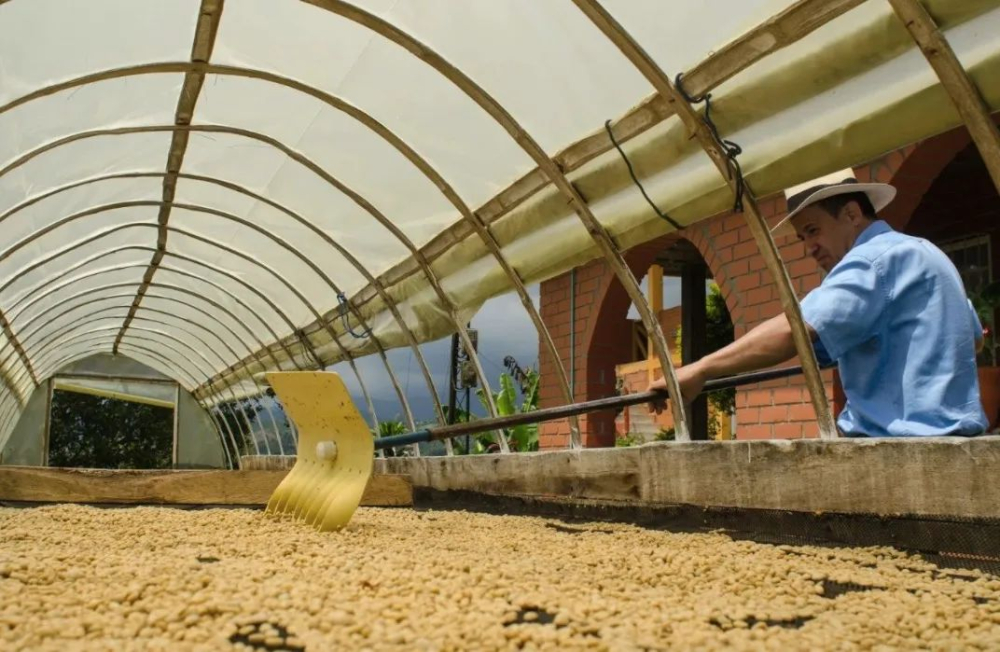 The persistent drought earlier this year caused a sharp drop in water reservoir levels across the country, forcing some regions to implement water rationing measures, severely impacting the irrigation needs of coffee trees. Coffee farmers faced a dilemma: reducing watering could cut costs but might lead to increased fruit drop; increasing water use risked fines for non-compliance. Fortunately, rainfall stabilized in May, temporarily alleviating the drought, but after September, when the dry season resumed, large-scale forest fires broke out nationwide, ravaging nearly11,000 hectaresof farmland (including coffee and sugarcane plantations).
To systematically strengthen agricultural resilience, the Colombian government, in partnership with the Development Bank of Latin America, launched the “Climate-Smart Agriculture Initiative,” planning to allocate a budget of 99.9 million US dollars over five years. The initiative will focus on improving the drought resistance of irrigation systems and disaster early-warning mechanisms. Additionally, 11 special programs have been established, covering areas such as the deep processing of coffee beans, food technology research and development, and rural eco-tourism, with an expectation to create over 50,000 rural jobs.
According to a technical report from the Colombian National Federation of Coffee Growers (FNC), this season’s yield increase is mainly attributed to the promotion of new disease-resistant varieties and improved pruning techniques. Notably, major producing countries such as Brazil and Vietnam have also reported production declines, pushing international coffee futures prices to ahigh of $2.40 per pound. If Colombia meets its production target, it could help stabilize market fluctuations.
However, the industry’s outlook still faces three major challenges: First, the World Bank predicts that global fertilizer prices will continue to rise in 2025 due to the situation in the Middle East, with an estimated 15–20% increase in the cost of urea per ton; second, the southwestern three provinces (Nariño, Cauca, and Valle del Cauca) are perennially affected by armed conflict, raising concerns about the safety of coffee transport roads; and most severely, the U.S. Climate Prediction Center indicates a 71% probability of La Niña occurring in the autumn of 2024, which could trigger persistent heavy rains and frost damage.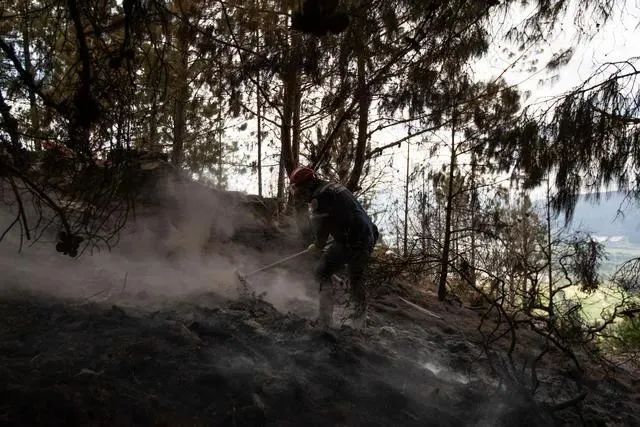
On a practical level, professional coffee farmers recommend taking the following measures: installing soil moisture sensors for precise water control, purchasing climate disaster insurance, and prioritizing drought-resistant varieties (such as Castillo or Castello). For small and medium-sized farms, collective fertilizer procurement through cooperatives can reduce per-unit costs, and government subsidies can be used to upgrade shade-grown cultivation systems to regulate microclimates.
The above content is compiled by CoffeeHunters, a coffee news website.


