








Introduction:Want to brew a medium-to-dark roasted coffee with balanced acidity and bitterness, and a rich, full-bodied mouthfeel? This article details the key parameters affecting extraction—from filter choice and grind size to water temperature—and uses Yunnan Typica medium roast beans as an example to provide a complete pour-over brewing guide along with flavor descriptions. Master these techniques, and even beginners can easily brew a layered, full-bodied cup.
Many coffee enthusiasts hope to enjoy a coffee that balances sweetness and acidity with a rich mouthfeel, rather than one with overly sharp acidity or intense bitterness. Medium-to-dark roasted beans are ideal for delivering such balanced flavors. However, precisely controlling extraction parameters in practice isn’t easy. This article takes Yunnan Typica medium roast beans as an example, breaking down how to brew a fragrant and layered medium-to-dark roast coffee by selecting the right filter, adjusting grind size, and setting the water temperature.

Customers often ask: "Do you have any coffee recommendations that are neither too acidic nor too bitter, with a well-balanced mouthfeel?" This is actually a common request—most people prefer beverages with balanced flavors and noticeable sweetness. Medium to medium-dark roasted beans are perfect for this. These roast levels retain some lively acidity without becoming overly sharp, while also developing a fuller body and caramelized flavors.
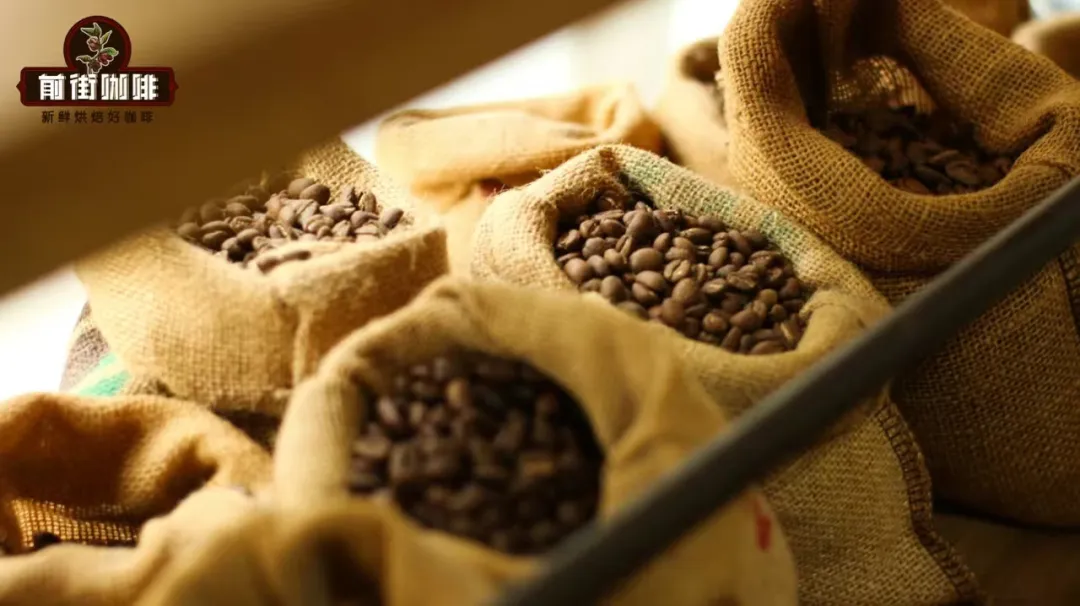
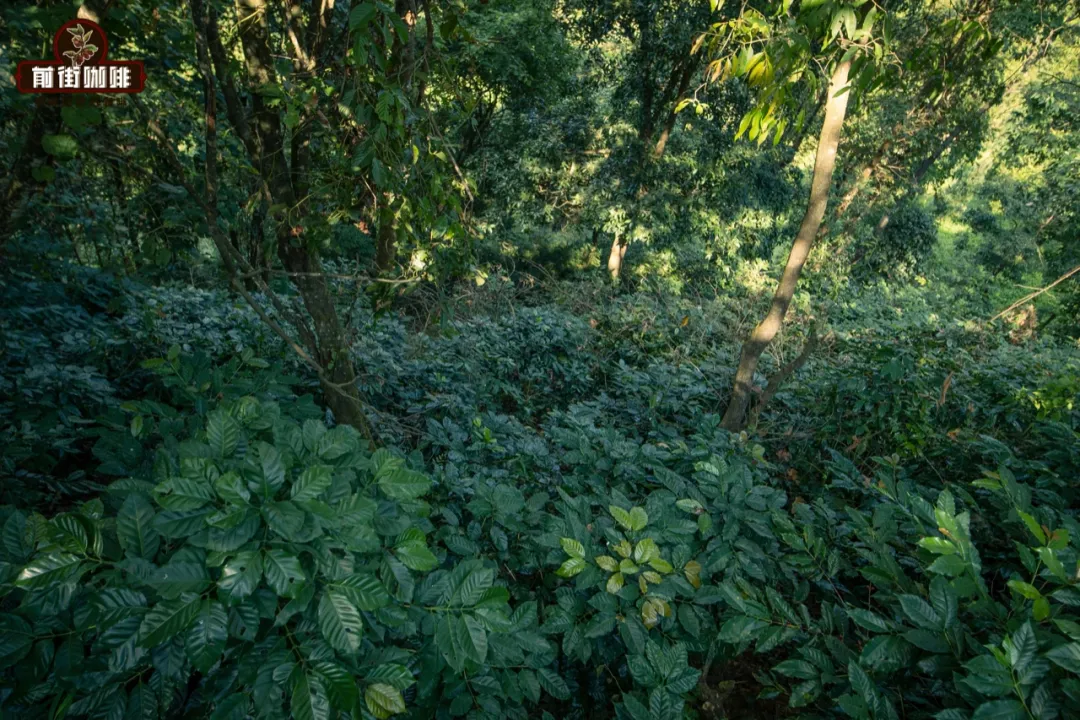
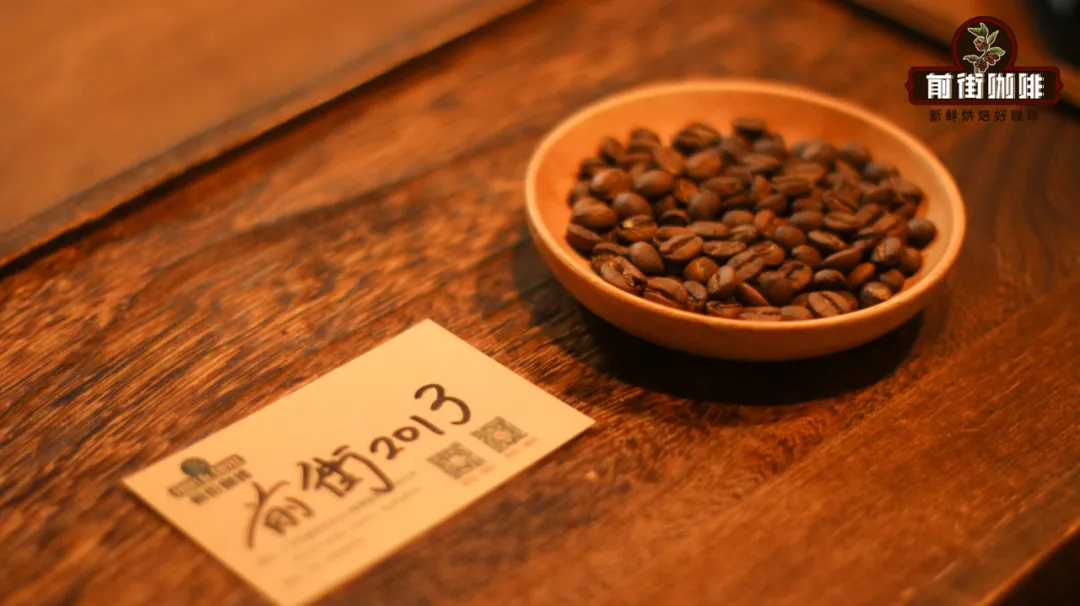
Take Yunnan Typica medium roast beans as an example. These beans come from the Typica variety planted in 2013, which was cultivated and optimized over the years before being harvested in 2020. Using traditional sun-drying processing, the beans fully preserve the unique fruity notes of the Yunnan growing region. The medium-dark roast enhances a nutty and chocolatey base, resulting in a rich mouthfeel with prominent sweetness.
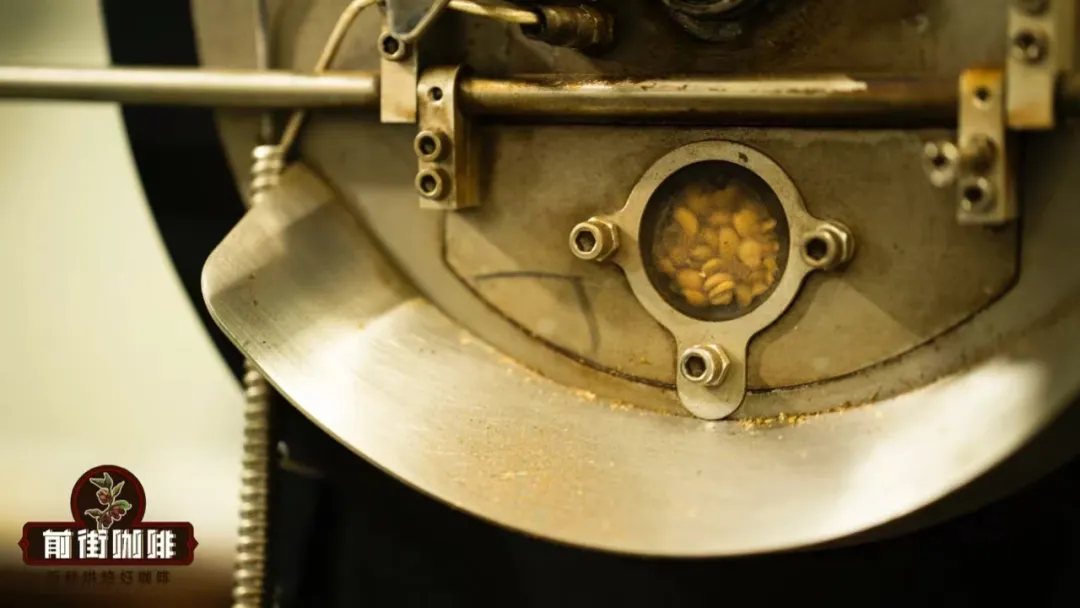
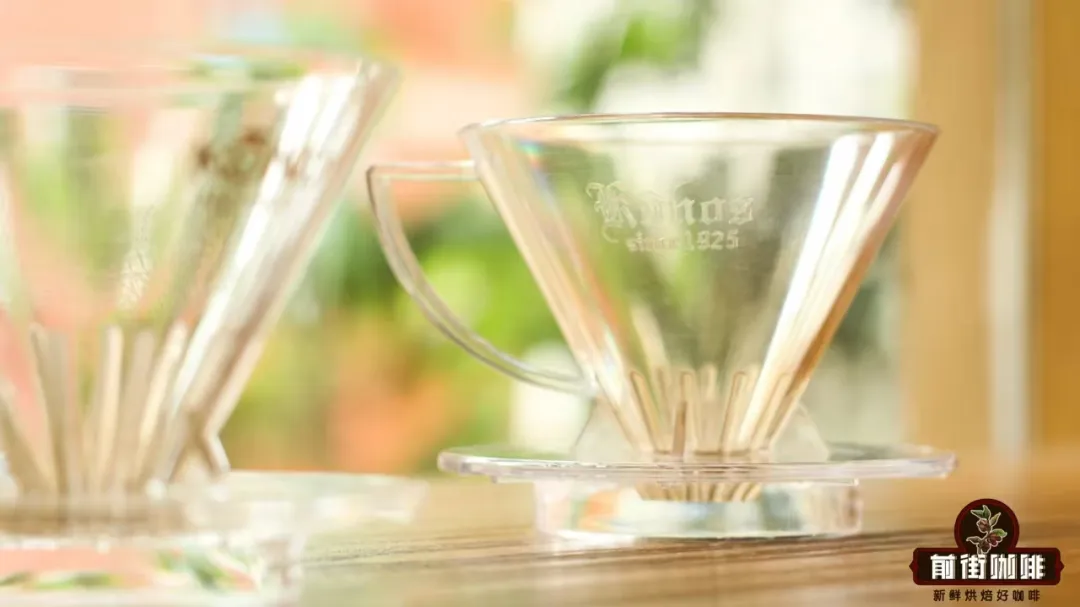
The challenge in brewing medium-to-dark roast coffee lies in balancing extraction efficiency. Over-extraction can release excessive bitter and astringent compounds, while under-extraction leads to flat flavors. It’s recommended to use a slower-flowing filter (such as a Kono) to extend the contact time between water and coffee grounds, ensuring thorough extraction of flavor compounds. Notably, medium roast beans have a higher expansion rate, meaning their water absorption is typically faster than that of light roast beans. Therefore, it’s especially important to balance grind size and water flow.
In terms of grind settings, the cell walls of medium-to-dark roast beans are more porous than those of light roast beans, so the actual particle size is finer at the same grind setting. If using a conical filter (like a V60), you can maintain the standard grind size. However, when using a flat-bottomed filter, it’s recommended to coarsen the grind by about 10–15% to avoid channeling and localized over-extraction.Recommended use: Ek43 grinder at setting 10.5 (approximately equivalent to 80% extraction rate through a #20 sieve)This range balances clarity and richness in flavor.
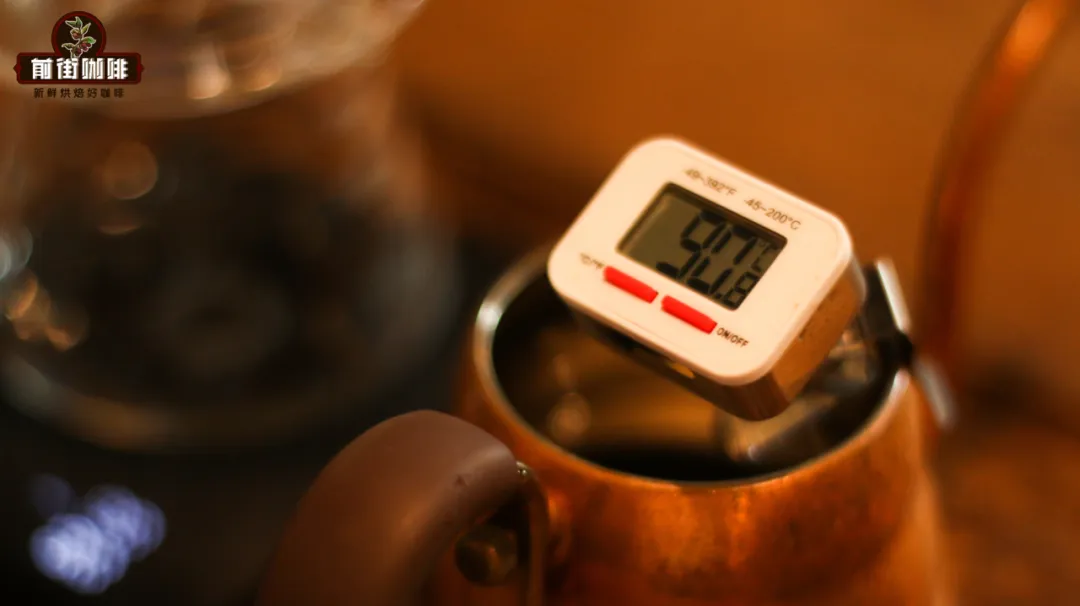
Water temperature control is another key factor. Medium-to-dark roast beans have a lower extraction threshold, so it’s recommended to lower the temperature by 2–3°C compared to light roast beans, typically using hot water at 88–90°C. A lower water temperature slows the extraction rate, reducing the release of bitter compounds while ensuring sufficient extraction of sugars and caramelized flavors. In practice, you can calibrate with a thermometer or adjust your pouring rhythm by observing water temperature changes.
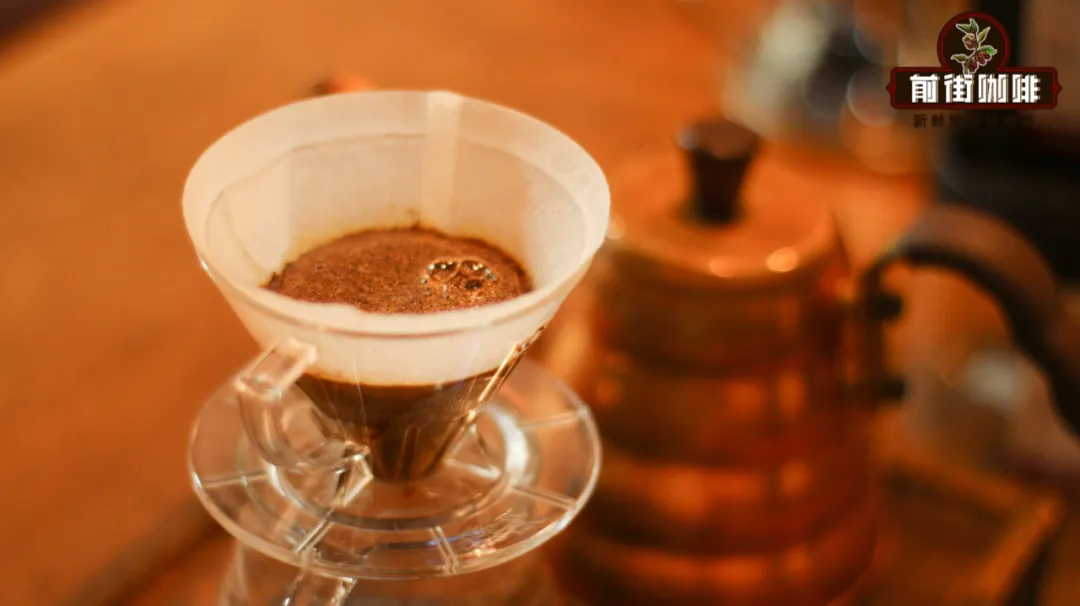
Here’s a complete pour-over guide for Yunnan Typica medium roast beans: Use 15 grams of coffee grounds with a 1:15 coffee-to-water ratio, and perform a three-stage pour using a Kono filter. Begin with a 30-second bloom, pouring about 30 mL of water (twice the coffee weight), using circular inward-to-outward movements to wake up the coffee grounds. The blooming phase effectively releases CO₂, laying a solid foundation for subsequent extraction.
For the second pour, add 120 mL of hot water. It’s recommended to use a thin stream in wide circles, slowly expanding from the center outward. Control the total pouring time for this stage to 45–60 seconds, ensuring even saturation of the coffee bed. If you notice the water draining too quickly, consider adjusting the grind finer or reducing water pressure.
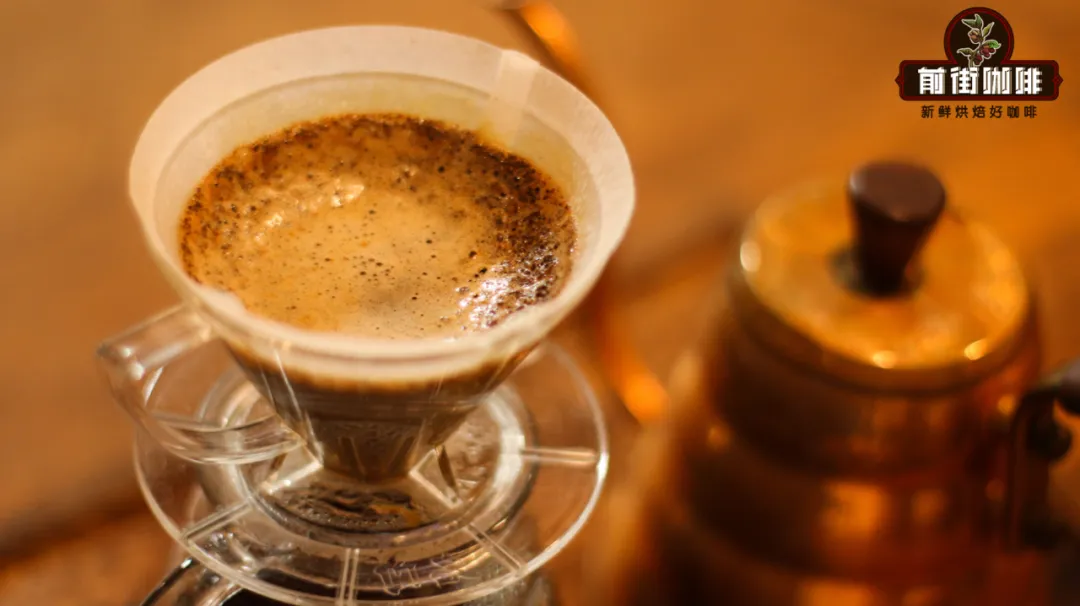
For the final pour, add the remaining 75 mL of hot water, using a slightly wider stream in smaller circles, focusing on the edges of the coffee bed. The entire extraction process should take 2 minutes 30 seconds to 3 minutes, with the final coffee liquid appearing clear and bright amber in color.Maintain a stable pouring height and rhythm, avoiding direct impact on the filter paper to prevent turbulence.。
A successfully brewed medium-to-dark roast coffee should showcase a rich layering of flavors: Initially, you’ll taste a robust base of dark chocolate and roasted almonds, followed by subtle berry acidity and apricot sweetness, with a finish of caramel and brown sugar sweetness alongside a soft, tea-like aftertaste. The body is full and smooth, with excellent acidity-bitterness balance, making it a great match for cheesecake or nut-based desserts.
Common brewing issues include: 1) If you notice pronounced astringency, it may be due to excessively high water temperature or overlong extraction time—try lowering the temperature to 86–88°C and shortening the pouring duration; 2) If the flavors seem too dull, try grinding finer or increasing the coffee dose to 16–17 grams; 3) If the coffee liquid appears cloudy or has off-flavors, check whether the filter paper is fully seated in the filter to avoid paper taste affecting the flavor profile.
For advanced techniques, you can adjust the coffee-to-water ratio to 1:14 to enhance strength or switch to immersion brewing (like a French press) to emphasize a fuller body. Different filters significantly affect extraction:The Kono filter’s rib design extends water-coffee contact time, making it ideal for those seeking a richer mouthfeel; the V60 is better suited for highlighting clear flavor layers.Adjust parameters flexibly based on personal taste preferences to find the brewing method that suits you best.
In summary, the core of brewing medium-to-dark roast coffee lies in controlling the extraction balance point. With the right filter selection, precise grind adjustments, and water temperature management, even beginners can consistently brew well-balanced, high-quality coffee. Remember the key parameters: medium-fine grind (approximately 80% sieve extraction rate), 88–90°C water temperature, and a 1:15 coffee-to-water ratio. Combined with steady pouring technique, you can fully highlight the nutty and chocolatey characteristics of Yunnan Typica medium roast beans.
During actual brewing, also consider environmental factors: Water temperature is greatly affected by room temperature and water quality—in winter, you may need to increase it by 1–2°C to compensate for heat loss. Boiling points vary by altitude, which also impacts extraction efficiency. It’s recommended to use a thermometer and scale to assist in measurement, ensuring consistency in brewing parameters each time, which is a crucial foundation for improving coffee quality stability.
Finally, remember that coffee bean freshness directly affects flavor. The optimal tasting period for medium-to-dark roast coffee is typically 2–4 weeks post-roast. Store beans in a single-serve, one-way valve-sealed bag in a cool, dark place. Avoid prolonged exposure to air to prevent aroma loss and oxidation. Only freshly roasted beans can fully showcase their intended complexity and layered profile.
The above content is compiled by CoffeeHunters, a coffee news website.


