








Introduction:When making espresso, static electricity can easily cause coffee grounds to clump together, which in turn affects extraction uniformity and flavor. This article delves into the causes of static clumping, introduces how to improve coffee bed distribution using a distribution needle paired with the WDT (Weiss Distribution Technique), and explores the practical benefits and potential challenges to help you decide whether to invest in this tool.
When brewing espresso in dry environments, coffee grounds often stick together due to static electricity, leading to uneven distribution and eventually channeling effects that impact extraction stability and flavor performance. Even though many modern grinders come with built-in anti-static features, they still can't completely prevent small clumps from entering the portafilter basket. To address this common issue, a distribution needle combined with the WDT (Weiss Distribution Technique) offers a simple yet effective solution. This article will analyze in detail how it works, its origins, practical effectiveness, as well as possible problems you may encounter during use, helping you evaluate whether this tool is worth purchasing.

Many coffee enthusiasts have likely experienced similar situations during dry weather: static buildup causes coffee grounds to easily form clumps, which then lead to channeling. Even though most commercially available grinders are equipped with anti-static devices, they still can’t completely avoid small amounts of clumping entering the portafilter basket, which interferes with extraction quality. So, is there a way to effectively reduce the negative impact of these clumps on extraction?
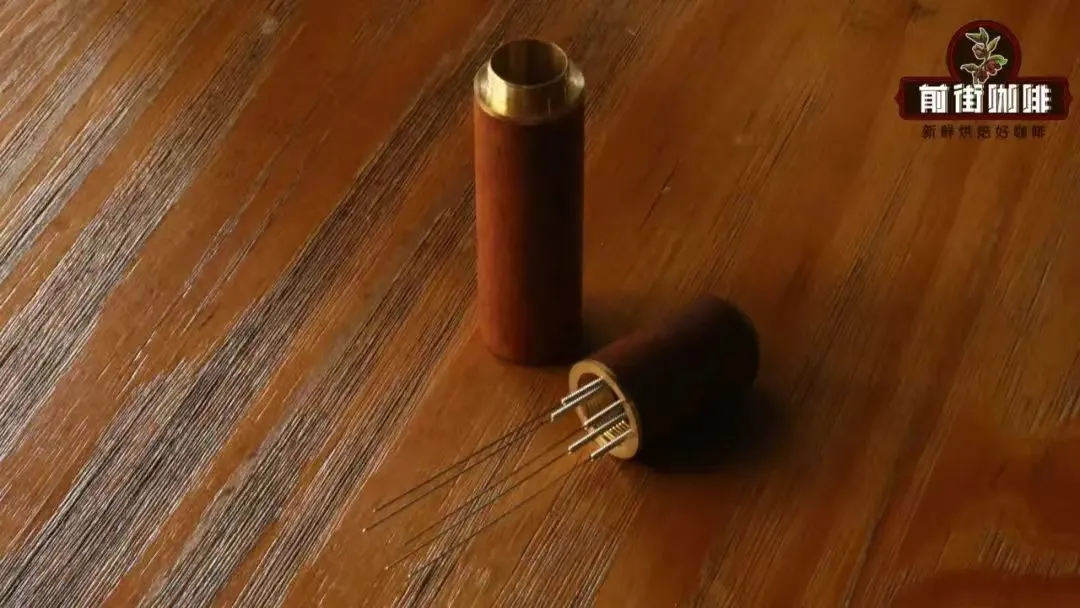
The solution is actually not complicated. By using a slender distribution needle to perform a “needling” stirring motion before tamping the coffee grounds, you can significantly improve the condition of the coffee bed. This technique is known as the famous Weiss Distribution Technique (WDT), and the main tool used in its execution is the well-known “distribution needle.”

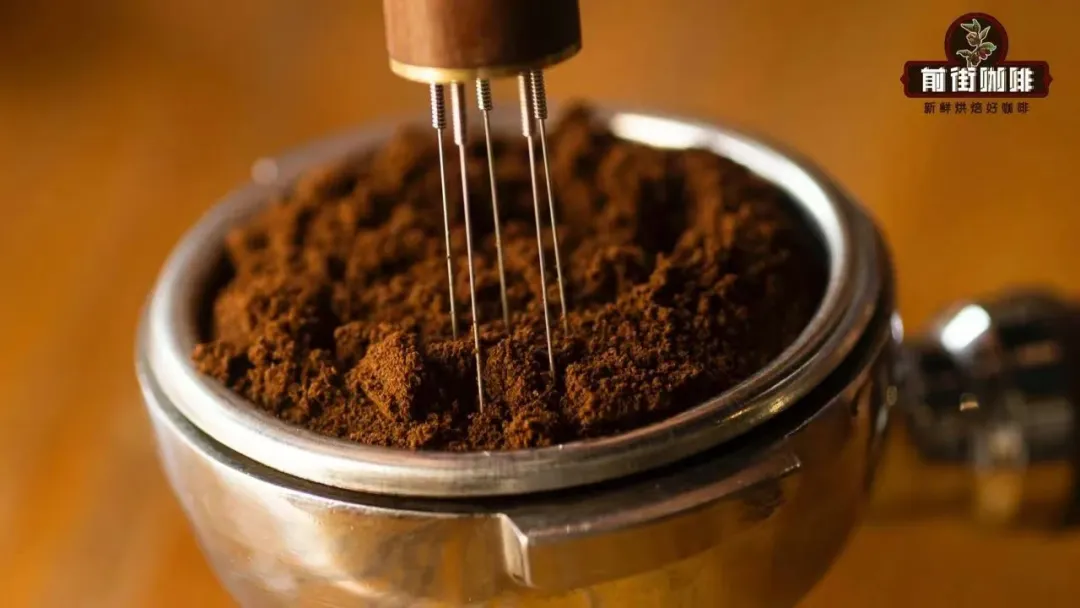
So, how does the distribution needle help us eliminate channeling effects? The principle is actually quite straightforward. When you use the distribution needle to poke and gently stir the coffee grounds inside the portafilter basket, the originally clumped coffee grounds disperse due to the collisions, and the overall distribution of the coffee bed becomes more even. This treatment can effectively reduce areas that are either too dense or too sparse, thereby improving extraction consistency.
The inspiration for this technique comes from Mr. John Weiss, who in 2005 designed this method to address the clumping issues caused by static electricity—hence the name Weiss Distribution Technique. The following animated diagram clearly shows the comparison: when using a distribution needle, the espresso extraction process is noticeably smoother, with almost no splashing of coffee liquid, and the extraction stream remains steadily centralized. In contrast, extractions without a distribution needle tend to exhibit irregular splattering.
This stability is directly reflected in the flavor. Coffee that has been evenly processed with a distribution needle typically shows a more balanced acidity, sweetness, and bitterness, with an overall cleaner taste profile. On the other hand, espresso that hasn’t been treated and exhibits obvious channeling effects, due to uneven extraction, often suffers in flavor performance, showing issues like dullness or over-extraction.
However, there are some things to be mindful of when using a distribution needle. Many users have reported that after stirring with the needle, the gaps between coffee particles become larger, causing the overall height of the coffee bed to increase, sometimes even exceeding the edge of the portafilter basket. This situation can make it more difficult to control the subsequent use of a distribution tool, and a slight mishap may cause coffee grounds to be squeezed out of the basket, affecting tamping and extraction performance. Therefore, it is recommended to operate gently and adjust the amount of coffee grounds slightly as needed to ensure the coffee bed height remains appropriate.
The above content is compiled by CoffeeHunters, a coffee news website.


