







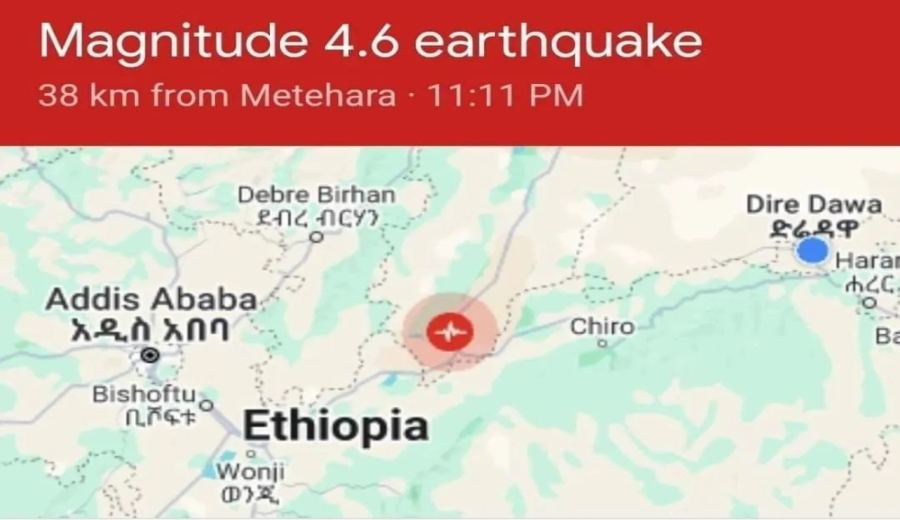
Introduction:In recent months, the Awash Fentale region of Ethiopia has experienced frequent earthquakes, threatening not only local residents' lives but also causing fluctuations in coffee production and transportation bottlenecks in the area. This article delves into the potential impacts of the earthquakes on key producing areas such as Harrar, and explores how damaged roads, the Red Sea crisis, and currency fluctuations are exacerbating export challenges, helping you stay informed about the latest supply chain issues.
Recently, the Awash Fentale region in Ethiopia’s Oromia State has seen a notable increase in seismic activity, drawing high attention from both local residents and the coffee industry. This area is not only close to the capital Addis Ababa but also adjacent to the renowned Harrar coffee-producing region. The earthquakes may alter soil properties, thereby affecting the growth quality of coffee beans, while also posing threats to the transportation network, indirectly disrupting the stability of coffee exports.
According to observations by a local university research team, on October 26, the Awash Fentale district recorded an earthquake with a magnitude of4.7 on the Richter scale. Scholars noted that between 11:00 AM and 9:00 PM that day, multiple quakes of varying intensities occurred in the area. Fortunately, there were no reports of casualties. However, the tremors were generally stronger than previous ones, with residents clearly feeling the ground shake, although most confirmed there was no significant damage.

In fact, since early October this year, the Awash Fentale district has experienced multiple earthquakes, with the earliest recorded late at night on October 6, followed by quakes on the 13th and 16th, though none resulted in casualties. As the district is only about 150 kilometers from the capital, the seismic waves were clearly felt in multiple areas of Addis Ababa. Experts have confirmed that these tremors originated from underground activity in Awash Fentale.
Geological experts further explained that the main reason for the frequent earthquakes is underground magma activity. Although the direct threat to the capital is currently limited, the epicenter is located in the East African Rift Zone, and there remains a risk of further earthquakes in surrounding areas, prompting calls for residents to remain vigilant. Notably, the region is not only densely populated but also a critical hub for coffee production and sales, making the potential consequences of the earthquakes impossible to ignore.
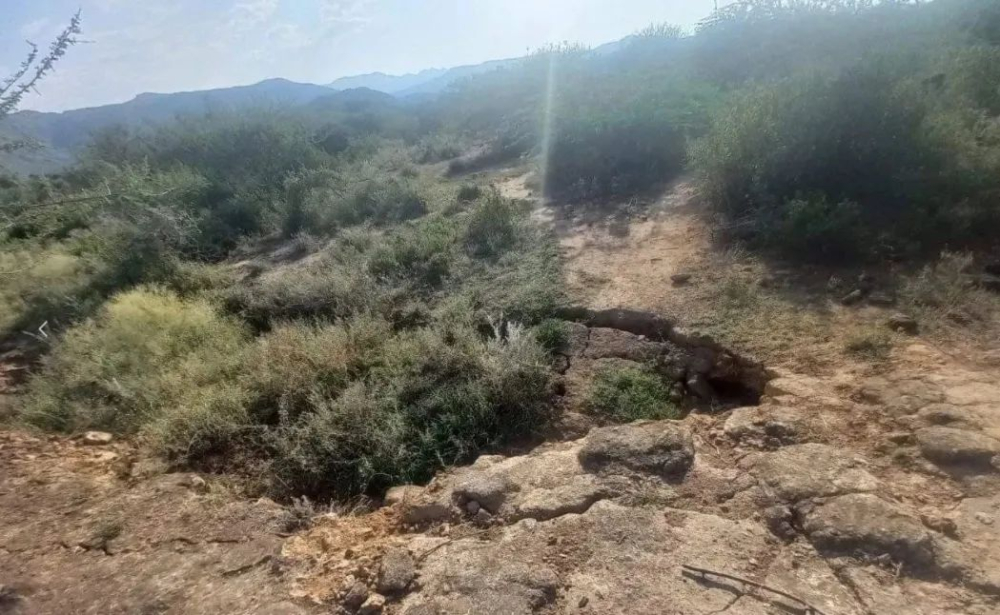
For the coffee industry, earthquakes may directly impact the soil structure of nearby producing areas such as Harrar, leading to changes in soil compaction and nutrient distribution, which in turn can affect the growing environment of coffee trees and final yields. Additionally, repeated quakes could damage the foundations of mountain roads, resulting in ground subsidence, surface cracks, or even landslides, severely impacting road accessibility.
As Ethiopia is a landlocked country, all imports and exports rely on the port of neighboring Djibouti, and the Awash region is one of the main transport routes to that port. If earthquakes continue to degrade road conditions, it will inevitably increase the time and cost of cargo transportation, especially against the backdrop of the worsening Red Sea crisis, where ports like Djibouti are already facing severe congestion, making the export process for commodities like coffee even more difficult.
Beyond natural disasters, Ethiopia’s coffee industry also faces the dual challenges of ongoing northern conflict and continuous currency depreciation. Although the government has deployed drones and combat helicopters in an attempt to stabilize the situation, the fighting has yet to cease, leading to even more unstable logistics and production environments. Regarding the currency, although the official limit on foreign exchange bid-ask spreads is set within2%, the market exchange rate continues to weaken, driving up the costs of coffee cultivation and transportation.
According to the latest adjustment by the Ethiopian Coffee and Tea Authority, the minimum price floor for all coffee products has beenraised by 0.5%to reflect the continually rising production costs. However, amid the interplay of multiple adverse factors, the stability of the coffee supply chain still faces severe tests, and industry players need to closely monitor the aftermath of the earthquakes and policy changes to adapt to future market fluctuations.
The above content is compiled by CoffeeHunters, a coffee news website.


