







Introduction:Jamaica Blue Mountain coffee is renowned as the "King of Coffees," with prices that have long remained consistently high. This phenomenon is underpinned by a complex interplay of historical background, geographical environment, and rigorous quality control systems. This article delves into the production region restrictions of Blue Mountain coffee, the shifting role of the Japanese market, how to identify genuine Blue Mountain No.1 through JACRA’s strict grading system, and introduces the classic flavor profile of the washed beans from the Clifton Estate.
Jamaica Blue Mountain coffee has long enjoyed the prestigious title of the "King of Coffees," with its price consistently ranking at the top of the global specialty coffee market. This pricing is no accident but the result of a confluence of historical twists, a uniquely advantageous geographical environment, and extremely stringent quality control. Only by understanding these factors can one truly appreciate why a cup of Blue Mountain coffee commands such a premium.
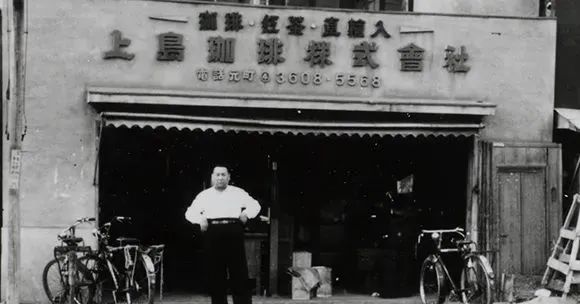
Going back to the last century, Jamaica once had a thriving coffee industry, with over 600 coffee plantations at its peak, and the coffee produced locally was known for its high quality. However, a violent hurricane severely damaged the entire island, not only destroying crops but also plunging the coffee industry into a downturn. At that time, Japan was experiencing rapid economic growth and developed a particular fondness for Blue Mountain coffee. Several Japanese trading companies, including well-known firms like UCC Ueshima Coffee, proactively provided financial assistance to help local production recover.
In return, the Jamaican government signed a 30-year contract with Japan, stipulating that 90% of Blue Mountain coffee production would be exclusively exported to Japan, with the remaining portion allocated to European and American markets. This agreement allowed Japan to monopolize the supply of Blue Mountain coffee for a time and, through successful marketing strategies, sparked a global “Blue Mountain craze,” further driving up its price. Fortunately, the contract has since expired, and today Blue Mountain coffee can enter more markets, making it easier for domestic consumers to taste this legendary coffee.
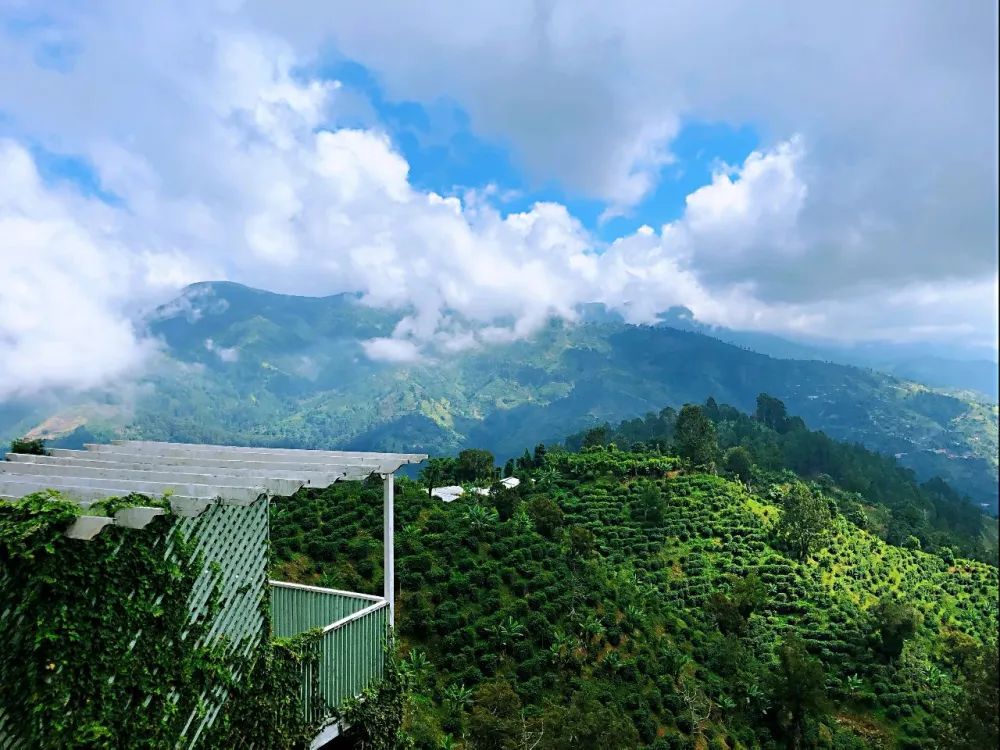
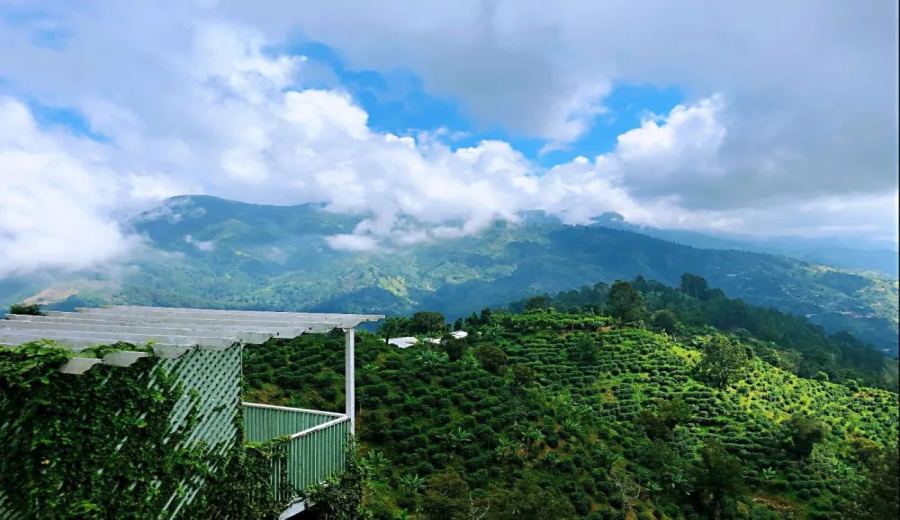
The uniqueness of Blue Mountain coffee is inseparable from the geographical conditions of its production region. Jamaica Blue Mountain is located in the Pacific Ring of Fire, with continuous mountain ranges. The soil, formed through ancient volcanic activity, is fertile and rich in minerals. In addition, the local climate is humid and misty, with abundant rainfall and significant day-night temperature variations, providing an almost perfect growing environment for coffee trees.
However, not all coffee grown in the Blue Mountain region can be called "Blue Mountain coffee." According to the strict definition by the Jamaica Agricultural Commodities Regulatory Authority (JACRA), only Typica variety coffee planted at elevations between 915 meters and 1700 meters within the four administrative regions of St. Andrew, St. Thomas, Portland, and St. Mary qualifies to be labeled as "Jamaica Blue Mountain Coffee." Coffee from other areas, even if of good quality, can only be exported under the names "Jamaica High Mountain Coffee" or "Jamaica Prime Coffee."
The small production area combined with the challenges posed by high-altitude cultivation results in extremely limited output of Blue Mountain coffee. The harvesting process is almost entirely carried out manually by skilled local female workers, with multiple rounds of screening to ensure that only the ripest coffee cherries are picked. The subsequent processing stages also involve strict quality control, from green bean selection to drying, with every step meticulously managed to maintain stable and high-quality standards—another reason for its premium pricing.
JACRA’s grading system for Blue Mountain coffee is highly rigorous. Based on factors such as bean size, defect rate, moisture content, and cupping results, the coffee is classified into four grades: No.1, No.2, No.3, and the premium hand-picked Peaberry (PB). To be certified as top-tier Blue Mountain No.1, multiple criteria must be met: in a 300g sample, over 96% of the green beans must measure between 17 and 18 mesh, the defect rate must not exceed 2%, the moisture content should be around 10% to 12.5%, and the cupping performance must meet specific standards to qualify for export.
To preserve the original flavor and quality of the coffee, the Jamaican authorities insist on using traditional wooden barrels for packaging and transportation, with main specifications being 70kg, 30kg, and 15kg. Only other grades or non-Blue Mountain certified coffee are packed in the more common 60kg jute sacks.
Currently, the most readily available and widely acclaimed Blue Mountain No.1 on the market mostly comes from the Clifton Estate in the St. Andrew region, processed using the washed method. When brewed, it often exhibits captivating layers of dark chocolate, nuts, and caramel, with a silky-smooth mouthfeel, a well-balanced body, and a naturally sweet aftertaste. The overall profile is harmonious and refined, making it a dream coffee for many enthusiasts.
The above content is compiled by CoffeeHunters, a coffee news website.


