







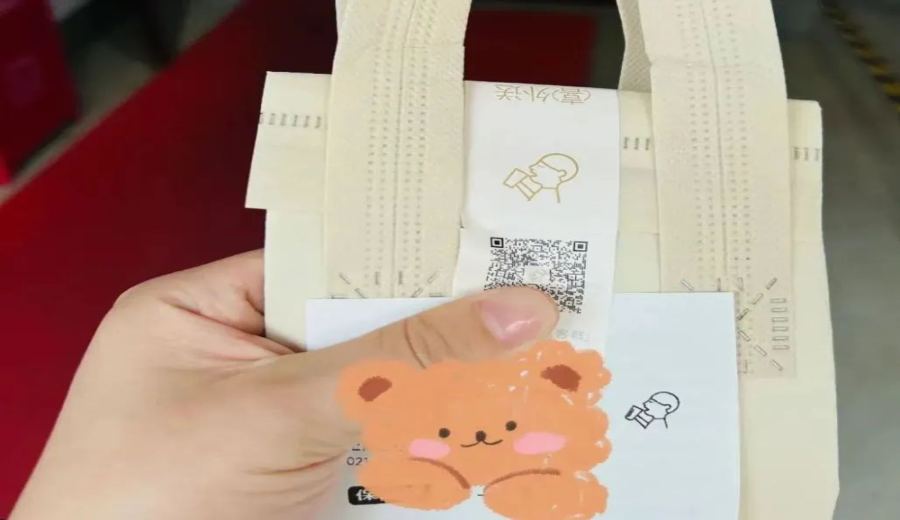
Introduction:The food safety packaging of delivery beverages has been receiving increasing attention, particularly regarding the use of tamper-evident seals by popular tea beverage brands such as Heytea. Recently, some consumers reported that when receiving their Heytea deliveries, they found the originally sealed safety stickers not only loose and damaged, but also contaminated with unsettling curly hairs, raising concerns about the hygiene management of the delivery process. This article will explore the effectiveness of delivery sealing measures, common issues, and precautions consumers should take.
The packaging seal of delivery beverages is supposed to be an important line of defense ensuring food hygiene and safety, but a recent consumer complaint case has cast doubt on this. According to reports, one consumer received a Heytea delivery order where the security sticker was not only loose and torn, but also covered with curly hairs — a sight that was extremely off-putting.
The consumer did not notice anything unusual when picking up the delivery, but only discovered the issue when she returned to her workplace and was about to drink it. She stated that upon seeing the hair and obvious signs of tearing on the sticker, she almost broke down on the spot. She couldn’t determine whether the problem originated from the merchant, the delivery person, or another part of the process, and ultimately decided not to consume the beverage.
Clear images shared online show that the “safety sticker” on the delivery packaging was noticeably loose, with obvious wrinkles and signs of being peeled from the bottom, indicating that the package may have been tampered with. However, because the consumer did not retain evidence at the time and later discarded the delivery item, the root cause of the issue became difficult to trace.
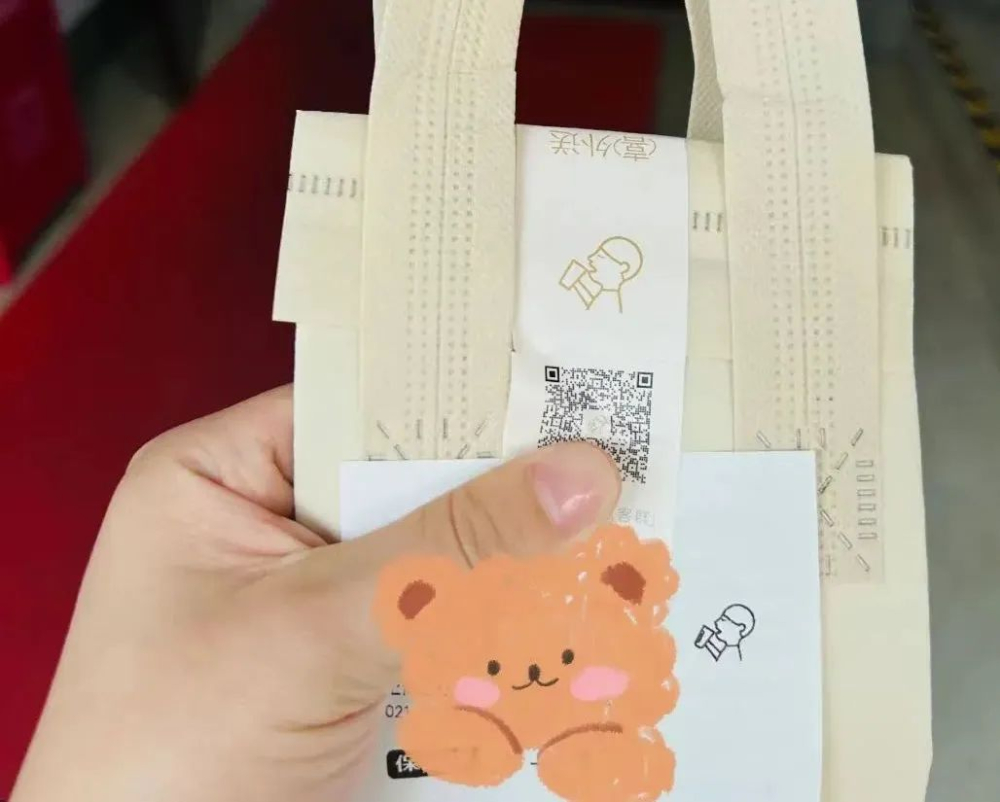
After the incident, the consumer immediately contacted both the beverage merchant and the food delivery platform for clarification. Heytea responded that after repeatedly reviewing surveillance footage, the safety sticker was intact up until the moment the delivery rider picked up the order. The delivery platform also informed the consumer that their investigation showed the issue did not stem from the rider.
However, due to a lack of further evidence, the truth behind the incident was never fully uncovered. The consumer later emphasized that she shared her experience in hopes of reminding the public to pay closer attention to the integrity of delivery beverage packaging and to heighten awareness of food safety.
In fact, Heytea’s “safety sticker” sealing design has long been a focal point of consumer discussion. Many users have reported on social media that the stickers often have insufficient stickiness and are prone to falling off, even popping open during transit, causing the beverage packaging to lose its intended seal — leading to skepticism about the brand’s food safety protection measures.
It is understood that Heytea has clear packaging requirements for delivery orders. Store staff are required to use self-sealing bags with adhesive and additionally attach a single-use security sticker to create a protective barrier isolated from the outside. But in practice, some consumers pointed out that these security stickers are often only affixed to one side of the bag, failing to effectively bond the top and bottom edges, making it difficult to detect from the outside if someone has opened the package.
Additionally, many consumers have also reported that Heytea’s safety stickers tend to come loose during bumpy transport due to poor adhesive durability, rendering the seal of the beverage practically ineffective. These issues have been frequently mentioned, yet no significant improvements have been seen, leaving many consumers disappointed with the brand’s so-called “security” measures.
Although the exact party at fault was not identified in this incident, it once again serves as a reminder to consumers to carefully inspect the packaging upon receiving delivery beverages, especially the condition of the security sticker. If any abnormalities are found, photos should be taken immediately as evidence, and the merchant and platform should be contacted to provide feedback, in order to safeguard one's own rights.
Overall, the hygiene and safety of delivery beverages cannot rely solely on the self-regulation of merchants or delivery platforms. The vigilance and feedback of consumers also play a vital role. Only through collective attention and supervision can relevant service providers be encouraged to improve their service quality and hygiene standards.
The above content is compiled by CoffeeHunters, a coffee news website.


