







Introduction:In addition to its renowned Geisha, one well-known estate also offers a Catuai variety under its Diamond Mountain brand, grown in the high-altitude, premium microclimate of Panama’s Boquete region. This article delves into the breeding origins, grading system, and regional characteristics of Diamond Mountain Catuai, and provides a detailed breakdown of the traditional natural processing method and three-stage pour over parameters used by a certain coffee shop, offering a comprehensive guide to this high-value specialty coffee from variety to brewing.
When it comes to Panama’s Hacienda Esmeralda, many people immediately think of the Geisha that has won multiple BOP championships. But long before Geisha became the market focus, Hacienda Esmeralda, like other well-known Central American estates, primarily cultivated the two major varieties of Caturra and Catuai. Among them, Catuai was brought to market under the “Diamond Mountain” brand, sourced from the high-quality lots of the Jaramillo and Canas Verdes farms, with altitudes ranging between 1400 and 1600 meters, and processed mainly through washed and natural methods.
Hacienda Esmeralda is currently divided into three main growing areas: Jaramillo, Canas Verdes, and El Velo. These farms not only cultivate Geisha and Catuai, but also experiment with planting varieties such as SL34, Pacamara, and Laurina. In recent years, they have even launched a “multi-variety collection” brand to cater to diverse flavor explorations.
For Geisha, Hacienda Esmeralda has a clear internal grading system, mainly divided into the Esmeralda Auction, Esmeralda Special, and Private Collection lots — the latter two being the well-known Red and Green labels. Notably, starting in 2024, Hacienda Esmeralda has introduced a new “Black Label” grade, selected from experimental processed, special altitude, or innovative process lots within the Red Label, distinguished by a black label to further enhance product diversity and collectible value.
As for Catuai, it is sold under the “Diamond Mountain” brand. The name signifies quality and flavor potential as brilliant as a diamond. These coffee beans are all sourced from the Jaramillo and Canas Verdes farms, grown at high-altitude blocks between 1400 and 1600 meters, and processed primarily using traditional washed and natural methods, showcasing a flavor profile that is distinctly different from, yet equally captivating as, that of Geisha.
The Catuai (Catuai) variety was developed by the Instituto Agronômico de Campinas (IAC) in São Paulo, Brazil, through a cross between Mundo Novo and Caturra. Its name comes from the Guaraní phrase “multo mom,” meaning “very good,” reflecting its outstanding agronomic and cupping characteristics. Compared to traditional Bourbon varieties, Catuai trees are shorter with denser fruit clusters, making them not only easier to manage with dense planting but also better suited for stable production in high-altitude environments, while offering both high yields and good flavor potential. As a result, it is widely planted in Panama and other Central American coffee regions.
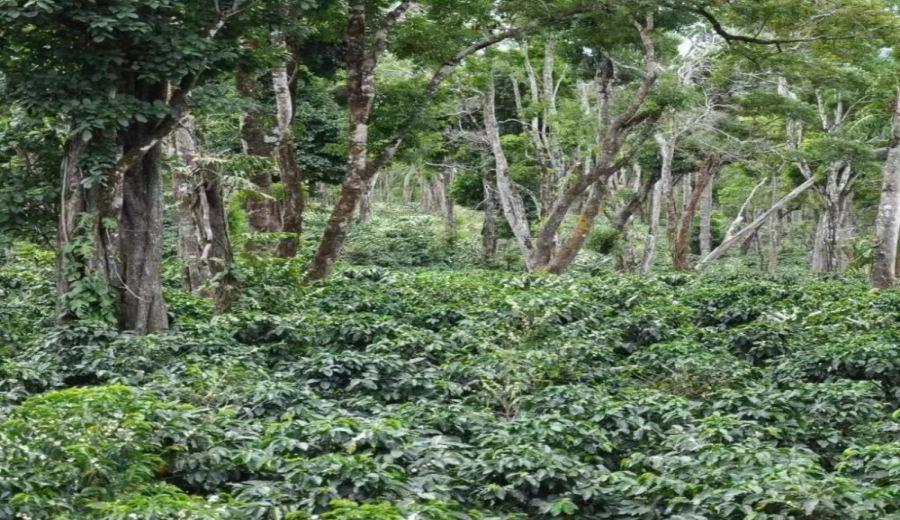
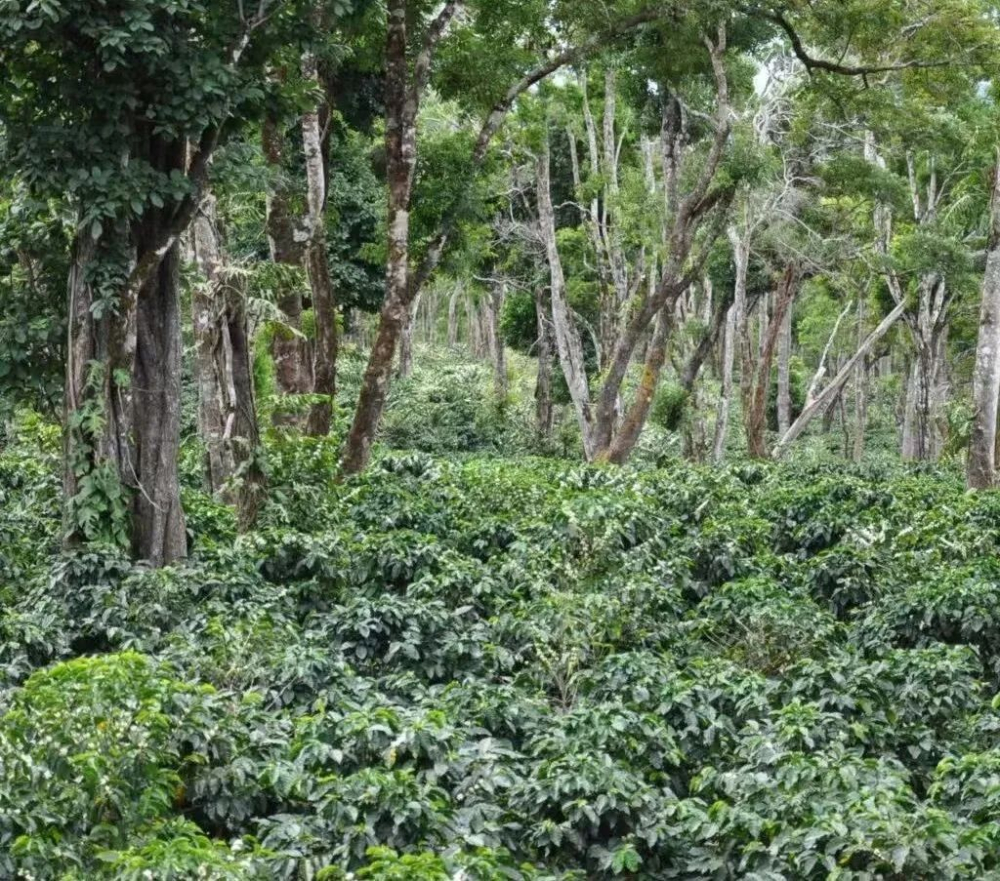
All of Hacienda Esmeralda’s growing areas are located in Panama’s famous Boquete region, which lies within the Chiriquí province in the western part of the country, adjacent to the active Volcán Baru. Boquete is renowned for its fertile volcanic soil, abundant rainfall, significant diurnal temperature variation, and diverse microclimates — an ideal environment for cultivating high-quality coffee. Even though it may not be as famous as Geisha, Diamond Mountain Catuai also benefits from these exceptional geographical conditions, coupled with Hacienda Esmeralda’s rigorous cultivation and post-harvest management, resulting in excellent cost-performance and stable flavor expression.
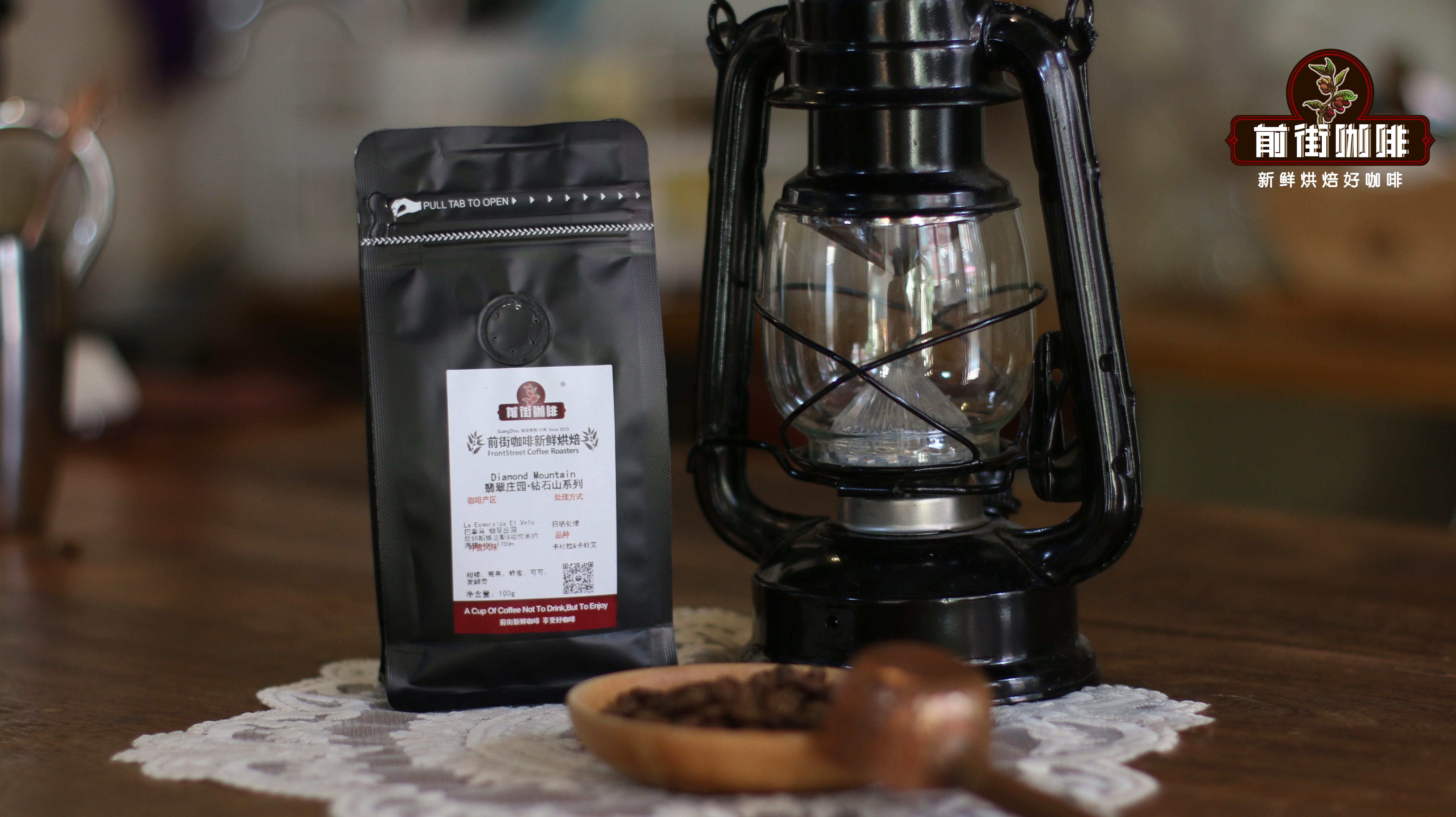
Although Diamond Mountain Catuai does not have as complex a grading system as Geisha, its origin in high-altitude, premium microclimates, combined with traditional natural processing, gives the coffee distinct sweetness and fruity notes. According to actual cupping feedback, this particular offering, after being processed by a certain coffee shop using traditional natural methods, exhibits a clear flavor profile: slight fermentation notes bring out tropical fruit characteristics, with bright acidity offering a refreshing citrus sensation, accompanied by nutty and honey-like sweetness. The overall mouthfeel is smooth and rounded, with a soft cocoa note in the aftertaste — making it highly suitable for coffee lovers who enjoy balanced flavors and layered complexity.

For this Diamond Mountain Catuai traditional natural lot, a certain coffee shop provides the following practical pour over recommendations to help fully showcase its flavor potential:
Equipment recommendation:V60 dripper, model #01
Water temperature control:90–91°C (avoid excessive heat to prevent over-extraction, which can affect the balance of acidity and sweetness)
Coffee-to-water ratio:1:15 (recommended to use 15 grams of coffee grounds with a total of 225 grams of water)
Grind size:Medium-fine grind, measured using a Chinese standard No. 20 sieve, with about 80% passing rate (texture close to fine sugar)
Pour over technique (three-stage extraction):
1. First, pour 30 grams of hot water for blooming, for about 30 seconds, to help awaken the coffee and release aroma.
2. Then, pour water in small circles, and when the total water volume reaches 125 grams, perform the first pour split. Pay attention to the speed of water level drop to avoid it being too fast or too slow.
3. When the water level is about to expose the coffee bed, pour again in circles until the total water volume reaches 225 grams, then wait until the water level is about to expose the coffee layer again before removing the dripper to end extraction.
4. It is ideal to control the total extraction time to around 1 minute and 55 seconds, with minor adjustments to water flow and pause times as needed.
The focus of these parameters is to balance water temperature, grind size, and pouring rhythm to fully bring out the sweetness, fruity notes, and body of Catuai. Suitable for reproduction using home pour over equipment, this also serves as a solid starting point for coffee beginners.
The above content is compiled by CoffeeHunters, a coffee news website.


