







Introduction:Whether a pour over coffee tastes good or not hinges on whether the extraction is just right. This article will start from actual flavor performance to teach you how to judge whether a coffee is over-extracted or under-extracted by observing the sequence in which acidity, sweetness, and bitterness are presented. We’ve also compiled common causes of mistakes—such as improper water temperature settings, mismatched grind sizes, and deviations in pouring and brewing time—and provided intuitive adjustment suggestions to help you get closer to ideal extraction every time you pour over, consistently serving up a cup that’s balanced and full of layers.
The charm of pour over coffee lies in its ability to extract the most fascinating flavor layers of coffee beans through fine-tuned parameters. However, many coffee enthusiasts often face two extremes when trying it for the first time: under-extraction, making the coffee taste sour and thin; or over-extraction, bringing unpleasant bitterness and off-flavors. Being able to judge the extraction status from the actual taste of a cup of coffee and then make adjustments is a basic skill every pour over enthusiast should master.
Let’s start with taste. Generally speaking, the release of various flavor compounds in coffee follows a certain order: volatile compounds related to acidity usually dissolve first, followed by neutral compounds that bring sweetness and body, and finally the large-molecule bitter compounds. Therefore, when under-extracted, often only the early-stage acidic compounds are dissolved, while sweetness and body have not yet been released, resulting in an unbalanced overall flavor.
An under-extracted pour over coffee often carries sharp fruity acidity, an uncoordinated raw astringency, and may even subtly present a salty taste. Such coffees usually have weak aromas, lack layers upon entry, and have short aftertastes. Especially with light roast beans, if extraction is insufficient, their inherent roughness and under-ripeness can be amplified; whereas dark roast beans, if not extracted properly, may taste watery, lacking the expected caramel notes and sweetness.
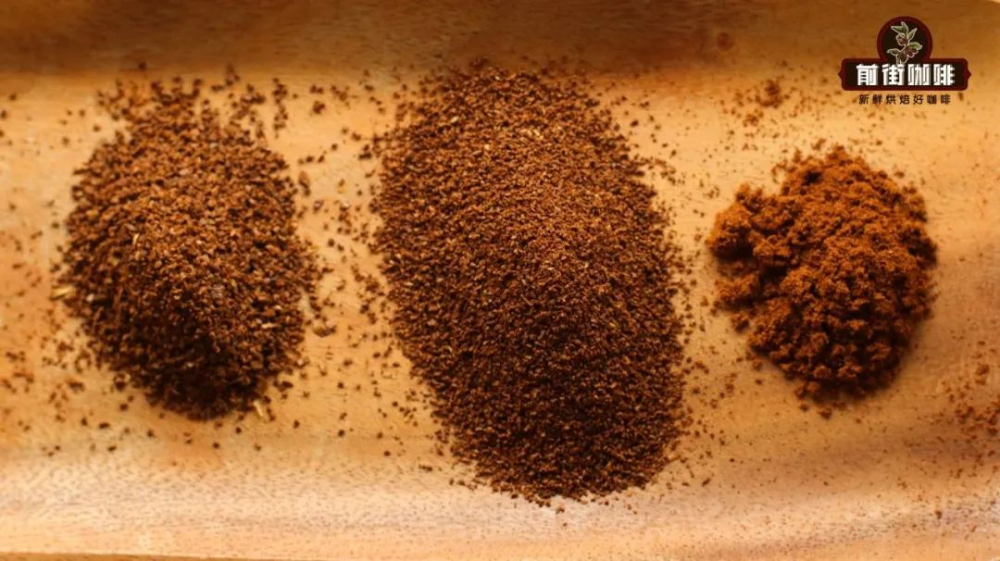
Common causes of this include too coarse a grind size, low water temperature, too short a pouring time, or insufficient total water volume. For example, some users, due to the habit of removing the filter cup prematurely during brewing, lose the tail-end extraction, leading to inadequate release of what should be sweet components, making the entire cup of coffee taste only acidic and lacking a rounded finish.
On the other hand, over-extraction is another common mistake. When brewing time is too long, water temperature is too high, or grind size is too fine, hot water will overly release excessive large-molecule substances in the coffee grounds, such as excess bitter compounds and woody fibers. Such coffee often tastes noticeably bitter upon entry, accompanied by astringency, woody tones, and even off-flavors reminiscent of straw, significantly diminishing the overall drinking experience.
These negative flavors mostly stem from too much fine sediment, excessively long steeping time, or improper water temperature control. Especially when brewing at home, if the stability and flow rate of pouring aren’t carefully managed, it’s easy to unconsciously extend the brewing time, leading to over-extraction. Additionally, if the filter cup structure leads to uneven water flow, it may also cause certain coffee grounds to be overly soaked, further worsening the extraction outcome.
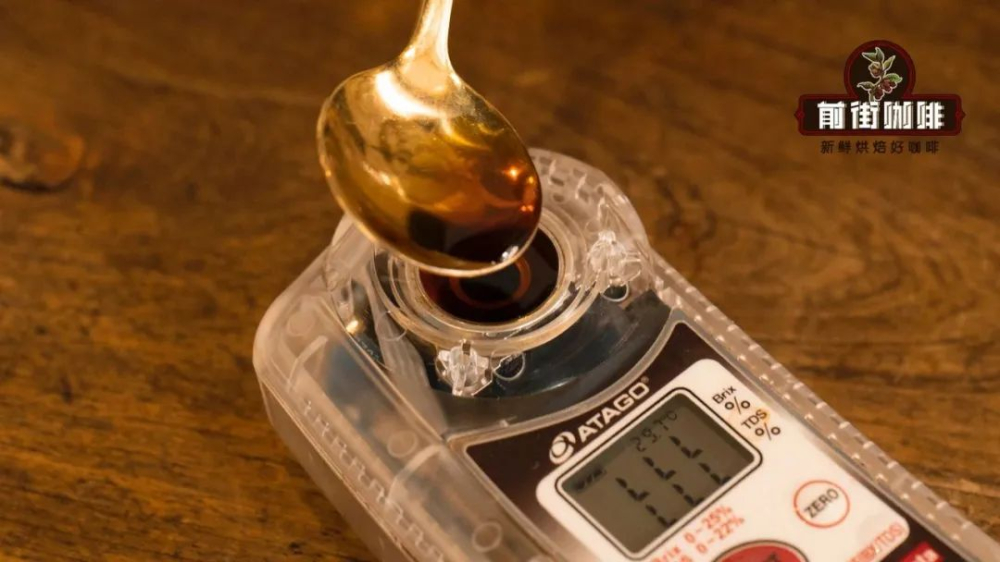
It’s worth noting that although the industry often refers to the so-called "Golden Cup Standard," which considers an extraction yield between 18% and 22% as the ideal range, in practice, this figure is not absolute. In many cases, even if the extraction yield falls within this range, it may still result in poor flavor performance due to differences in the flavor compound composition of the beans themselves. Similarly, sometimes an extraction yield exceeding 22% might still taste smooth due to various conditions being well-aligned.
Therefore, rather than obsessing over numbers, a more practical approach is to judge whether extraction strategy adjustments are needed based on actual flavor feedback. When you find a coffee tasting overly acidic, lacking sweetness, having thin layers, or an unsatisfactory aftertaste, you can preliminarily determine that it may be under-extracted. At this point, you can try using a finer grind, slightly increasing the water temperature, or extending the pouring and steeping time to promote the release of more flavor compounds.
Conversely, if the coffee tastes noticeably bitter, astringent, with woody or off-flavors, then it’s likely a sign of over-extraction. In this case, consider switching to a coarser grind, lowering the water temperature, or shortening the total extraction time. Additionally, many users find that even if the coffee doesn’t exhibit obvious negative flavors, but the overall impression is flat, the flavors are not distinct, and there’s an unwanted hint of bitterness in the throat, they can try adding 10–20 ml of bypass water to reduce overall concentration and make the flavors clearer.
In any case, the key lies in adjusting through actual tasting, combined with an understanding of various parameters (such as grind size, water temperature, coffee-to-water ratio, pouring technique and time, etc.) to gradually find the optimal extraction conditions that suit your taste and the beans you’re using. Remember, the charm of pour over coffee lies in this hands-on fine-tuning and the careful experience it offers.
The above content is compiled by CoffeeHunters, a coffee news website.


