







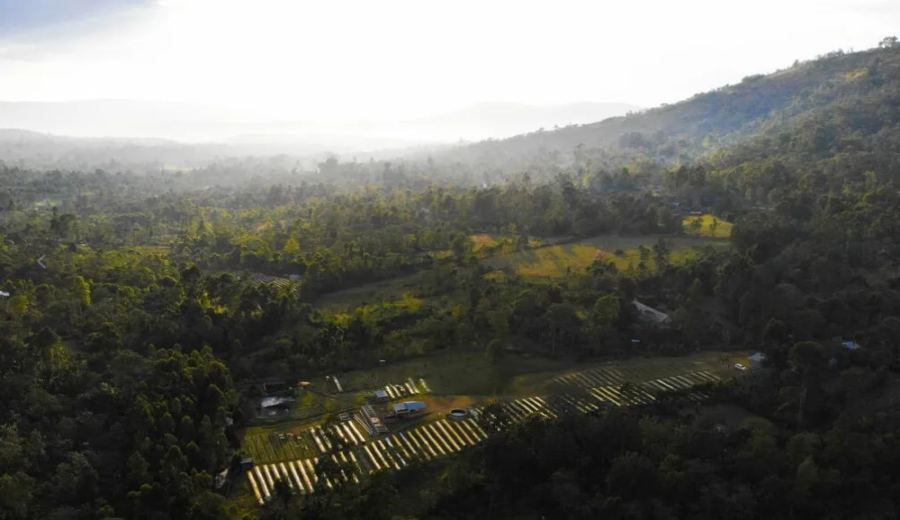
Introduction:The Chaka lot from Ethiopia’s Gesha Village Coffee Estate is the go-to choice for many coffee enthusiasts seeking an accessible entry point into the world of Gesha. This high-value blend consists of three varieties—Gesha 1931, Gori Gesha, and Irgachefe 1974—and makes up 70% of the estate’s annual production. With stable supply and rich flavor complexity, this article will delve into the origins, varietal characteristics, and actual brewing performance of the Chaka lot to help you better understand this classic blend from the Bensa region.
Ethiopia is considered the birthplace of coffee—not only home to numerous native varieties but also a major global supplier in the coffee trade. With over four million farmers engaged in coffee cultivation, the country mainly focuses on forest coffee and garden coffee, with only about 10% reaching estate-level quality. Among these, Gesha Village Coffee Estate in the Bensa region stands out for its dedication to cultivating and processing the Gesha variety.
Spanning 500 hectares, this large-scale estate features its own processing facility and laboratory. Drawing inspiration from the grading systems of renowned Panamanian estates, the estate categorizes its coffee into five lots: Auction, Gold, Red, Green, and Chaka. Among them, the Chaka lot stands out with its exceptional cost-performance ratio and consistent availability, making it a bridge for many consumers to experience the flavors of Gesha.
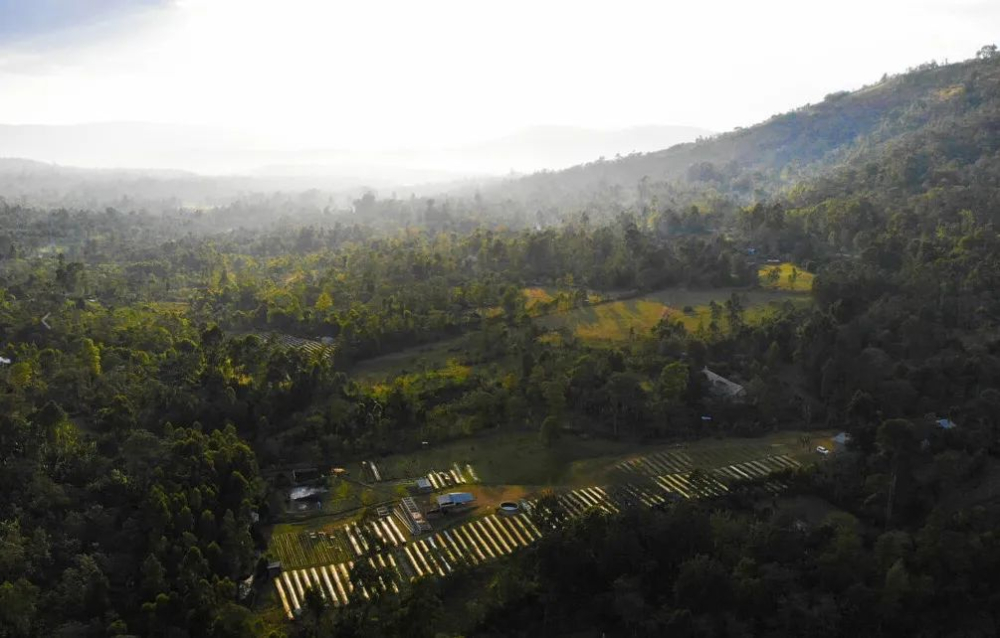
The Chaka lot is actually a carefully crafted blend that combines three major varieties—Gesha 1931, Gori Gesha, and Irgachefe 1974—accounting for 70% of Gesha Village’s annual output. This combination not only enhances flavor complexity but also ensures a stable supply to meet the ongoing market demand for Gesha profiles. Compared to other single-origin, single-variety premium lots, the Chaka lot emphasizes overall performance and high cost-effectiveness, making it ideal for everyday enjoyment or for coffee lovers trying Gesha for the first time.
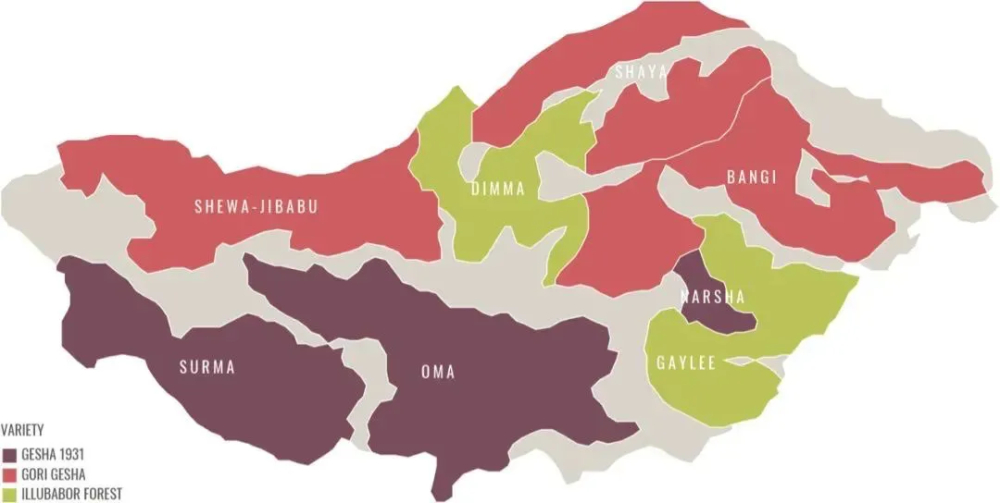
Gesha Village is divided into eight blocks, each cultivated with different Gesha varieties based on microclimate and soil characteristics. Gesha 1931 was discovered by estate founder Adam Overton and his wife in an area called Gesha Village when they were establishing the estate. In appearance, cup profile, and genetic analysis, this variety closely resembles the famous Gesha from Panama, hence it was named “Gesha 1931” to honor the year 1931 when Gesha was first discovered.
Another variety—Gori Gesha—was found by the estate team approximately twelve miles from the estate in the Gori forest after the estate’s establishment. This variety, closely resembling Gesha, was introduced to the estate and named “Gori Gesha,” adding more unique aromatic and acidic notes to the Chaka lot.
The third variety, Irgachefe 1974, has a different background. Discovered in 1974 by the Ethiopian Coffee Research Center in the Irgachefe forest, this variety exhibits strong disease resistance and adaptability to the region’s variable environment. Notably, this variety is currently only cultivated and processed at Gesha Village Coffee Estate, further enhancing its rarity.
In Gesha Village’s grading system, the Auction, Gold, Red, and Green lots typically come from single plots and single varieties, complete with full traceability information—making them ideal for coffee enthusiasts who pursue ultimate flavor and origin stories. In contrast, the Chaka lot breaks away from singularity by combining beans from multiple plots across the estate and all three major varieties to create a balanced and representative blend. This blend not only showcases the signature floral, citrus, and tea-like notes of the Gesha series but also delivers a rounder mouthfeel and richer aftertaste through the complementary traits of the different varieties.
The term “Chaka” means “forest” in Ethiopia’s ancient language, symbolizing that this blend originates from the pristine forests surrounding Gesha Village. This not only echoes the estate’s geographical feature of being located on the edge of a highland forest but also metaphorically reflects the diverse and vibrant flavor characteristics of the Chaka lot, much like a forest.
For coffee enthusiasts who wish to explore the flavors of Gesha without making a high-end investment upfront, the Chaka lot is a highly approachable and recommended option. In terms of brewing, it is recommended to use a medium-light roast level, with grind size adjusted to medium-fine (e.g., fine sugar-like particles for pour over), water temperature maintained between 90–93°C, and a pulse pouring technique employed to fully highlight its floral-fruity aroma and bright acidity. Whether you prefer a vibrant acidity or a fuller body, this blend offers a well-balanced experience.
In summary, the Chaka lot from Gesha Village Coffee Estate is not just a high-cost-performance choice but also an excellent entry point to experiencing the diverse profiles of the Gesha series. Through the artful blending of three key varieties, this coffee showcases the rich potential of Ethiopian beans, allowing more people to enjoy the distinctive charm of Gesha from the birthplace of coffee in a more affordable way.
The above content is compiled by CoffeeHunters, a coffee news website.


