







Introduction:Take an in-depth journey to the birthplace of coffee—Ethiopia’s Kafa Forest—to discover how this wild Arabica genetic treasure trove preserves diversity through forest-grown cultivation. From historical context and geographical environment to coffee variety characteristics, gain insight into one of the world’s most important coffee origins and its profound influence on modern coffee flavors.
Ethiopia is hailed as the cradle of coffee, and its diverse cultivation methods—including home gardens, plantations, and forest cultivation—have laid the foundation of today’s global coffee culture. Among them, the forest cultivation practiced in the southwestern Kaffa Zone is not only where coffee was first discovered but also harbors a rich array of wild Arabica varieties. It is estimated to contain approximately 5,000 coffee tree genotypes, making it one of the most significant existing Arabica genetic repositories.
In Ethiopia, home garden cultivation is the most common form. Farmers typically grow coffee trees around their homes or within mixed-use farmland, and the harvested cherries are sent to nearby processing stations or cooperatives. This method is simple and widespread, accounting for about half of the country’s total coffee production. In contrast, plantation cultivation, though featuring dedicated facilities and meticulous management similar to the renowned Gesha Village model, makes up only about 10% of the total and remains relatively rare.
What truly sets the Kafa region apart is its unique tradition of forest cultivation. Here, coffee trees are not densely planted by humans but naturally scattered across primary or secondary rainforests, coexisting with a variety of other plants to form a stable ecosystem. When coffee fruits ripen, animals or natural forces disperse the seeds, allowing coffee trees to reproduce on their own across vast forested areas, resulting in high genetic diversity.
The name Kafa Region originates from the ancient Kingdom of Kaffa, which was incorporated into the territory of the present-day Ethiopian Empire in the late 19th century. Early coffee grew naturally in the southern tropical rainforests rather than being cultivated by humans. However, with agricultural expansion and deforestation, this wild coffee habitat once faced serious threats. According to the United Nations Food and Agriculture Organization (FAO), between 1988 and 2008, approximately 11,000 hectares of forest in the region were lost to development and erosion each year.
To protect this precious natural heritage and source of coffee genetics, the local government designated the area as the Kafa Biosphere Reserve, covering a total area of about 760,144 hectares, over 50% of which consists of dense forests, approximately 422,260 hectares. This reserve not only safeguards wild coffee trees but is also surrounded by several national parks, including the Gesha National Forest Reserve to the west—home to the famous Panamanian Geisha variety.
The ecological environment of the Kafa Forest is similar to that of a typical tropical rainforest, featuring reddish soil, abundant rainfall, and rich vegetation. Notably, this vast woodland is home to a large number of wild Arabica coffee trees, primarily distributed at altitudes between 1,400 and 2,100 meters, growing naturally and exhibiting diverse varieties. These coffee trees rely on natural seed dispersal for reproduction, forming one of the world’s rare natural coffee gene banks, which holds irreplaceable value for global coffee variety improvement and research.
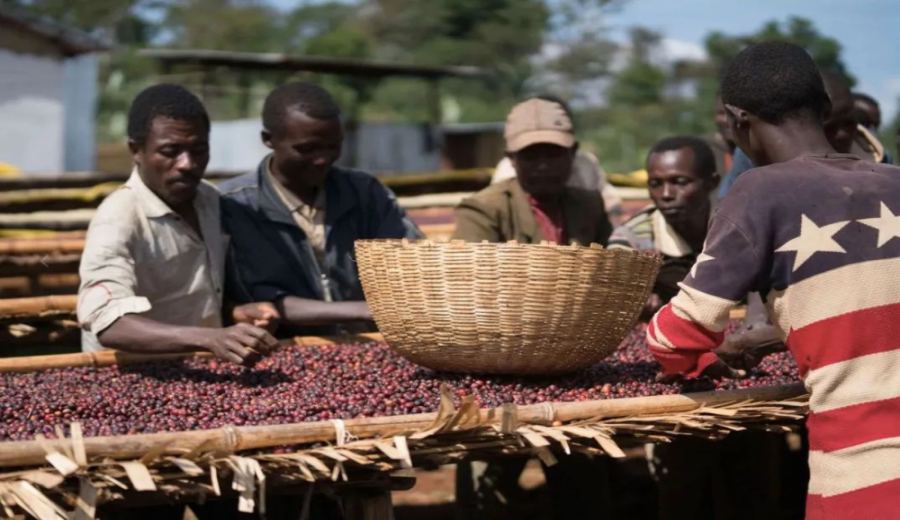
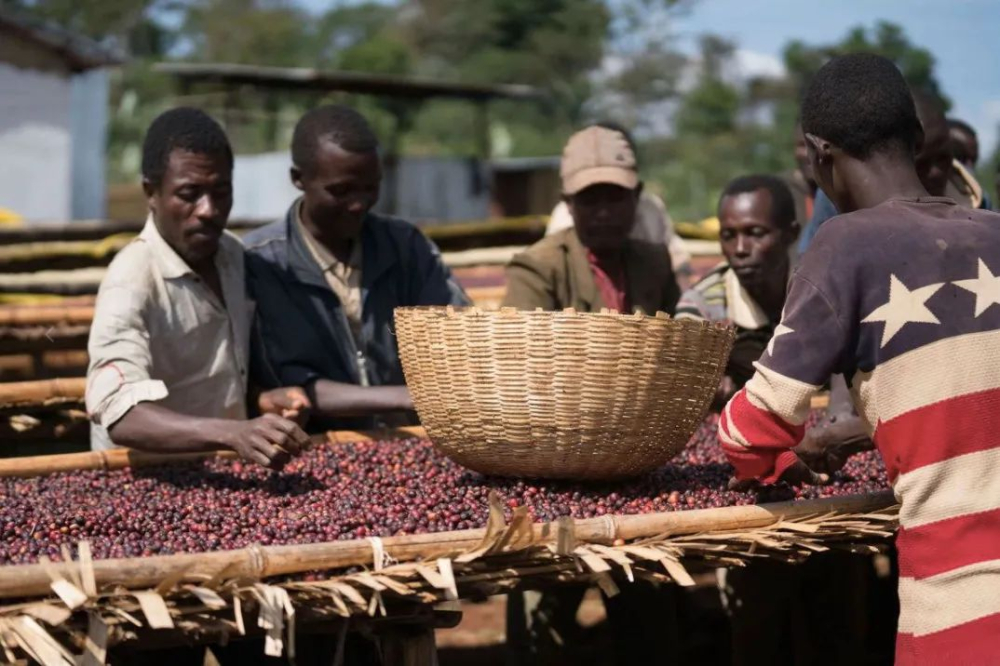
Currently, around 30 coffee producer cooperatives have been established around the Kafa Biosphere Reserve, responsible for collecting and processing coffee cherries harvested from the forest. These coffees are typically processed using traditional methods and retain the unique flavor profiles of their native varieties. For example, some washed Kafa forest coffee beans, after medium-light roasting, often exhibit bright floral notes, vibrant citrus acidity, along with delicate fruity aromas of sweet orange and bergamot, with a soft nutty finish. The flavor profile is layered and complex, reminiscent of the refreshing aftertaste of green tea.
In summary, the Kafa Forest is not only the sacred birthplace of coffee but also a living repository of modern coffee variety diversity. Through sustainable forest cultivation practices and rigorous conservation measures, this land continues to provide the global coffee industry with invaluable genetic resources and inspiration. It is also an essential chapter that every coffee enthusiast must explore to truly understand the origins of coffee.
The above content is compiled by CoffeeHunters, a coffee news website.


