








Introduction:Geisha coffee is renowned for its sky-high auction prices and unique flavor profile. But what exactly makes it a luxury item in the specialty coffee world? This article delves into the variety’s origin, the evolution of its growing regions, cultivation challenges, and the impact of auctions to analyze the multifaceted reasons behind its high price, while also guiding you through its flavor layers to appreciate the distinctive charm of this top-tier coffee.
Geisha (Geisha), a coffee variety originating from the Gesha Forest in southwestern Ethiopia, has now become one of the most prominent symbols of excellence in the global specialty coffee market. Especially at the Best of Panama (BOP) green bean auction in Panama, Geisha frequently sells for astonishing prices—often six to ten times higher than those of ordinary coffee beans. Even when purchased through regular retail channels, its price remains consistently high. What hidden factors lie behind such exorbitant prices?

Since the days of Blue Mountain coffee, Geisha can be considered the modern synonym for “high-priced coffee.” Whenever the BOP competition takes place, the auction prices of Geisha consistently break historical records. Even if one chooses not to participate in the auction and opts to buy directly through retail channels, its price is still several times higher than that of common coffee varieties. Many coffee enthusiasts can’t help but wonder: does Geisha’s high price rely solely on its outstanding flavor? Or are there other key factors at play behind the scenes?

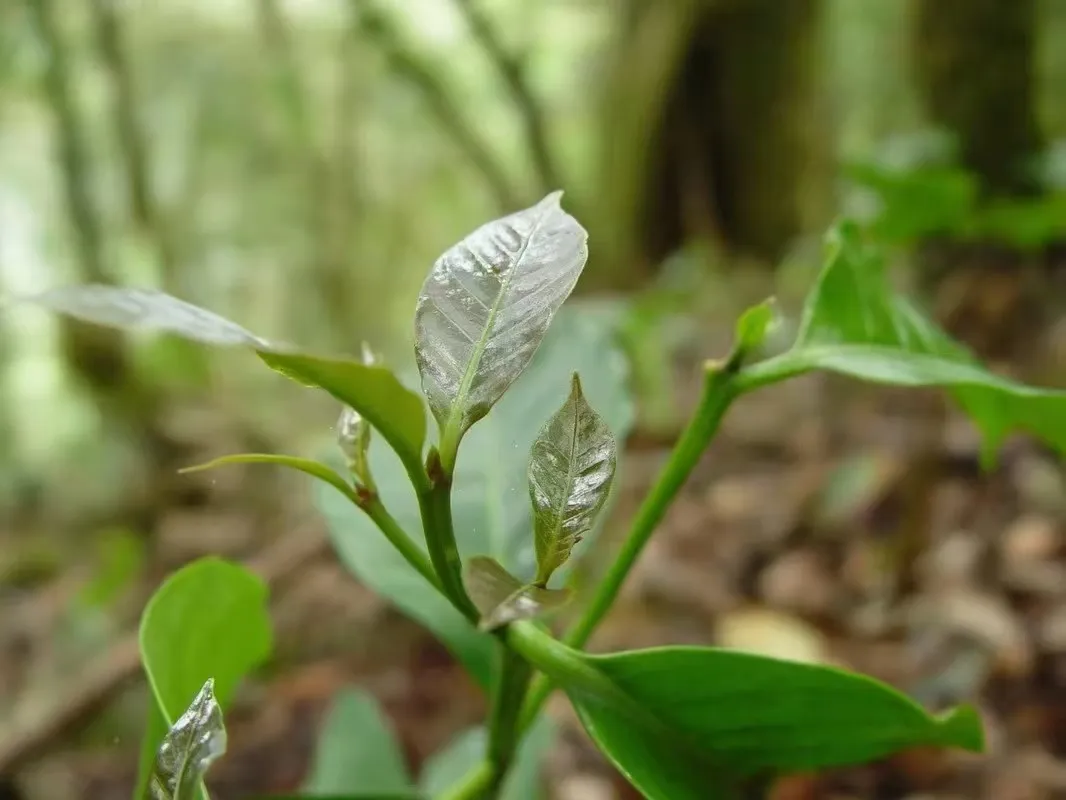
To answer these questions, we need to start with the “origins” of Geisha. The Geisha variety was first discovered in the Gesha Forest in Ethiopia, dating back to the 1930s. It was collected at the time and sent to research institutions, later spreading to countries such as Kenya, Uganda, and Tanzania, before finally finding the most suitable growing environment in Panama. What truly brought Geisha fame was the 2004 Best of Panama competition, where the Hacienda La Esmeralda estate from Panama won first place with this variety. Since then, the debate over Geisha’s “ownership” has never ceased—was it the result of Panama coffee farmers’ relentless pursuit of excellence, or was it the stunning comeback of an Ethiopian heirloom variety? From a botanical perspective, its place of origin is undoubtedly Ethiopia; but in the commercial history of specialty coffee, Panama is the stage where it truly rose to prominence.
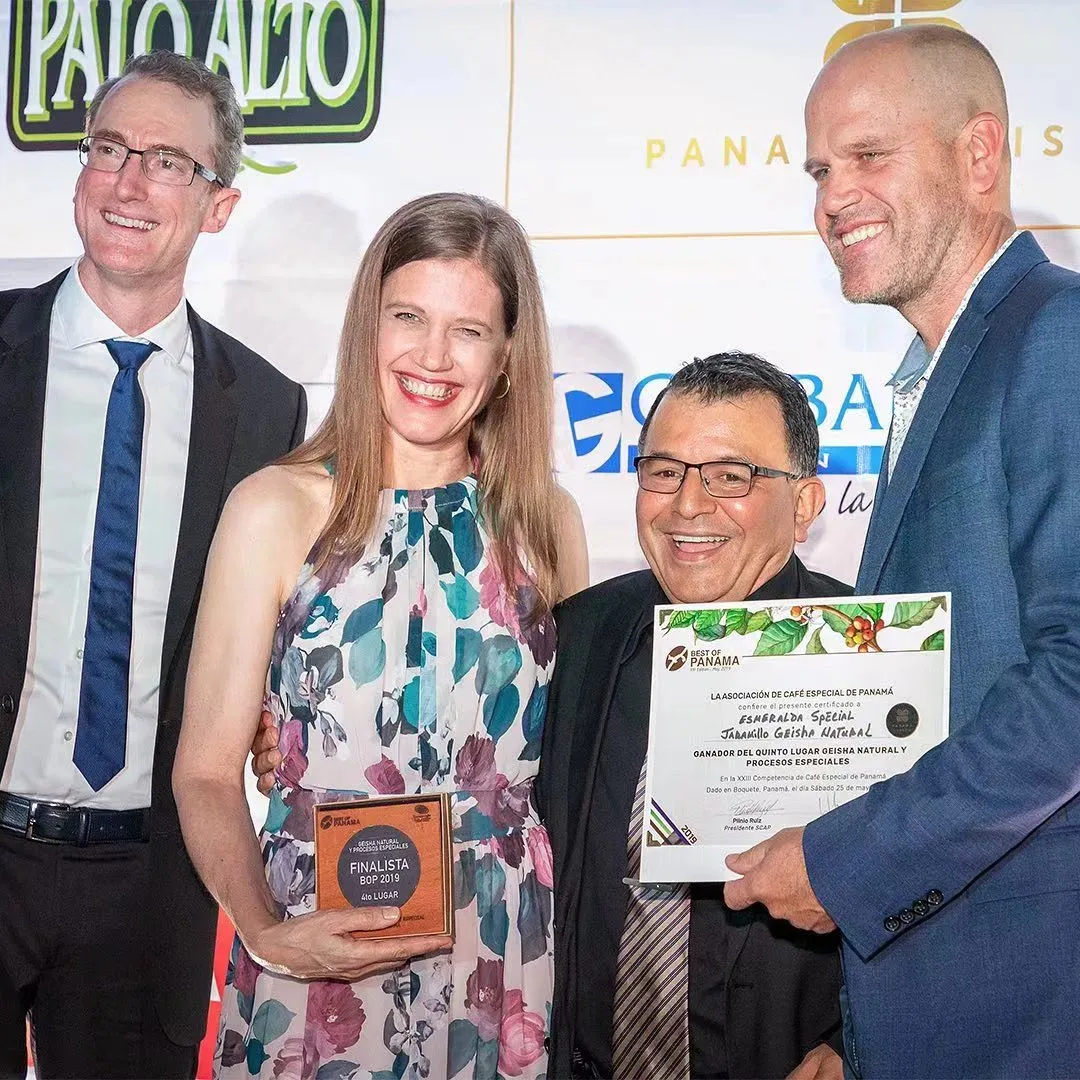
Many specialty coffee estates have long been dedicated to producing Geisha products from different growing regions and processed using various methods. Consumers can not only taste washed and natural lots from well-known Panamanian estates such as Hacienda La Esmeralda and Elida Estate, but also have the opportunity to experience the native Geisha from Ethiopia, tasting the diverse flavor variations from the East African highlands to the Central American volcanic belt. This cross-continental expression of the variety is key to why Geisha can present such complex and captivating aromatic profiles.
So, what exactly are the factors driving up the price of Geisha? First and foremost, itsextremely limited production. Geisha is highly demanding when it comes to growing conditions, thriving best at an ideal altitude range of1600 to 2000 meters, and requiring specific microclimates and shade cover. Even within the Boquete region of Panama, yields can vary greatly across different sections of the same estate. Secondly,harvesting and post-harvest processing costs are high. Because Geisha cherries ripen unevenly, skilled workers must handpick each cherry individually to ensure optimal harvest timing. During the washed or natural processing stages, even the slightest mistake can affect the final flavor outcome. Furthermore,the BOP auction mechanismalso plays a significant role. Each year, only a small number of micro-lots of Geisha qualify for auction, and the fierce bidding among global buyers often results in prices that become the “anchor” for market references, thereby further driving up overall market prices.
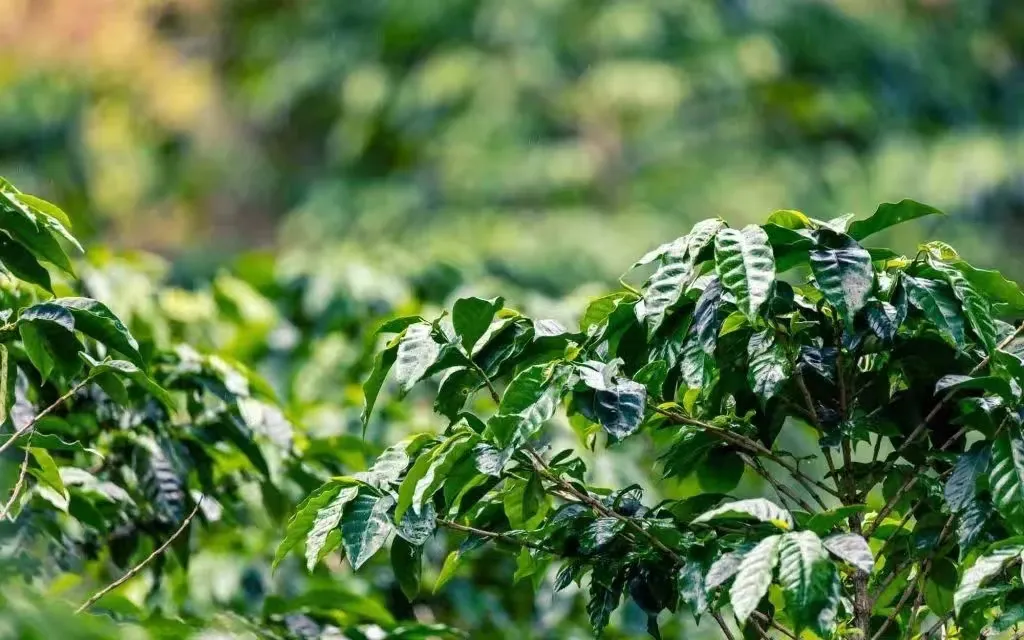
Of course, the most core reason is still Geisha’s unforgettableflavor profile. A high-quality cup of Geisha often exhibits a complex aroma layering of citrus, jasmine, bergamot, honey, and tropical fruits, with a bright and delicate acidity and a long, layered aftertaste. This highly distinctive sensory experience allows it to easily stand out in cupping sessions and also encourages consumers to pay a premium for this unique flavor.
All in all, the reason Geisha is so expensive is the combined effect ofscarce production, high-barrier cultivation conditions, meticulous post-processing procedures, auction effects, and exceptional flavor. It is both a gift of genetic heritage from the Ethiopian forests and the fruit of painstaking efforts by Panamanian coffee farmers. When you hold a cup of Geisha and savor its floral, fruity notes and vibrant acidity, you may come to appreciate more deeply the profound value behind this top-tier coffee.
The above content is compiled by CoffeeHunters, a coffee news website.


