








Introduction:In the world of specialty coffee, natural and washed are the two most classic processing methods. They not only influence the degree of fermentation of the coffee beans but also directly shape their unique flavor profiles. This article delves into the complete processing procedures of both methods—from pulping and fermentation to drying—compares how their flavors are formed, and offers practical methods for identifying green beans. Whether you're a beginner or an advanced enthusiast in pour over coffee, these details can help you choose and appreciate coffee more precisely.
In the specialty coffee field, Natural (日曬) and Washed (水洗) are two classic and widely used processing methods. They are not only key processes that transform coffee cherries into green beans, but they also largely determine the final cup’s flavor performance. Simply put, the essence of a processing method is to remove non-bean parts such as the skin, pulp, and mucilage from harvested coffee cherries, then dry them to a moisture level suitable for storage. However, it's the differences in these steps that give Natural and Washed beans distinctly different personalities—and experienced coffee lovers can often easily tell the processing method from just one sip.

Let’s first look at the washed processing method, which emphasizes precision and clean flavors. Typically, after harvesting, coffee cherries go through flotation to remove unripe or overripe beans. Then, machinery is used to strip away the outer skin and pulp, leaving the beans coated with mucilage. These beans are then placed in fermentation tanks where microbes break down the remaining mucilage layer—a step that usually takes between 12 to 36 hours depending on climate conditions. After fermentation, the beans should feel clean with a slightly rough texture, followed by washing to thoroughly remove any residual fermentation matter. Finally, the clean beans are evenly spread on raised beds or concrete floors and dried slowly in a shaded, well-ventilated environment until their moisture content drops to the ideal level of 11% to 12%.

In contrast, the natural processing method is more primal and relies heavily on natural conditions. After harvest, coffee cherries are typically not mechanically depulped but are instead dried along with their flesh and mucilage intact. To ensure even drying and prevent mold, the beans must be spread out in sunny areas and frequently turned. The entire process may take up to two to four weeks until the moisture content stabilizes around 11%. Because the flesh and mucilage remain in close contact with the beans during drying, the beans absorb more sugars and fruity aromas—resulting in Natural beans that exhibit richer, sweeter, and more complex flavors reminiscent of fruit jam or wine.

In terms of flavor characteristics, washed coffee generally displays higher acidity, clear fruitiness, and a good body. Its flavor profile tends to be brighter and more layered, with common descriptors including lemon, green apple, jasmine, and even hints of nuts or chocolate in the finish. The strength of this method lies in highlighting the intrinsic traits of the coffee variety while reducing the impact of regional and environmental factors on flavor. Meanwhile, natural processing tends to produce stronger sweetness, a heavier mouthfeel, and rich fruit notes—such as blueberry, tropical fruits, red wine, or even caramel-like aromas. The overall flavor is more expressive and layered, making it a favorite among many coffee enthusiasts who enjoy sweetness and complexity.
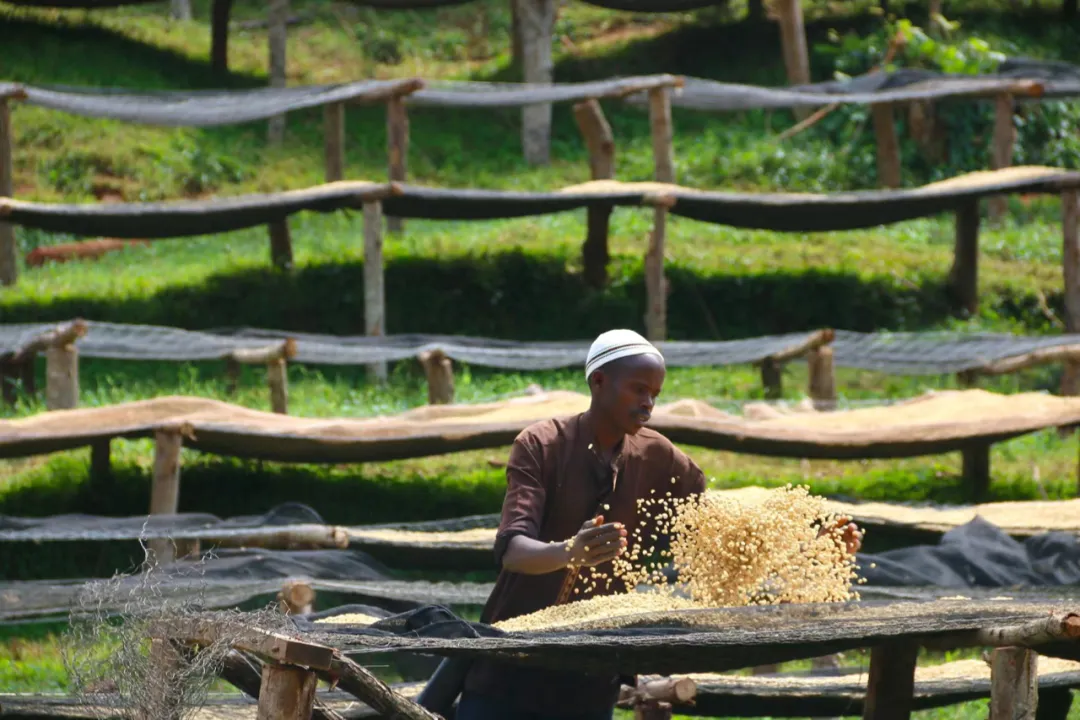
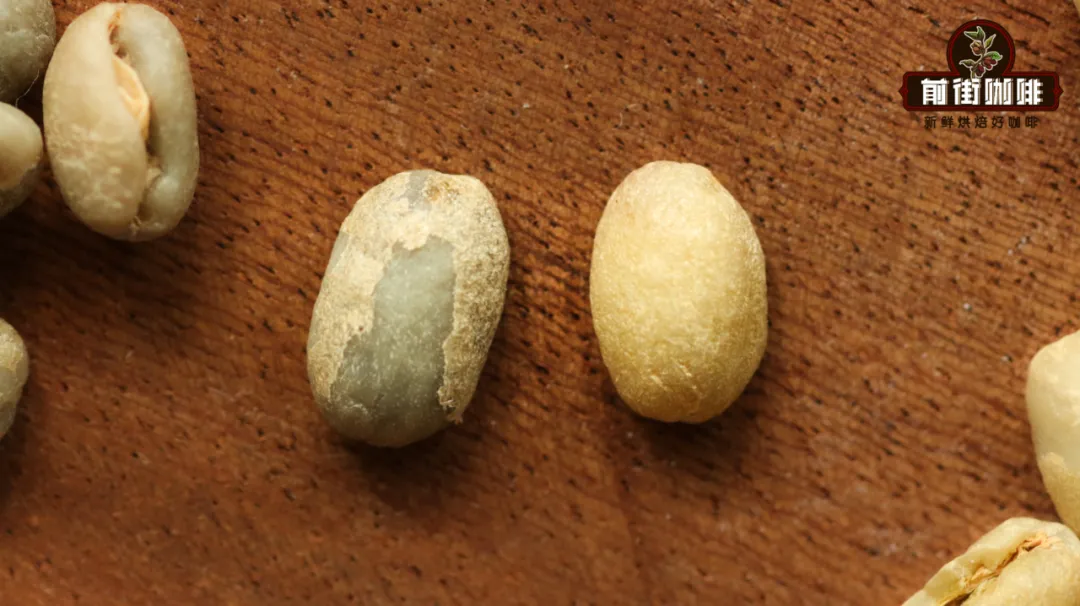
If you want to preliminarily identify the processing method based on the appearance of green beans, washed beans usually have a more uniform look, with colors leaning toward green or light green. Their surfaces are smooth and clean, with few impurities due to the washing and mechanical processing steps. On the other hand, Natural beans often have inconsistent coloration, with some beans showing yellowish-brown or reddish-brown hues. The bean surface may retain slight traces of mucilage or spots from uneven drying—these are marks of prolonged sun exposure and natural drying.
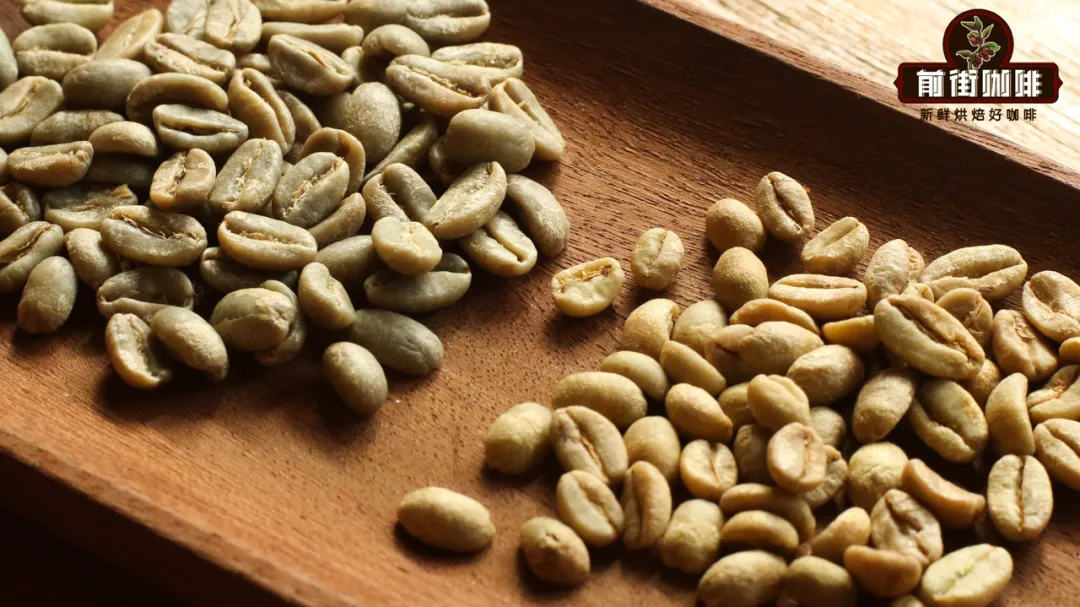
Additionally, brewing performance is also a key clue. Washed beans usually yield flavors that are clear and bright in acidity, making them suitable for medium-to-high temperatures and medium-fine grind settings. This allows vibrant fruit acids and a clean finish to shine. For Natural beans, it’s recommended to brew using medium-to-low temperatures and a slightly coarser grind to bring out their rich sweetness and layered fruitiness, while avoiding over-extraction that could lead to bitterness.
In summary, both Natural and Washed processing methods have their own unique charm and challenges. Whether you prefer the clean acidity and clarity of a washed profile, or the intense sweetness and fruity burst of a natural one, understanding these processing flows and the reasons behind their flavors can help you select the coffee beans that best suit your taste—and allow you to bring out their optimal potential during brewing.

The above content is compiled by CoffeeHunters, a coffee news website.


