








Introduction:Mocha coffee is not just a beverage but a multifaceted concept that blends history, culture, and innovative flavors. This article delves into the diverse definitions of mocha, including its historical origins, the allure of chocolate-flavored variations, the unique preparation method of salty mocha, and a detailed comparison between mocha and latte in terms of formulation, taste, and brewing techniques. Whether you’re a coffee novice or an enthusiast chasing flavor nuances, you’ll gain practical brewing inspiration and tasting tips.
In the world of Italian-style coffee, mocha is beloved for its distinctive combination of chocolate and coffee. This drink not only adds rich layers to the palate but also brings a touch of warmth and happiness to the autumn and winter seasons through its subtly sweet aroma. Just holding a steaming cup of mocha, with the warmth transferred from your palms, can easily soothe the soul.
However, the term "mocha" actually encompasses quite a diverse range of meanings. It originates from the port of Mocha in Yemen, carrying the legacy of ancient coffee trade history. It’s also commonly used to describe flavored coffee with added chocolate. Additionally, the strong coffee extracted using a moka pot is also categorized under mocha. In recent years, salty mocha has become a popular variation, cleverly introducing a touch of salt to the otherwise sweet base, creating a distinctly contrasting flavor profile that has sparked curiosity and discussion among many coffee lovers.

To many, mocha and latte may seem similar—both are combinations of coffee and milk—but they actually differ significantly in formulation ratios, milk foam handling, and the final texture and taste. Understanding these details can help you choose your preferred flavor more precisely and make more suitable adjustments when making coffee at home.
This article will guide you from the basic definition of mocha, progressively analyzing its historical background, the principles behind chocolate flavoring, the preparation process of salty mocha, and a deep comparison between mocha and latte in terms of flavor profiles, concentration, and brewing techniques. Whether you aim to enhance your coffee knowledge or hope to replicate café-quality mocha at home, you’ll find useful information and concrete reference suggestions here.

First, to understand mocha’s multiple identities, we must trace back to its historical roots. The term "mocha" was originally closely associated with the port of Mocha in Yemen, a key hub for coffee exports in the past. As a result, coffee beans from this region were called mocha beans, known for their unique fruity acidity and spicy notes. Over time, "mocha" gradually became synonymous with coffee beverages that incorporate chocolate flavor, especially after the addition of cocoa powder or chocolate syrup, forming the sweet style familiar to us today.
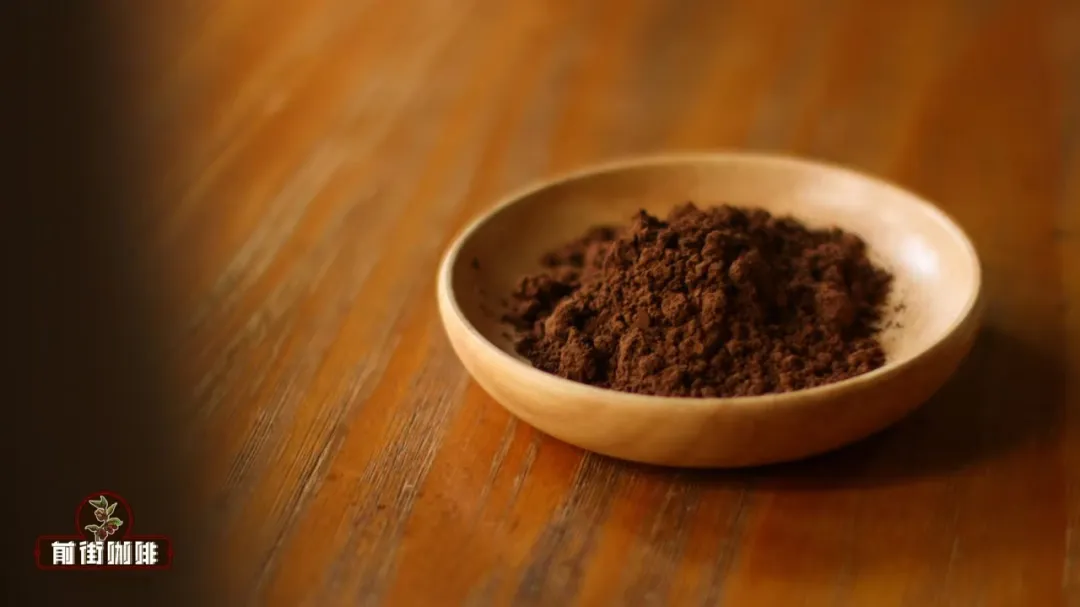
When it comes to making mocha, how the chocolate element is added is crucial. Generally, you can opt for high-quality cocoa powder or concentrated chocolate syrup, adjusting the ratio based on personal taste. It’s recommended to mix the chocolate component evenly into the espresso either before or after pouring the steamed milk, ensuring full flavor integration. By controlling the balance between sweetness and bitterness at this stage, you can create a classic mocha with rich layers of flavor.
Meanwhile, the recently emerged salty mocha introduces an innovative twist by adding a very small amount of sea salt or rock salt to the traditional sweet mocha. This creative combination effectively neutralizes excessive sweetness and enhances the overall depth and complexity of the flavor. Many baristas suggest sprinkling a pinch of salt after mixing the coffee and chocolate, gently stirring to blend the flavors, allowing you to experience the subtle contrast between salty and sweet. This approach not only enriches the taste bud experience but also showcases the technical finesse of flavor balancing.
When comparing mocha and latte, we find that although both use espresso and milk, their proportions and preparation methods are vastly different. Typically, mocha includes more chocolate components, resulting in a richer, dessert-like flavor, whereas latte emphasizes the velvety milk foam and smooth mouthfeel, with the characteristics of the coffee itself being relatively more subdued. Additionally, mocha often features chocolate sauce decoration or an extra sprinkle of cocoa powder on top, offering a dual delight of visuals and taste, while latte shines with its delicate milk foam texture and latte art.
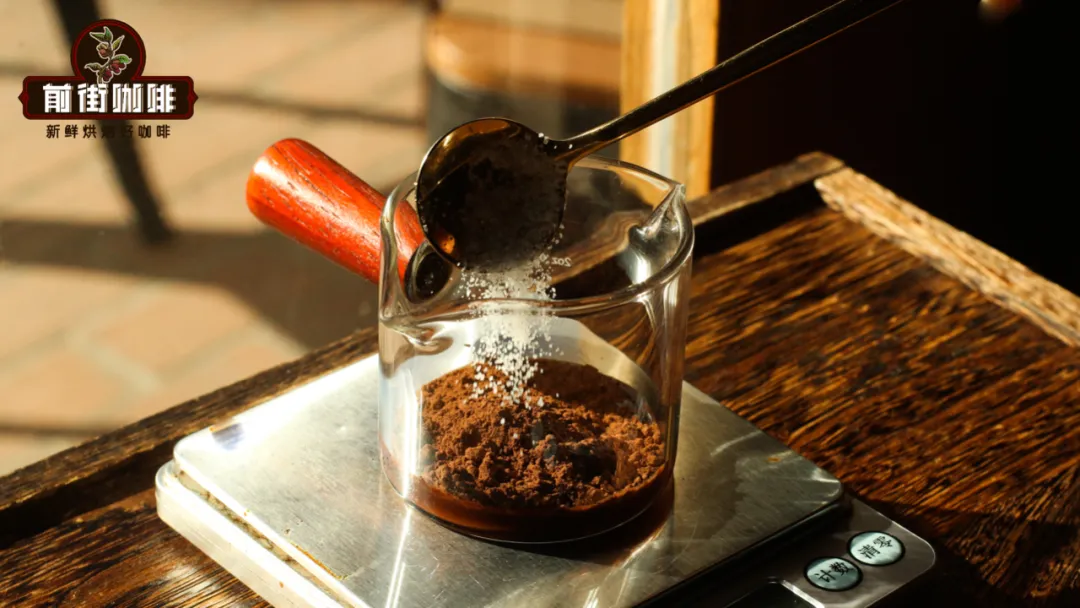
In actual preparation, the extraction parameters for moca and latte also vary slightly. Mocha usually requires a more intense coffee base to support the heaviness of the chocolate, so a finer grind size and moderate water temperature are recommended to ensure the brewed coffee has sufficient body and flavor strength. On the other hand, latte places more emphasis on the temperature of the milk and the stability of the foam, typically using slightly coarser coffee grounds and a lower water temperature to achieve a smoother and more balanced overall taste.
In summary, whether you prefer the sweet and rich mocha or the gentle and smooth latte, understanding their respective characteristics and preparation details will allow you to have a deeper experience when tasting or making coffee at home. By adjusting the chocolate ratio, mastering the use of saltiness, and observing the texture of the milk foam and temperature control, you’ll be able to craft the coffee flavor that best suits your personal preference.








The above content is compiled by CoffeeHunters, a coffee news website.


