







Introduction:This article delves into the conflict between a franchisee of Heytea and the brand, focusing on core issues such as excessively high material pricing, unauthorized fines, and store subsidies. By analyzing the franchisee’s allegations and the brand’s response, it reveals the potential risks within the tea beverage franchise model and provides practical insights and risk-avoidance advice for entrepreneurs interested in the coffee and tea industry.
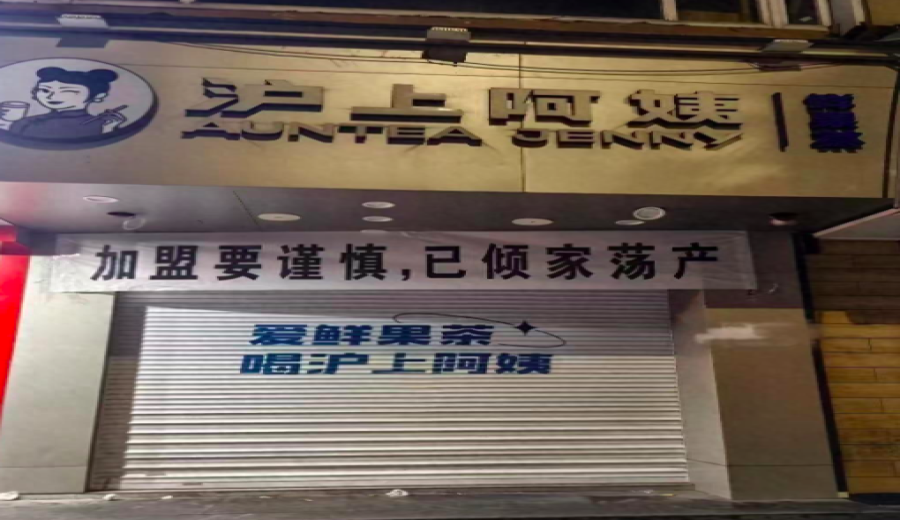
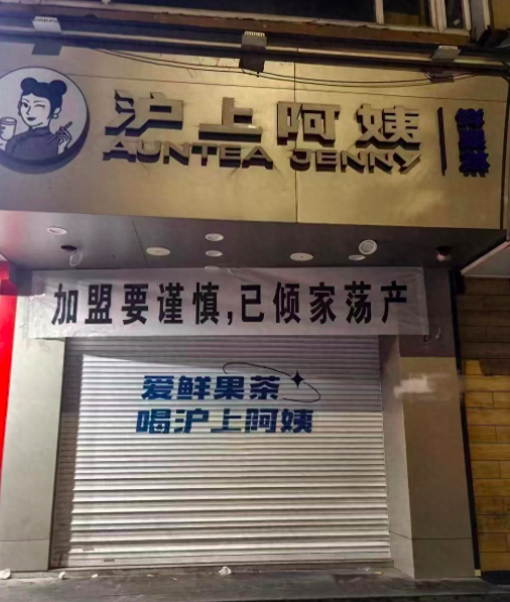
Recently, a banner hanging in front of a Heytea franchise outlet in Ningbo, Zhejiang, stating “Franchise with caution — I’ve lost everything” quickly became a focal point of public attention. The franchisee accused the brand of imposing heavy fines for sourcing materials externally, which ultimately led to the unilateral closure of her three stores. The brand, however, emphasized that the closures were primarily due to poor business performance and not directly related to company policies. This dispute not only highlights conflicts within the franchise system but also draws attention to how high material costs and fine mechanisms in the tea beverage industry impact store viability.
It is understood that the franchisee signed the Heytea franchise agreement in August 2022. Initially optimistic about the brand’s growth potential, she opened four outlets in Ningbo within two years. However, she later began purchasing fruits and other materials from external channels to cut costs. After being discovered by the brand, she was heavily fined. The franchisee revealed that fruits supplied by the brand were nearly twice the market price. To save expenses, she opted for external procurement, resulting in a total fine of 15,000 yuan across her three stores.
Internal documents of Heytea circulating on social platforms show that the brand explicitly prohibits franchisees from purchasing third-party raw materials, with a fine of 5,000 yuan per store for violators. However, some franchisees pointed out that the brand later raised the fine to 20,000 yuan, further increasing operational pressure on stores. Despite the brand’s emphasis on compliance with food safety regulations and brand policies, some franchisees still resorted to external sourcing due to high material costs.
In response, the Heytea franchise manager stated in a media interview that the main reason for the franchisee’s store closures was poor management, not the brand’s fault. He noted that while the first store opened by the franchisee had been profitable, the second store she expanded into subsequently failed to generate profits. In an attempt to balance earnings, she even maxed out her credit cards to open a third store. The brand strictly prohibits opening stores with borrowed funds, and combined with inadequate management skills, this eventually led to losses across all three stores.
However, the franchisee disputed this explanation. She explained that she was forced to take out loans to cover fixed expenses such as rent due to the stores’ long-term lack of profitability, contrary to the manager’s claim that she used loans to open new stores. She further revealed that although a single store’s monthly revenue could reach 120,000 yuan during peak seasons, after deducting the 60,000 yuan cost of goods ordered from the company as well as expenses for rent, utilities, and labor, the gross profit was minimal.
Additionally, the franchisee criticized the brand for launching numerous promotional activities, such as buy-one-get-one-free deals, without the consent of franchisees and without providing corresponding store subsidies, which further exacerbated operational pressures. She emphasized that many franchisees, facing compressed profit margins, ultimately had no choice but to close their stores and exit the business.
As of October 23, the official Heytea customer service stated that the issue had been recorded and reported, but as of press time, the relevant person in charge had not responded to media inquiries. This incident not only reflects problems with material pricing and fine mechanisms within the franchise model but also serves as a case study for coffee and tea industry practitioners to reflect on operational risks.
For entrepreneurs considering joining a tea beverage brand, in addition to paying attention to brand recognition and market potential, it is essential to carefully evaluate details such as material costs, fine rules, and subsidy policies. High material prices and unreasonable fine mechanisms can become the final straw that crushes a store. Before signing a franchise agreement, it is advisable to thoroughly understand supply chain conditions, violation penalties, and brand support measures to reduce operational risks.
The above content is compiled by CoffeeHunters, a coffee news website.


