








Introduction:Every November, Starbucks’ iconic red cups arrive right on schedule, becoming a symbolic ritual for many coffee lovers to welcome the holiday season. However, this year, numerous customers reported inconsistencies in the distribution of the red cups—some stores generously handed them out, while others enforced strict rules, even denying them to those who bought extra drinks. These disparities have not only confused consumers but also sparked discussions about fairness. This article takes an in-depth look at the current state of red cup distribution and offers practical tips to help readers improve their chances of getting one.
As November arrives and the holiday spirit builds, Starbucks’ annual limited-edition red paper cups make their predictable debut. Since their launch in 1997, these red cups, appearing faithfully every November, have long transcended their role as mere coffee containers—they’ve become a symbol of the festive bond between the brand and its customers.
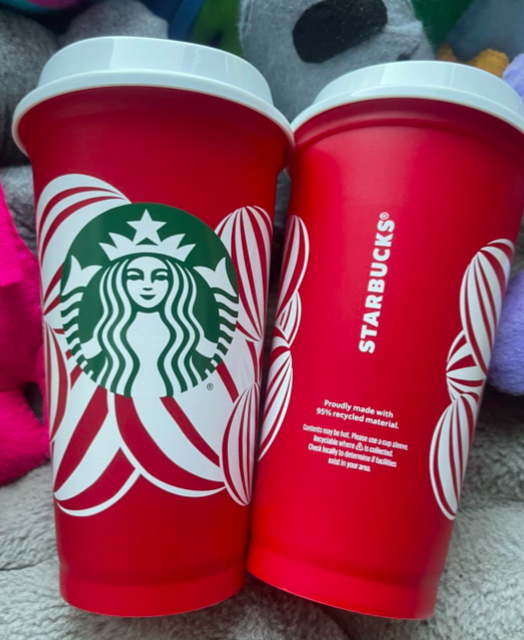
Many customers traditionally visit Starbucks on “Red Cup Day” to purchase designated drinks and receive these holiday-exclusive cups for free. This year, however, the actual practices across different stores varied drastically, leading to considerable controversy.
According to feedback from customers in multiple locations, some stores operated what felt like an “open distribution” policy during the promotion period—simply walking in could earn you a red cup, with some staff even proactively handing them out. Yet other stores took a strict stance, refusing to provide extra red cups even if customers bought additional drinks, leaving many who expected “buy more, get more” deeply disappointed.
One customer shared her experience: she followed the official rules by buying two qualifying drinks, expecting to secure a red cup without issue, only to find the store suddenly placing a box of red cups on the counter for customers to take freely. Even more surprising, when the staff noticed leftovers, they began handing them out table by table for free, allowing her to snag an extra one by sheer chance. She joked that showing up “too early backfired,” as arriving later might have gotten her a cup without spending a dime.
This inconsistency in enforcement across stores has left many customers puzzled and feeling treated unfairly. Particularly for those who studied the rules in advance or even traveled across regions to visit specific stores for the event, encountering a strictly managed outlet can be disheartening.
The issue isn’t limited to North American customers—shoppers across Asia are also paying attention. Many argue that if North American customers can get free red cups, loyal patrons in other regions deserve equal treatment, with some even suggesting the brand offer localized rewards, such as complimentary baked goods worth $24.9, to align expectations globally.
Industry observers note that Red Cup Day often falls just before Thanksgiving, when store traffic surges and employee stress spikes. Some outlets may adjust distribution methods flexibly to manage crowds, while others opt to strictly adhere to the basic rule of “only with a qualifying drink purchase” to avoid disputes.
Experts recommend that customers aiming to boost their odds of getting a red cup check ahead for local store policies or visit on the first morning of the promotion, when initial supplies are usually more plentiful. Additionally, maintaining politeness and understanding can lead to a smoother overall experience.
As an annual brand campaign, Starbucks’ red cups are meant to foster holiday cheer and show appreciation to customers. But in practice, balancing fairness with operational flexibility remains an ongoing challenge for the brand to refine.
The above content is compiled by CoffeeHunters, a coffee news website.


