







Introduction:The Indonesian coffee industry is facing one of its most severe challenges in recent years. As nationwide worker protests continue to escalate, harvesting and processing operations in major coffee-growing regions are experiencing significant disruptions. This article provides an in-depth analysis of the background of this social movement, its practical impact on the coffee supply chain, and potential risks that may unfold in the future, helping readers stay informed on the latest developments and uncertainties in Indonesia’s coffee-producing areas.
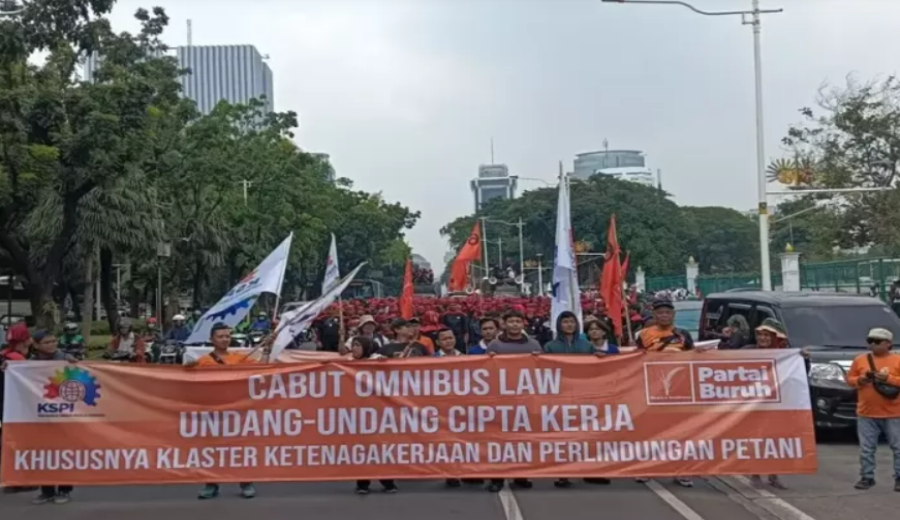
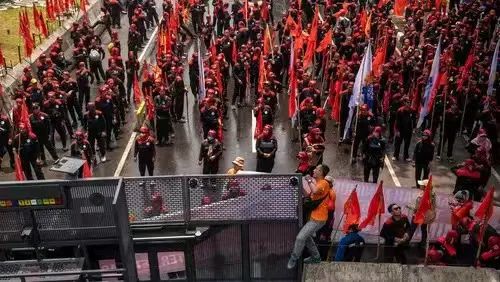
Recently, Indonesia has witnessed large-scale worker protests, with tens of thousands of workers gathering in the capital, Jakarta, to demand the government raise the minimum wage and repeal the controversial Job Creation Law. This wave of protests is expected to continue until October 31 and spread across all 38 provinces. Coinciding with Indonesia’s main coffee harvest season, this social unrest is having a notable impact on the coffee industry, with risks of disruption ranging from local processing to international logistics.
According to local Indonesian media reports, on October 24, a large number of workers gathered in Jakarta for peaceful demonstrations. Their main demands included an 8% to 10% increase in the minimum wage for 2025 and the complete revocation of certain clauses in the Job Creation Law related to employment clusters and farmer protections. To maintain order, authorities deployed over 1,200 police officers and implemented localized traffic controls. However, the Confederation of All Indonesian Trade Unions (KSPI) made it clear that workers’ primary concerns remain tangible wage adjustments and the protection of labor rights.
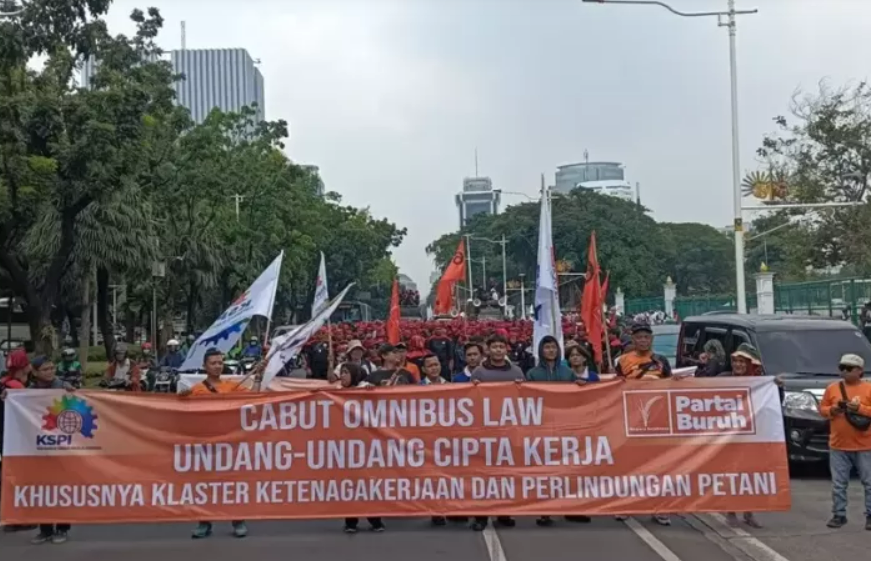
Over the past two years, the real income growth of Indonesian workers has lagged far behind the rate of inflation, leading to continuously rising living costs. The new government had initially planned to limit the minimum wage increase to below the inflation rate, a move that further intensified labor-management tensions. Facing the upcoming harvest season and the challenge of rising living expenses, workers have chosen to take collective action to ensure their rights are acknowledged.
The protests are not limited to Jakarta but are set to expand to more than 350 cities and regions, including West Java and the Riau Islands, with hundreds of thousands of workers and teachers expected to participate. Starting from October 25, major provinces such as Surabaya, Medan, and Makassar will simultaneously hold demonstrations, with the movement expected to continue through the end of the month. If core demands are not met, the scale of the protests could grow even larger.
It is worth noting that the Job Creation Law has been controversial since its passage in 2020. At the time, the Indonesian parliament amended 79 labor-related regulations, affecting as many as 1,200 specific clauses, with the goal of attracting foreign investment and promoting economic reform. However, the bill was criticized for favoring corporate interests at the expense of labor welfare and environmental protection. It triggered protests involving over two million people, led to clashes between police and civilians, and resulted in mass arrests, leaving a profound impact on multiple domestic industries.
Focusing on Indonesia’s coffee industry, the situation is equally grim. Years of adverse weather have led to a decline in coffee production, and rising domestic consumption has significantly reduced the volume of beans available for export. It is estimated that the total coffee bean production for the 2024/25 season in Indonesia will be around 10.9 million bags, with only about half earmarked for export, indicating that supply is already quite tight.
Now, with workers in major provincial capitals staging collective work stoppages, the operations of coffee processing facilities and logistics hubs have been hindered, directly affecting the processing, grading, and export of beans during the harvest season. Moreover, domestic transportation and trade have also hit bottlenecks, with some parts of the supply chain experiencing interruptions. At the same time, heightened tensions in the Red Sea region have driven up international shipping costs, further weakening the competitiveness of Asian coffee in the global market and reducing the willingness of traders to make purchases.
Although the protests have so far remained largely peaceful gatherings, if the government continues to offer no clear response, the situation could deteriorate and potentially escalate into larger-scale conflicts. In that case, not only will the coffee industry suffer more severe blows, but overall economic activity may also plunge deeper into difficulty.
The above content is compiled by CoffeeHunters, a coffee news website.


