







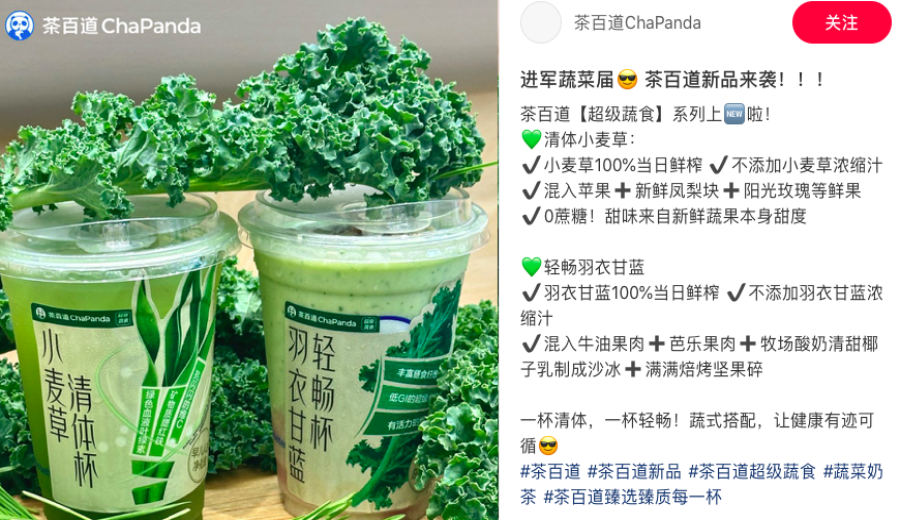
Introduction:As demand for healthier beverages rises, tea brands have been rolling out fruit and vegetable tea series. Recently, Tea BaiDao launched its "Super Veggie" series in 14 cities, among which the "Body Cleanse Wheatgrass" drink sparked heated discussion due to its use of fresh wheatgrass. This article delves into the unique formulation of this beverage, market response, and consumer concerns regarding food safety, helping readers understand the trends and considerations behind fruit and vegetable teas.
In recent years, the healthy beverage trend has continued to gain momentum, especially in the fruit and vegetable tea segment. Since HeyTea introduced its "Super Plant Tea" series, the market has seen a number of innovative plant-based drinks that have attracted health-conscious consumers. Recently, Tea BaiDao also launched its new "Super Veggie" series in 14 cities including Beijing and Shanghai, with one drink in particular — "Body Cleanse Wheatgrass" — quickly becoming the talk of the town due to its distinctive ingredient choice.
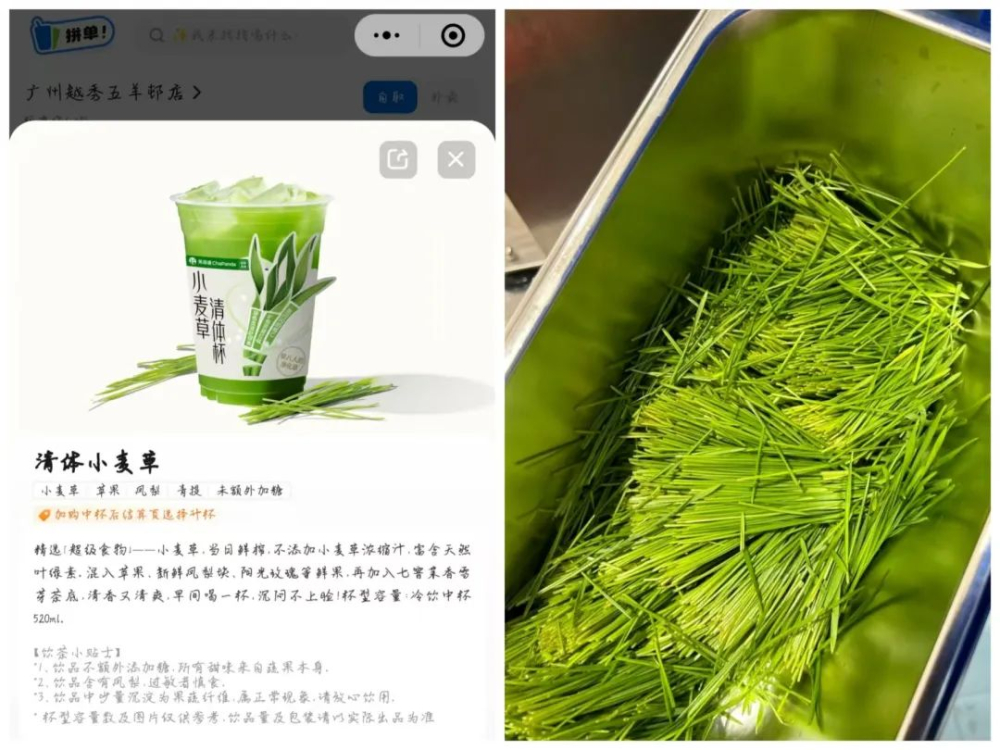
According to information from Tea BaiDao’s official mini-program, the "Body Cleanse Wheatgrass" drink combines fresh wheatgrass, apple, pineapple, and sunshine rose grapes, paired with a properly proportioned seven-infusion jasmine-scented snow bud tea. The brand specifically emphasizes that no wheatgrass concentrate is used. In addition, some kitchen staff shared photos confirming that large amounts of fresh green grass leaves were indeed used in the preparation, sparking curiosity among consumers.
As soon as this drink hit the market, it stirred up lively discussions on social platforms. Many netizens were surprised by the "true identity" of wheatgrass, leaving comments such as: "No wonder it looked so familiar — this is what I feed my cat!" "Isn’t this just wheat sprouts? I’ve got tons growing in my yard." "Isn’t this the grass they feed guinea pigs?" In fact, wheatgrass is simply the young shoots of common wheat, rich in chlorophyll and various vitamins, and has long been considered a staple in raw and living food diets.
Beyond human consumption, wheatgrass is also widely used in animal feed, prompting many netizens to joke: "In the end, we’re just competing with sheep for grass" and "Turns
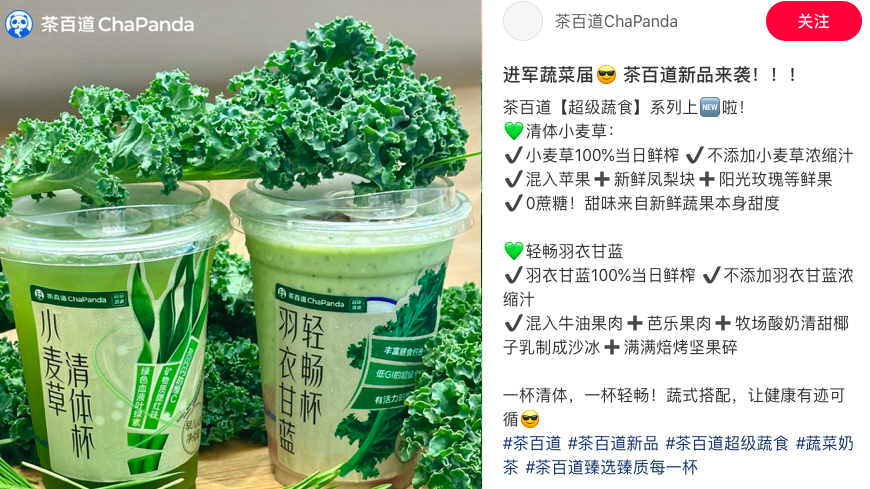
Although netizens humorously teased this "cat grass juice," it still attracted many consumers who were curious enough to try it themselves. According to feedback from the first batch of customers, the staff on-site juiced and filtered fresh wheatgrass, apples, and other ingredients, and the resulting drink had a relatively refreshing taste—not as hard to accept as expected. However, some consumers also raised concerns about the safety of using large amounts of fresh vegetables in the beverage.
As tea beverage brands continue to enter the fruit and vegetable drink market, the workload in the back kitchen has noticeably increased. In addition to the traditional tasks of brewing tea and mixing ingredients, staff are now also responsible for washing vegetables, cutting fruits, and other extra steps. One employee joked, "The prep area in a bubble tea shop is starting to look more like a restaurant kitchen—it could practically cook a full meal." This reflects the new challenges that current tea beverage businesses face in terms of backend operational processes and staffing, even as they pursue innovation and healthiness.
In addition, some consumers remain skeptical about the cleaning and handling standards of fresh fruits and vegetables, such as whether pesticide residues are thoroughly removed or whether they might contain insect eggs. Although brands emphasize that the ingredients are washed, some consumers believe that compared to traditional tea drinks, fruit and vegetable teas require stricter standards and transparency in food safety control to truly earn market trust.
Overall, ChaBaidao’s launch of the "Body Cleanse Wheatgrass" is not only an innovative product attempt but also reflects the broader trend in the tea beverage market toward pursuing health and natural ingredients. However, while catering to consumers’ health needs, how to balance food safety, staff operational burden, and consumer experience remains a key area where brands need to continuously improve.
In the future, as more brands join the fruit and vegetable tea segment, consumers will have more choices—but they will also need to understand more about ingredient sources and production processes to enjoy their drinks with both peace of mind and health benefits.
The above content is compiled by CoffeeHunters, a coffee news website.


