







Introduction:Have you ever imagined growing your own coffee beans and achieving "coffee freedom" right from the source? This article delves into the key differences between the two major coffee varieties, Arabica and Robusta, unravels the reasons behind the high price of Geisha coffee, and actually calculates how many coffee trees you’d need to plant to meet your daily coffee needs. Not only does it clear up common misconceptions, but it also provides practical reference data to help coffee lovers make more informed choices or plans for planting.
For many dedicated coffee enthusiasts, personally planting, harvesting, and roasting their own exclusive coffee beans is undoubtedly the most romantic ultimate goal in their coffee journey. However, before diving in, there are several foundational questions worth clarifying: What are the notable differences between the well-known Arabica and Robusta coffee varieties? Why can Geisha coffee, hailed as the "champagne of coffee," command shockingly high prices in the market? More importantly, if you truly want to meet your daily coffee needs through homegrown cultivation, how many coffee trees would be enough? This article will explore these questions in detail, using real data and practical experience to guide you through the key factors, helping you make more informed decisions when purchasing or planning your own coffee plantation.
First, the coffee tree species we often hear about can generally be divided into two main categories: Arabica and Robusta. These two types differ significantly in terms of plant characteristics, suitable growing environments, final flavor profiles, and even uses—differences that directly influence the quality and pricing of the coffee.
The Arabica variety is relatively more "delicate," preferring to grow at high altitudes with mild and stable climates, while also being more susceptible to pests and diseases, requiring more careful care. However, these conditions also result in typically finer cupping flavors, with bright acidity and rich aromatic layers, making it the preferred choice for many specialty coffees and pour over brews. In contrast, Robusta is highly adaptable, capable of growing in low-altitude and hotter environments. It not only boasts excellent disease resistance but also significantly higher yields. However, its flavor tends to be stronger and more bitter, often with woody or nutty notes. It contains roughly twice the caffeine content of Arabica, hence it is mostly used in espresso blends or instant coffee products.
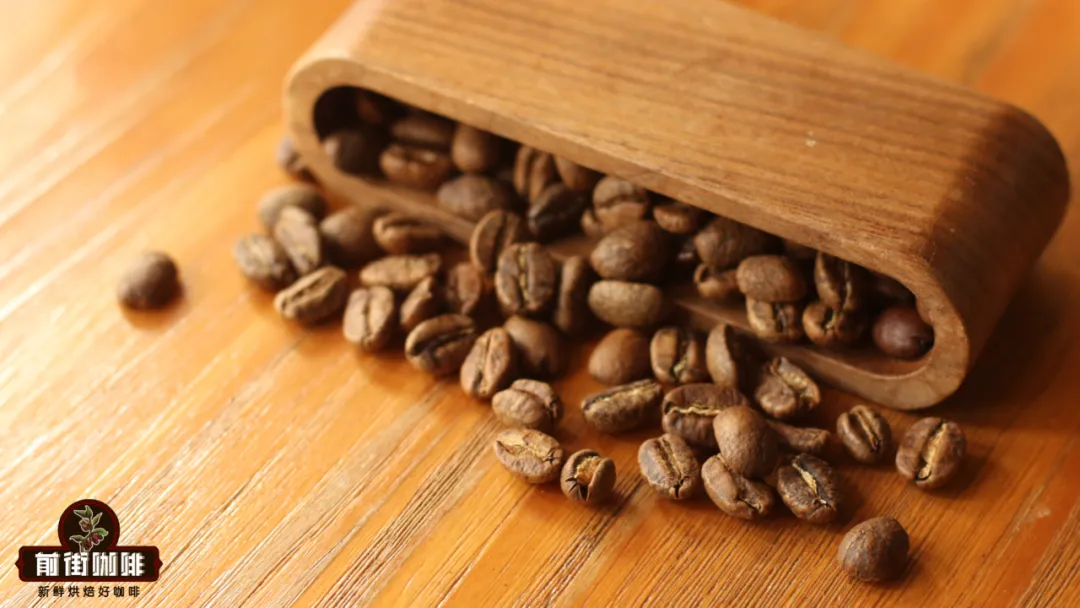
As for why Geisha coffee is known for its high prices, there is more than one contributing factor. The primary reason is that Geisha has extremely strict requirements for its growing environment, needing specific altitudes and unique microclimates to thrive, which inherently limits its yield. Additionally, Geisha coffee is renowned for its unique and highly distinctive flavor profile, often exhibiting pronounced floral and citrus notes, and sometimes even a tea-like aftertaste. Such flavor characteristics have earned it numerous accolades in international coffee competitions, further driving up market demand. Moreover, from the meticulous post-harvest processing to the labor-intensive hand-selection of beans, all require substantial time and human effort, costs that are reflected in the final retail price. When introducing Geisha, emphasis is also always placed on how its origin characteristics, processing methods, and roast levels directly influence the final flavor expression.
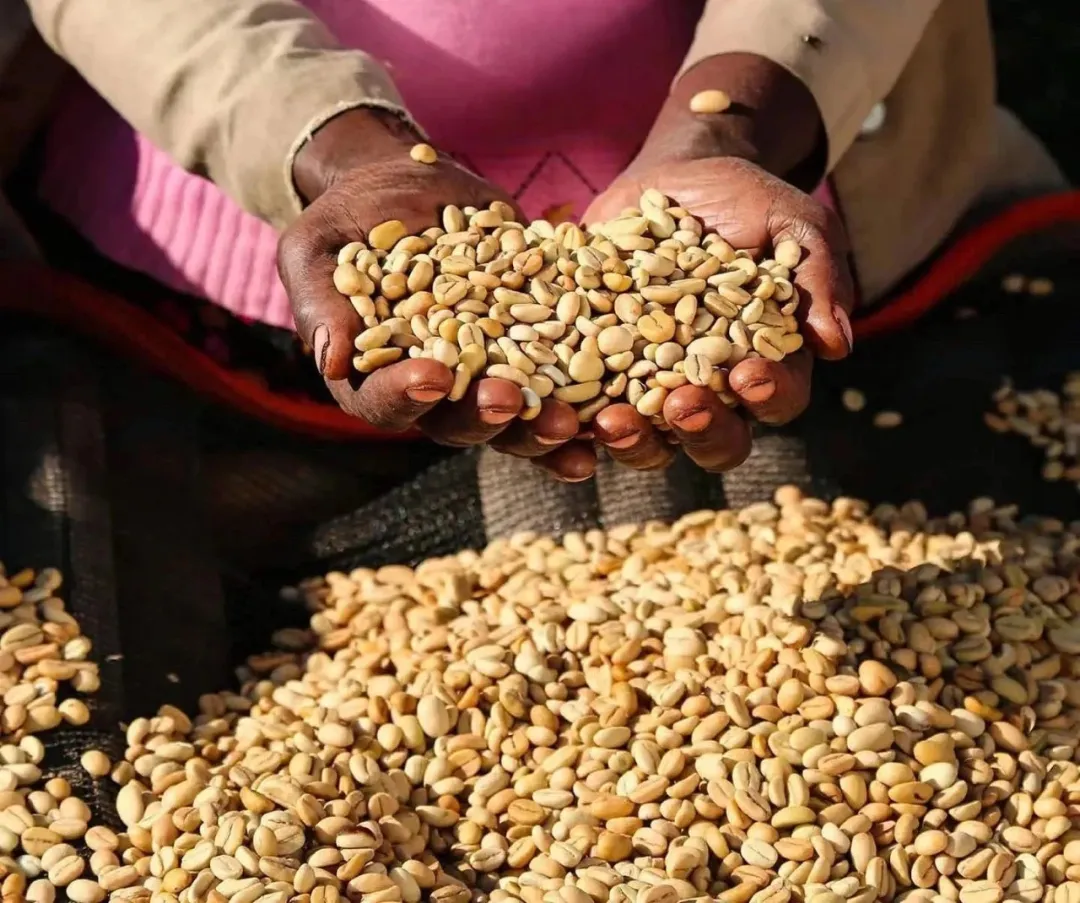
So, if you really want to achieve "coffee freedom" in your daily life by growing your own coffee, how many trees would you need to plant? The answer is closely related to your personal coffee consumption. Generally speaking, a healthy and well-managed coffee tree can yield approximately 0.5 to 1 kilogram of green coffee beans per year, though actual yield is significantly affected by factors such as variety, tree age, cultivation management level, and local climate conditions. Assuming a coffee enthusiast drinks two cups a day, with each cup using about 15 grams of coffee beans, they would need roughly 10 kilograms of green beans per year. Based on this estimate, to basically meet the needs of one person through homegrown coffee, you’d ideally need to plant at least 10 to 20 coffee trees under the best circumstances. For multiple family members drinking coffee, the required number would naturally be even higher.
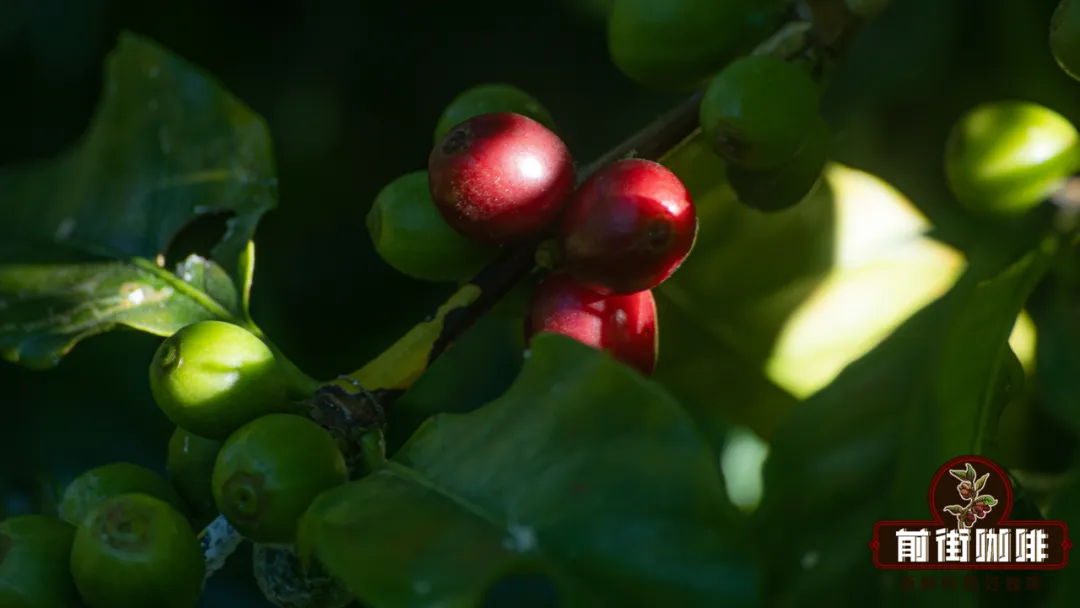
However, getting from planting your first coffee tree to your first harvest is absolutely not an overnight process. Typically, it takes 3 to 5 years for a coffee tree to start bearing coffee cherries ready for harvest. And after the harvest, it still goes through a series of complex steps such as picking, post-harvest processing (like washed or natural), pulp removal, fermentation, drying, and finally roasting before becoming the familiar coffee beans we know. Also worth noting is that the environmental and technical conditions of home cultivation often cannot compare to those of professional coffee-growing regions, so there may be some discrepancies in yield and quality stability. Nonetheless, as an extension of coffee passion and a hands-on experience, this process remains full of fun and a sense of accomplishment.
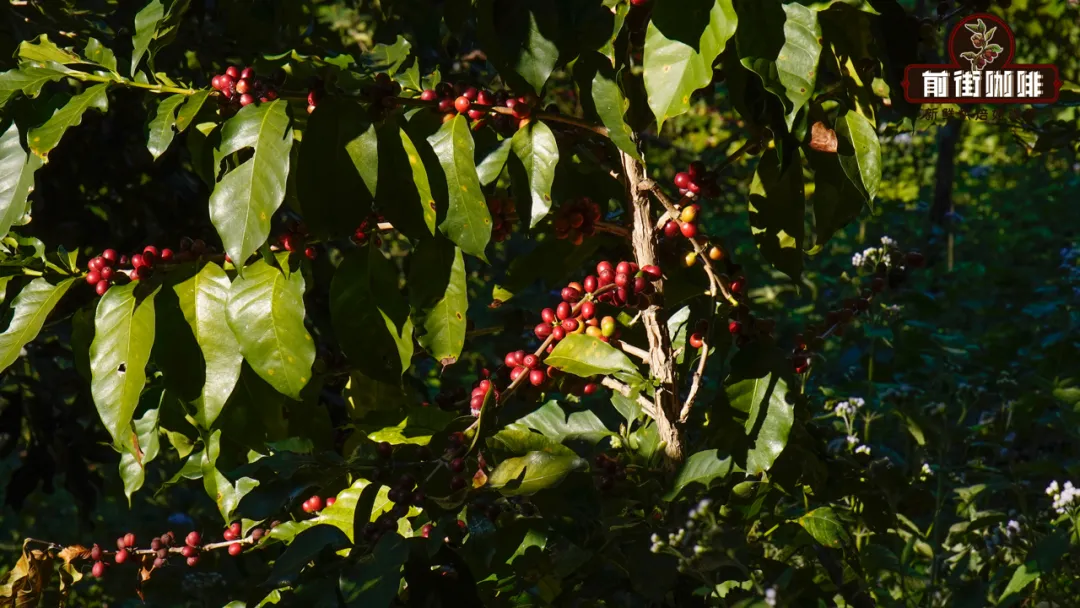
In summary, the distinct characteristics of Arabica and Robusta give rise to vastly different coffee flavor directions; the high price of Geisha stems from its rare yield, unique flavor, and complex post-processing; and the number of trees needed to achieve self-sufficient coffee growing is closely tied to individual consumption habits and planting conditions. Whether you choose to buy ready-made specialty coffee beans or try your hand at growing them yourself, understanding these basics will allow you to appreciate and better understand the wonders behind every great cup of coffee.
The above content is compiled by CoffeeHunters, a coffee news website.


