







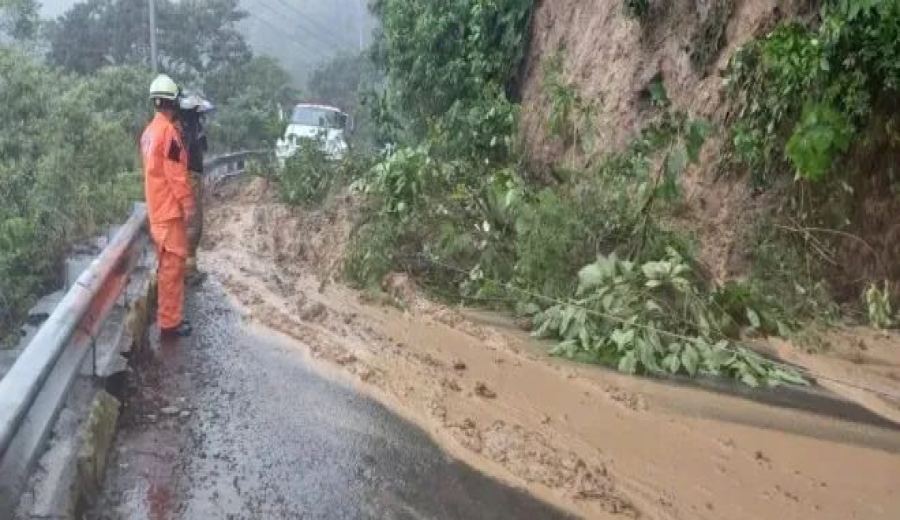
Introduction:This year, Panama’s rainy season was heavily impacted by Tropical Storm Rafael, with severe landslides and flooding occurring in many areas of Chiriquí Province. The core specialty coffee-producing region of Boquete was also hit hard. Road disruptions and water supply blockages may further affect the upcoming December coffee harvest. This article provides an in-depth analysis of the current disaster situation, the geographical characteristics of the affected areas, and the potential impact on future coffee yields and quality.
After entering October, Panama officially transitioned into the rainy season, but this year’s weather patterns were unusual. Due to the strong interference from Tropical Storm Rafael, the country experienced decades-rare torrential rains and strong winds, leading to multiple consecutive landslides and flood incidents—especially in four provinces: Chiriquí, Veraguas, Herrera, and Los Santos—where over 500 people have been affected.
Within Chiriquí Province, landslides have occurred in several locations, including Jaramilo Centro and the areas of La Virgencita and Renacimiento in Boquete. Excessive rainfall caused nearby river levels to rise rapidly, posing serious flood threats. Approximately 150 residents have been evacuated to safety zones.
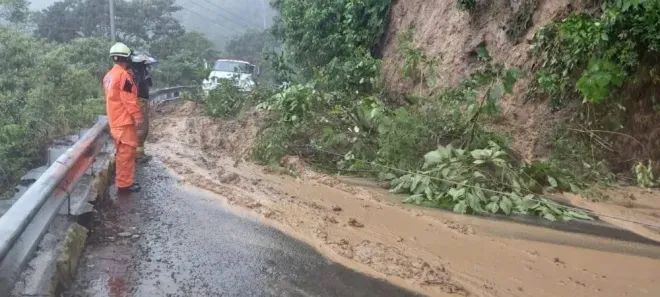
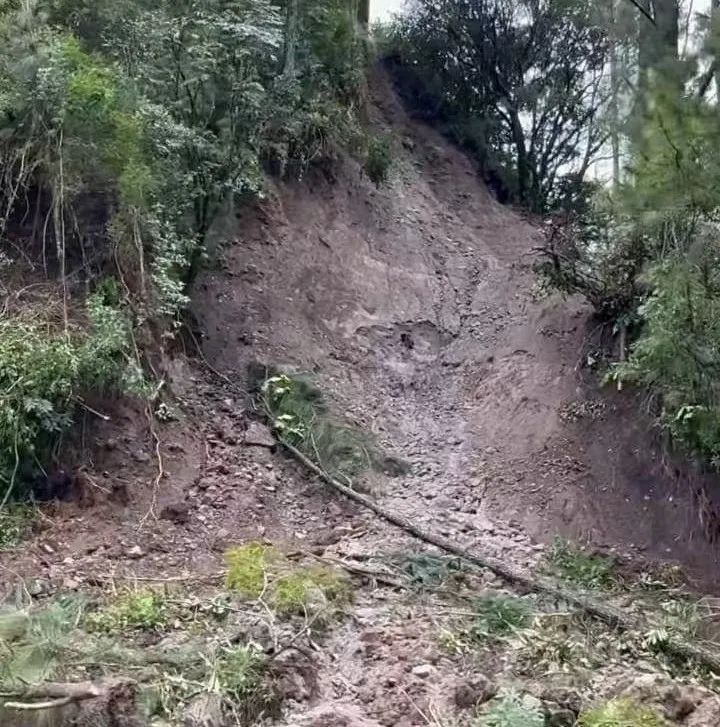
The mayor of the Boquete district pointed out that the area’s terrain, characterized by high mountains and deep valleys, is highly prone to landslides and slope collapses during heavy rainfall. In Boquete alone, at least 11 landslides triggered by the storms have been recorded, with three being particularly severe. Some landslides even damaged water pipelines, interrupting the daily water supply for residents and significantly affecting their lives.
In addition, multiple major roads have been damaged by landslides and mudflows. One section of the road between Palmira and Boquete suffered a major collapse; this route serves as a crucial transportation artery for local agricultural produce and coffee bean shipments. The damage has forced both residents and commercial transporters to take detours, resulting not only in longer travel times but also significantly increased transportation costs.
The Panama Institute of Meteorology and Hydrology (Imhpa) issued an alert on November 6, stating that the previously formed tropical depression in the Caribbean Sea off northern Panama had intensified into Tropical Storm Rafael, with estimated maximum wind speeds of up to 63 kilometers per hour. Subsequently, Panama’s civil defense system quickly issued red alerts for five provinces. Although Rafael left Panama on November 7 and made landfall in Cuba as a Category 3 hurricane, the heavy rainfall it caused within Panama continued, with persistent downpours across various regions.
As of now, this wind disaster has resulted in at least five confirmed fatalities, and the situation has not yet fully subsided. While rainfall has slightly decreased in recent days, the overall weather remains unstable, with the possibility of further heavy rains in the coming days. According to official statistics, in just the first ten days of November, some areas of Panama recorded cumulative rainfall as high as 320 millimeters, setting a new record for November rainfall in recent years.
The hardest-hit areas are precisely among Panama’s most important specialty coffee regions—Boquete. This locale is home to numerous renowned coffee farms, including Hacienda La Esmeralda, Duncan Estate, and Elida Estate, all celebrated for producing high-quality Geisha and other premium Arabica varieties.
Panama’s coffee harvest season generally runs from December to March each year, and the current period is a critical stage for the gradual formation and development of coffee cherries. Persistent heavy rain and overly saturated soil may affect the fruit-setting rate and ripening of the coffee trees. If coffee cherries encounter adverse weather conditions during their developmental phase, subsequent flavor profiles and overall yields could be noticeably impacted. Furthermore, the damage to roads and bridges also poses significant challenges to future harvesting logistics and coffee bean transportation, further increasing uncertainty in regional recovery and market supply.
Overall, this wind disaster has not only brought immediate impacts on infrastructure and resident life in the Boquete area but also introduced variables to the upcoming coffee harvest season. Weather developments in the coming weeks will directly influence the growth of coffee cherries and the overall pace of regional recovery.
The above content is compiled by CoffeeHunters, a coffee news website.


