







Introduction:Did you know? The difference between light and dark roasted coffee beans is just a matter of a few minutes and less than 10°C in temperature, yet it’s enough to completely transform the overall character of a cup of coffee—from bright fruity acidity to rich, smoky flavors, from refreshing and energizing to steady and clarifying. This article takes an in-depth look at the three main roast levels (light, medium, and dark), examining their color, aroma, acid-to-bitterness balance, recommended brewing methods, and actual effects on mental alertness, helping you choose the coffee beans that best suit your needs.
Roasting is one of the key processes that determine coffee flavor. From the moment green beans enter the roaster and begin heating—going through drying, yellowing, first crack, and even second crack—a series of significant chemical and physical changes occur within just a few minutes. Although the overall temperature difference from light to dark roast is less than 10°C, it’s enough to make the same coffee bean exhibit entirely different flavor profiles.
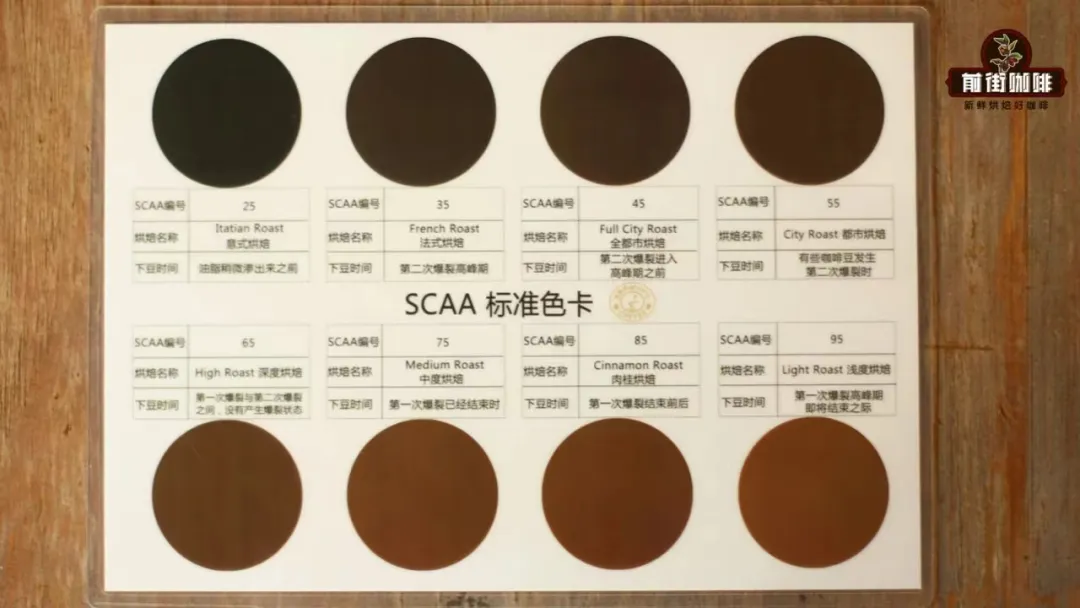
In the industry, to establish a unified communication benchmark, the Specialty Coffee Association of America (SCAA) has developed a standard that uses an infrared caramelization analyzer to assess the color value of bean surfaces, dividing roast levels into eight grades, with higher numbers indicating darker roasts. While this color value system is primarily a professional reference for roasters, for the average consumer, broadly categorizing roasts into light, medium, and dark is sufficient to discern flavor differences.
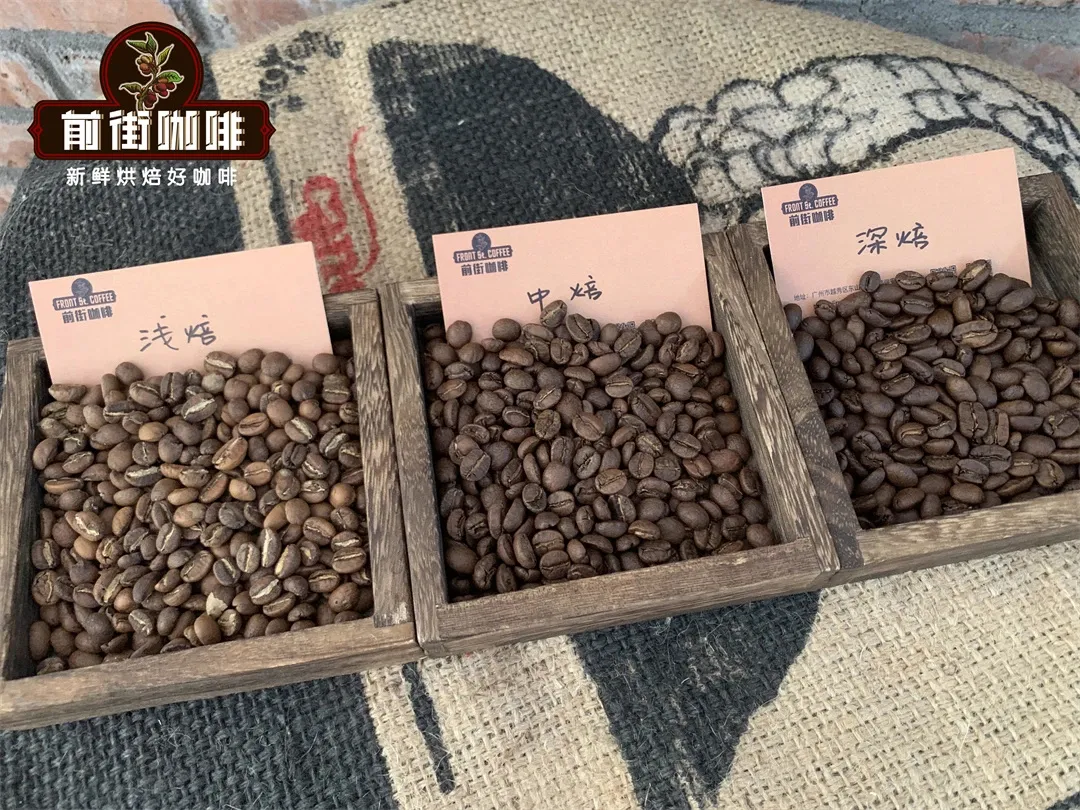
Light roasts are usually completed in the middle to late stage of the first crack. At this point, the beans have expanded in volume but not yet reached their maximum, appearing a light brown color, with bright acidity and the preservation of rich, original flavors. Because the Maillard reaction is still in its early stages and caramelization is not yet pronounced, these beans have very low bitterness but complex aromatic layers, often featuring berries, citrus fruits, floral notes, and even a hint of wine-like aromas. For example, certain beans from Africa, such as Yirgacheffe, when light roasted, can showcase a refreshing acidity reminiscent of lemon and berries, along with unique fermented wine-like aromas.
Medium roasts fall into this middle ground, typically completed from the end of the first crack to just before the second crack. At this stage, the beans further expand in volume, turning a medium brown color, with acidity and bitterness reaching a better balance, and sweetness beginning to emerge. As caramelization becomes more active, sugars start to transform, bringing out caramel, nutty, and creamy tones, while also softening some of the fruit acids. Coffee at this stage is generally suitable for most drinkers, offering a certain level of acidity for stimulation without sacrificing a rounded mouthfeel, making it the preferred roast level for many single-origin and blended beans.
Dark roasts are produced during the second crack or even the dense phase of the second crack. The bean surface is dark black, almost carbon-like, with a shiny appearance, and the beans have expanded to their maximum volume, though their density is noticeably reduced. Due to prolonged exposure to high temperatures, most organic acids in the beans have broken down, resulting in very low acidity. Instead, intense smoky, roasted, chocolatey, and charred flavors dominate, with pronounced and lingering bitterness. Dark roast beans are commonly used as the base for espresso, lattes, and other milk-based coffees, as their bold flavor profile blends well with milk. However, due to their low acidity and high bitterness, they may cause discomfort or overstimulation for some sensitive individuals.
In terms of stimulating effects, light roast coffee generally retains more caffeine and, combined with its refreshing acidity, can effectively stimulate the central nervous system, making it suitable for morning consumption or situations where a quick wake-up is needed. Medium roast strikes a balance between stimulation and taste, making it ideal for steady energy replenishment during the day. Dark roast, although intensely bitter, does not actually contain more caffeine despite the deeper roast—in fact, some components may be lost due to high heat. Its stimulating effect relies more on the psychological perception of “boldness,” making it suitable for scenarios requiring strong flavor support, such as late-night work or extended periods of focus.
When it comes to actual selection and brewing, it’s recommended to adjust grind size and water temperature according to roast level: light roast beans, being denser and more tightly structured, benefit from a medium-fine grind and slightly higher water temperature (around 92–94°C) to fully extract acidity and aroma; medium roast works well with a medium grind and water temperature (around 90–92°C) to balance all flavor elements; dark roast requires a slightly coarser grind and a lower water temperature (around 88–90°C) to avoid over-extraction and bitterness. Additionally, the freshness of light roast beans greatly impacts flavor, so it’s best to use them within 2–3 weeks of purchase for optimal performance.
In summary, understanding how roast levels shape a coffee’s acidity, sweetness, bitterness, aroma, and body can help you choose beans that more precisely match your taste preferences and needs. Whether you’re seeking the bright fruit acids for a morning pick-me-up or the rich, full-bodied flavors for an afternoon companion, beans of different roast levels can offer distinctly unique taste journeys.
The above content is compiled by CoffeeHunters, a coffee news website.


