







Introduction:The government of São Paulo state plans to sell 7 hectares of land belonging to the Santa Elisa farm under IAC, which houses one of the world’s largest coffee germplasm banks, preserving around 5,000 valuable strains, including some of the oldest groups of Arabica plants. This move has sparked strong backlash from the scientific community, raising fears that it could interrupt critical breeding research, affect the development of future disaster-resistant varieties, and threaten the stability of the global supply chain.
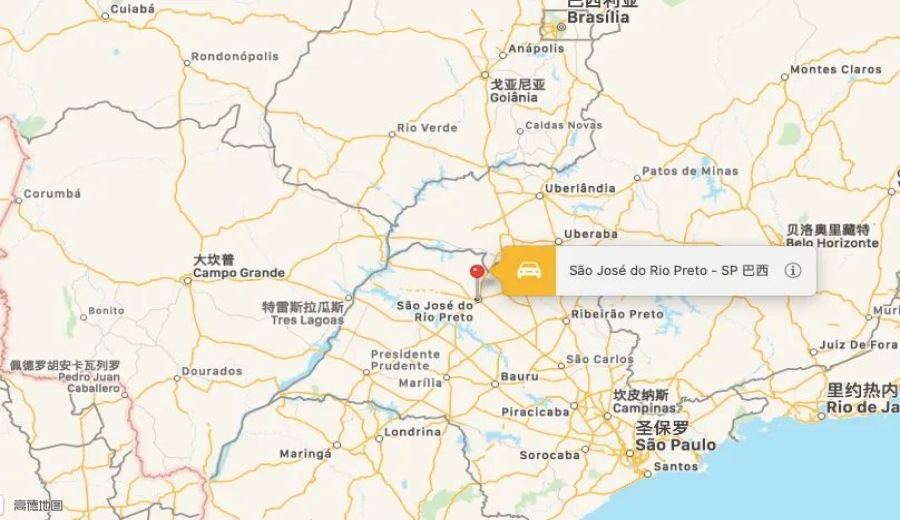
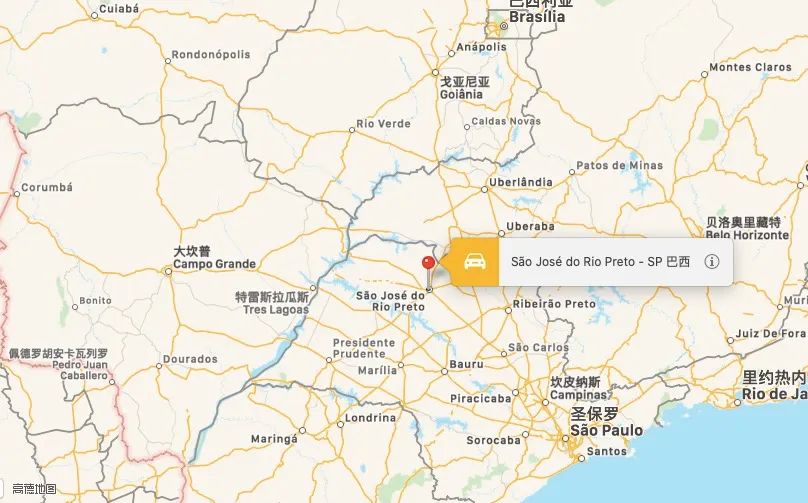
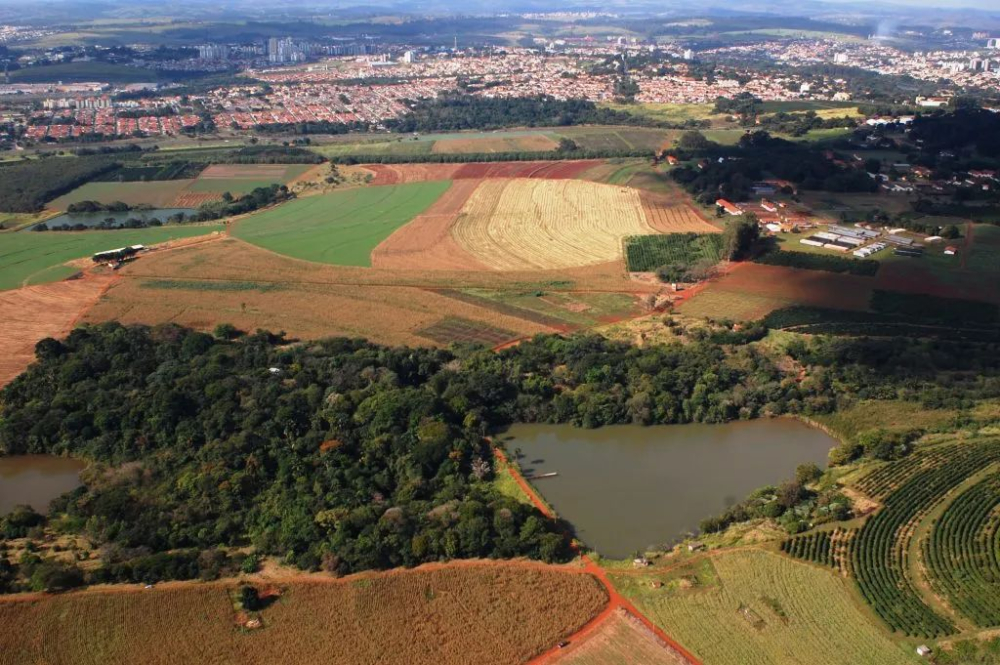
The government of São Paulo, Brazil, recently announced plans to sell approximately 7 hectares of agricultural land located in the Campinas region, which belongs to the Santa Elisa farm under the Campinas Agronomic Institute (IAC). The announcement immediately triggered strong protests from the IAC research team and the São Paulo Association of Scientific Researchers (APqC), primarily because this plot is not only an important experimental base but also a treasure trove of global coffee germplasm resources.
It is understood that the state government had already indicated as early as last August its intention to dispose of some farm assets that were “costly to maintain and of limited economic benefit,” planning to auction them off for residential or commercial development. However, the land in question is part of the Santa Elisa farm, which has been under IAC for over half a century, not only hosting multiple key agricultural research projects but also preserving irreplaceable coffee genetic resources.
As a top Brazilian agricultural research institution founded in 1973, IAC has long focused on crop genetic improvement, variety development, and the promotion of planting techniques, with particularly outstanding contributions in the field of coffee. The Santa Elisa experimental area of the farm currently houses one of the world’s largest coffee germplasm banks, systematically preserving around 5,000 coffee germplasm resources from around the globe. These include numerous valuable strains developed through decades of selection, as well as the oldest known group of original Arabica coffee plants. These resources provide the genetic basis for 70% of the world’s commercial coffee varieties.
The São Paulo Association of Scientific Researchers clearly pointed out that Brazil’s status as a global coffee production powerhouse is largely due to IAC’s continuous introduction and improvement of international coffee varieties, successfully cultivating high-yield and resilient strains suited to the local climate and soil conditions. These IAC-developed varieties not only support the domestic industry but have also been promoted to several major coffee-producing countries, becoming a key pillar of the global supply chain. The current research on wild-type caffeine-free Arabica varieties being conducted on the farm has reached a critical stage, and any breakthrough could bring a revolutionary low-caffeine coffee solution to the market.
Notably, in recent years, Brazil’s coffee industry has repeatedly been hit by extreme weather: the severe frost in 2021 led to a production drop of over 30%, with producer prices surging nearly 13%; in early 2024, the region experienced its most severe drought in over 70 years, forcing industry players to reassess their planting strategies. Against this backdrop, the IAC team is fully committed to developing a new generation of coffee varieties that are heat-tolerant, drought-resistant, and disease-resistant, and the experimental data and germplasm resources from the Santa Elisa farm are the core pillars of this research.
In addition to coffee, the farm also undertakes breeding projects for various economic crops such as soybeans and sugarcane. Researchers are concerned that if the land is converted into a residential area, it would not only make the relocation of precision experimental equipment difficult but could also lead to the permanent loss of rare germplasm resources—many wild relative species are preserved only here, and the relocation process could easily cause genetic degradation due to environmental changes. The Brazilian agricultural department has yet to announce specific resettlement plans, and there are still significant gaps in related technical assessments and transitional period planning.
Industry experts emphasize that protecting such strategic agricultural biological resources is not only crucial to Brazil’s economic interests but is also essential for maintaining global coffee diversity and supply stability. The current point of contention is: how to strike a balance between the rational use of land resources and the preservation of a century’s worth of scientific research? This is not only a test of decision-making for local governments but also requires the shared attention of the international coffee community.
The above content is compiled by CoffeeHunters, a coffee news website.


