








Introduction:Want to try a rich, well-balanced coffee similar to Blue Mountain but on a budget? Papua New Guinea’s Paradise Bird coffee might be the ideal choice. This medium-altitude bean, made from the Typica variety and processed with the washed method, is known for its nutty, cocoa, and gentle fruity acidity, and is hailed as the “Little Blue Mountain.” This article delves into its origin background, variety characteristics, processing methods, and provides practical flavor descriptions and brewing references to help you find your own Blue Mountain alternative.
Blue Mountain coffee is world-renowned for its delicate balance and rich flavor, and has long been regarded as the top representative of the coffee world. However, its high price and limited production make it a luxury that many coffee lovers can only admire from afar. If you’re looking for a flavor-similar yet more cost-effective option, consider Papua New Guinea’s Paradise Bird coffee. Not only does this coffee bean share the same Typica lineage as Blue Mountain, but it also delivers a smooth and balanced flavor profile through traditional washed processing, earning it the affectionate nickname “Little Blue Mountain” among many coffee enthusiasts.
When it comes to classic coffees, Blue Mountain is undoubtedly the top choice for many. Since the last century, Blue Mountain coffee has been globally renowned as the “Coffee Emperor,” with its consistent quality and unique flavor serving as an industry benchmark. However, due to the limited planting area and growing conditions, Blue Mountain coffee has a very low annual yield, resulting in its high price. For this reason, many consumers have started seeking a high-quality alternative that can deliver a similar flavor profile and is relatively easier to obtain, and Papua New Guinea’s Paradise Bird coffee is one of the most notable options.
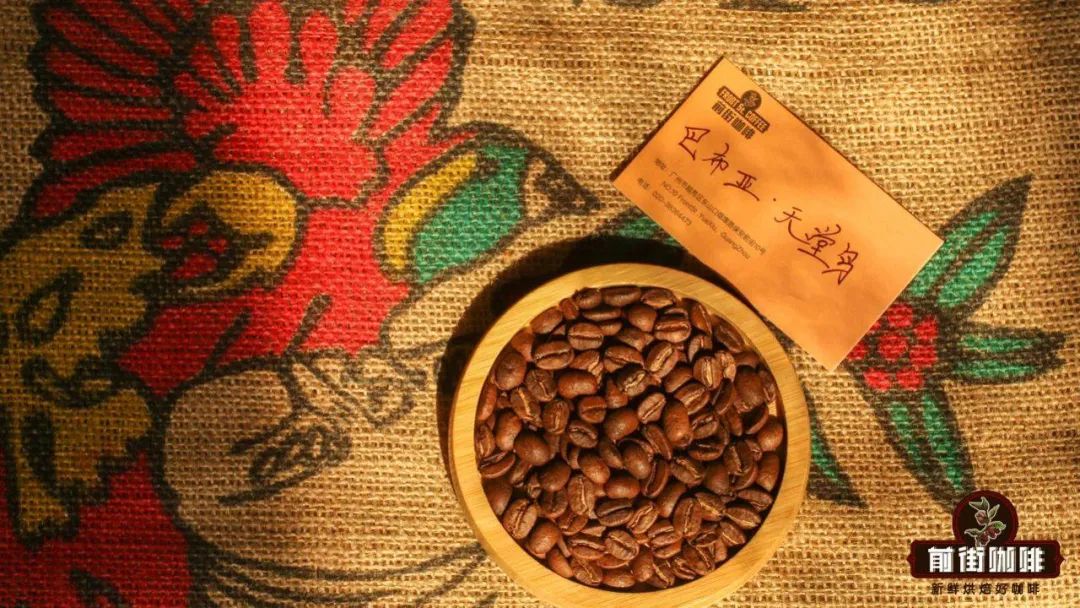
Paradise Bird coffee from Papua New Guinea originates from the Typica variety, which was introduced from Jamaica’s Blue Mountain, and is refined using traditional washed processing. This coffee is typically medium roasted, highlighting prominent nutty and cocoa notes, along with soft citrus acidity and a caramel aftertaste. The beans from the Sigri Paradise Bird Estate, introduced in the region, are grown at altitudes of 1600 to 1800 meters in the highlands, classified as AA grade. Not only do they offer clear flavors, but their structure is also well-balanced, making them a great daily choice for pour over or drip coffee.
Papua New Guinea, abbreviated as PNG, is an island country located in Oceania, consisting of the eastern part of New Guinea Island and over six hundred surrounding islands. The country has a unique geography, mostly tropical rainforest and volcanic terrain, with a climate typical of an island type. It is divided into dry and rainy seasons throughout the year, with an average annual rainfall of up to 2500 millimeters, and inland highland temperatures ranging between 18 and 29°C, making it very suitable for coffee cultivation. Coffee farming is mainly concentrated in the central mountainous regions, with altitudes generally ranging from 1200 to 2500 meters, allowing the coffee beans to develop richer flavor layers and acidity profiles.
Papua New Guinea’s coffee industry began in 1931, when Typica seeds originating from Jamaica were introduced. Due to the similar climate and geographical conditions to Jamaica, these coffee trees quickly adapted to the local environment and gradually developed flavor characteristics with regional distinction. The Typica variety itself features slender bean shape, bright acidity, and soft sweetness, often regarded as a symbol of elegance and balance. However, its tall tree structure and weak disease resistance make management more challenging, so most commercial regions have gradually shifted to more disease-resistant varieties such as Bourbon or Catuai.
In terms of processing methods, coffee in Papua New Guinea is mostly washed, a technique that effectively removes the pulp layer and reduces impurity interference, making the inherent flavors of the coffee beans clearer. Compared to natural sun-drying or other semi-washed methods, washed Typica often presents a cleaner acidity and a crisp finish, which is one of the key reasons it is referred to as the “Little Blue Mountain.” Cupping experience shows that Jamaican Blue Mountain typically exhibits richer dark chocolate and cookie aromas, while Papua New Guinea’s washed Typica is dominated by nutty tones, complemented by sugarcane sweetness and bright citrus acidity, resulting in an overall fresher and crisper flavor profile.
In addition to Typica, Papua New Guinea has later introduced varieties such as Bourbon, Mundo Novo (New World), and Catuai to enhance regional diversity and disease resistance. Currently, the country’s coffee production is mainly concentrated in four central regions, with the majority operated by smallholder farmers. One of the largest and most representative estates is the Sigri Estate, also known as the Paradise Bird Estate, located in the Waghi Valley of the Western Highlands Province.
The Sigri Estate is widely known as the Paradise Bird Estate due to the bird emblem on its brand logo—this bird is also the national bird of Papua New Guinea. Established in the 1950s, the estate was initially founded by the renowned hunter Tom Cole, and later taken over by WR Carpenter company-PNG, Papua New Guinea’s largest agricultural enterprise. This company owns over 2800 hectares of tea and coffee plantations, and operates four specialized processing plants and a coffee mill, serving as the main supplier for the country’s coffee and tea exports, accounting for about 80% of the total national exports. The Sigri Estate not only grows coffee at altitudes exceeding 1500 meters, but also benefits from strict environmental policies and high-standard cultivation and processing procedures, earning long-term recognition in the international market. Its coffee beans are known for excellent flavor purity and consistency, making it a top choice for those seeking high-quality Papua New Guinea coffee.
The above content is compiled by CoffeeHunters, a coffee news website.


