







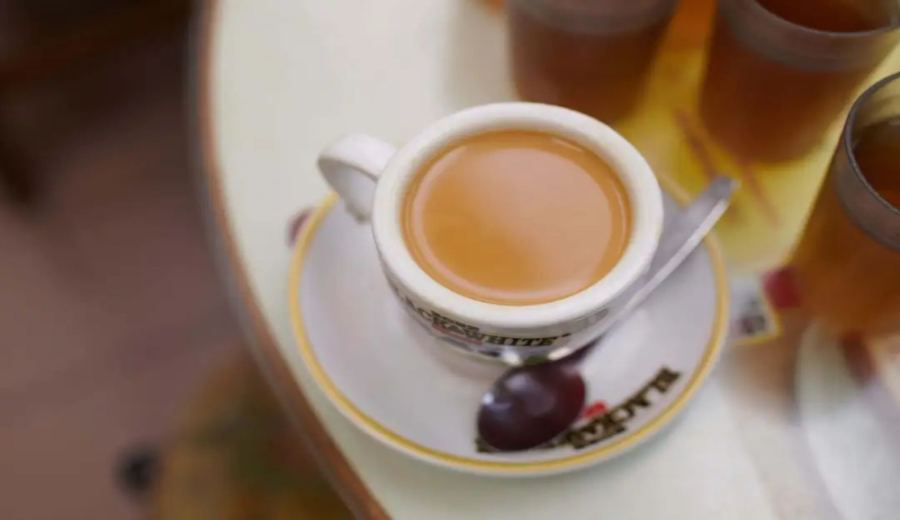
Introduction:Hong Kong-style Yin Yang (Yuenyeung) is a classic drink that combines coffee and milk tea, beloved by many in the Chinese-speaking world. However, its high caffeine content often leads to sleepless nights after consumption. This article will explore the origin legends of Yuenyeung, from dockworkers' energy-boosting remedy to the concept of balance in traditional Chinese medicine, analyzing its background. We'll also break down the total caffeine content in a cup of Yuenyeung with real data to help you enjoy this unique beverage more wisely.
Hong Kong-style Yuenyeung is a classic drink that perfectly blends strong coffee with smooth milk tea. It's not only highly representative in Hong Kong’s cha chaan tengs but also has numerous fans across the global Chinese community. Many people are first amazed by its rich, creamy taste, but may also find themselves unable to sleep all night due to its high caffeine content. How did such a uniquely flavored drink come about? And why does it leave people feeling so energized? Let’s start with the origin of the name “Yuenyeung” and delve into its historical background and ingredient secrets.
The term “Yuenyeung” originally refers to a pair of inseparable water birds in Chinese culture—the male is called “Yuan” (mandarin duck) and the female “Yang” (mandarin drake), symbolizing love and companionship. Later in southern China, “Yuenyeung” also came to describe a combination of two different elements merged into one. Hong Kong-style Yuenyeung is precisely such a product—made by mixing two distinctly different drinks, coffee and milk tea, resulting in a unique flavor experience. Interestingly, this beverage, which combines the essence of both Eastern and Western drinks, possesses characteristics of both coffee and milk tea, yet is difficult to categorize as solely one or the other. Therefore, the name “Yuenyeung” is truly fitting.
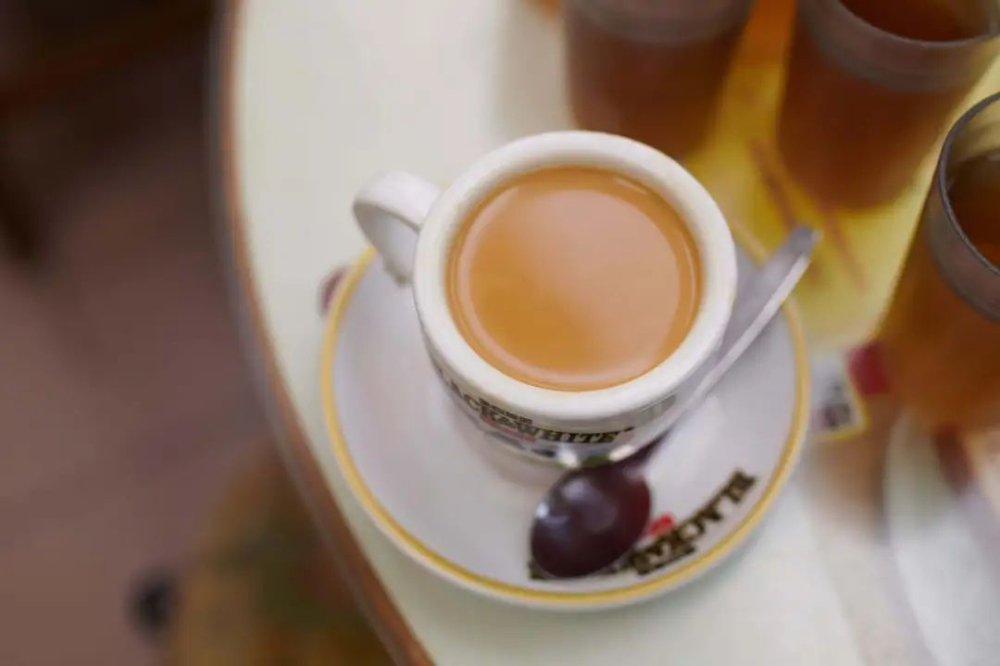
There are several versions of the origin story of Hong Kong-style Yuenyeung, but the most well-known is the one closely tied to dockworkers. Going back to the 1950s, under British colonial influence, the cultures of tea drinking and coffee gradually became popular in Hong Kong. However, at the time, British-style milk tea and coffee were mostly enjoyed by the upper class. The working class, especially dockworkers and movers who required high physical stamina, desired an affordable yet instantly energizing drink. Thus, some cha chaan tengs came up with the idea of mixing the then-improved Hong Kong-style milk tea with bitter yet stimulating coffee, creating a beverage that could both replenish energy and refresh the mind. It’s said that this drink quickly became popular among workers, serving as their “energy source” on the job.
Aside from the dockworker theory, another perspective links the birth of Yuenyeung to the balancing philosophy of traditional Chinese medicine. According to renowned beverage industry figure Wong Ka Wo, around 1955, some customers reported that milk tea could irritate the stomach while coffee was too heating. As a result, some bartenders mixed the two to create a drink that could warm the stomach without losing its energizing effect—this became the prototype of Yuenyeung. As for the naming of “Yuenyeung,” there are various interpretations: some say it’s because coffee and milk tea are like the two ducks, different in appearance and characteristics yet harmoniously coexisting and complementing each other; others believe it’s because the contrasting colors of the two drinks resemble a pair of ducks, hence the name.

So why does a cup of Yuenyeung make it hard to fall asleep? The key lies in its dual sources of caffeine from both coffee and milk tea. Typically, a standard 700ml Hong Kong-style Yuenyeung contains about 510mg of caffeine—almost equivalent to drinking three standard Americanos in a row. It’s worth noting that individual tolerance to caffeine varies, and those sensitive to caffeine may experience palpitations, restlessness, or prolonged insomnia. Therefore, if you’re highly sensitive to caffeine, it’s advisable to be extra cautious before drinking or opt for a low-caffeine version. Some cha chaan tengs also offer caffeine-free “kids’ Yuenyeung” made with Ovaltine or Horlicks for children or special groups, allowing more people to enjoy the charm of this classic drink.
Additionally, making a well-balanced Yuenyeung isn’t as simple as just mixing coffee and milk tea. Many veteran cha chaan teng owners say the ideal ratio is usually “three parts coffee to seven parts tea,” plus an appropriate amount of evaporated milk to achieve a balance where the smoothness of the milk tea and the richness of the coffee are both present without either flavor overpowering the other. Wong Ka Wo also pointed out that crafting an excellent Yuenyeung requires a technical skill level no less than brewing a refined cup of milk tea—you need a deep understanding of both tea and coffee to achieve that perfect balance that is “neither purely milk tea nor purely coffee.”
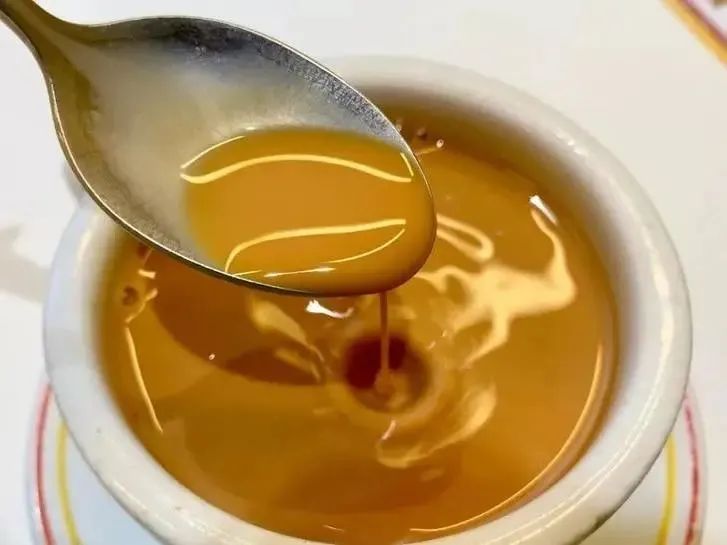
In summary, Hong Kong-style Yuenyeung is more than just a combination of two drinks—it represents the diversity and innovation of Hong Kong’s food culture. From the dockworkers’ energy booster to a symbol of East-meets-West cuisine, this drink carries countless memories and emotions. However, while enjoying its unique flavor, do be mindful of its caffeine content, especially for those sensitive to caffeine—you should consume it in moderation to avoid affecting your sleep quality. Understanding these background details will let you order a Yuenyeung next time with greater peace of mind and enjoyment.
The above content is compiled by CoffeeHunters, a coffee news website.


