







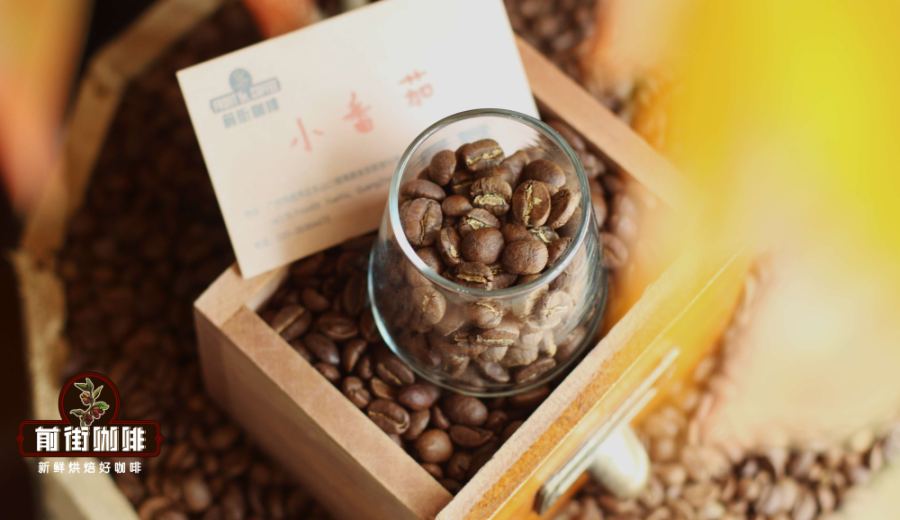
Introduction:Kenyan coffee is renowned for its vibrant berry acidity and high sweetness, but the common labels on packaging such as 'AA' and 'TOP' often leave consumers puzzled. This article delves into Kenya’s coffee grading system—from the bean size-based grades (like AA, AB, PB, etc.) that have been in use since 1934, to secondary quality indicators such as TOP and Plus—and explains how to assess flavor potential by combining these with cupping standards. We also share practical information about a Kenyan tomato-like coffee bean’s production region and pour-over brewing recommendations, helping you understand what the grade labels really mean in terms of actual cup quality.
When selecting Kenyan coffee, terms like 'AA' or 'TOP' on the package can be confusing. These labels actually conceal key quality information, ranging from bean size to cupping scores, all of which influence the final flavor profile. As a globally recognized specialty coffee origin, Kenya’s grading system has evolved over the years, integrating agricultural characteristics with market demand to form a unique evaluation standard.
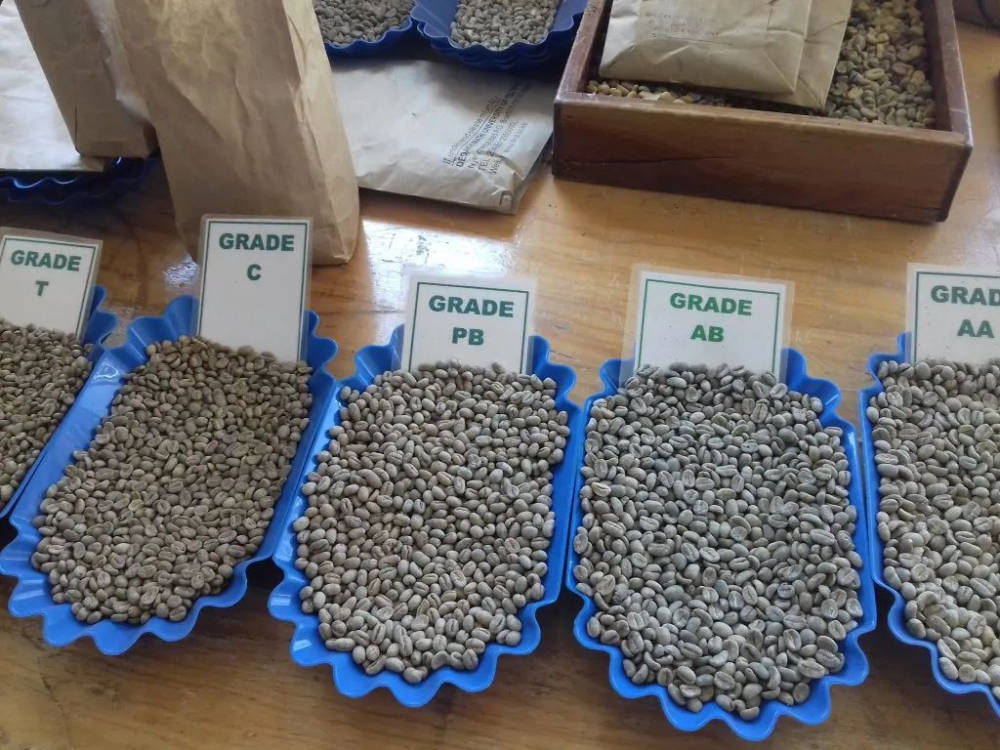
Since establishing its auction system in 1934, the Kenyan government has maintained strict grading procedures to ensure coffee quality. All coffee (whether for domestic or export markets) is graded based on bean size, shape, color, and density. The main grades include AA, AB, PB, C, E, TT, T, and MH/ML. Among them:Grade AAis defined by a screen size of 17–18, has the highest density, and is considered the top local quality, known for its complex flavor and bright, clean taste.Grade AB(screen size 16–17) is slightly inferior to AA but accounts for about 40% of Kenya’s coffee output. It is widely favored in the market for its approachable price and consistent performance.
Among the special grades,PB (Peaberry)makes up only about 5% of Kenyan coffee. It refers to coffee cherries that develop a single round seed instead of the usual two flat beans. While not directly related to flavor, its rarity often makes it a collector’s item.Grade E (Elephant Bean)consists of abnormally large seeds (over 21 mesh), resembling elephant beans but extremely rare in quantity.Grade TTis made up of lightweight beans separated from Grades E, AA, and AB through air classification.Grade Tconsists of defective beans and broken pieces from Grade C, whileMH/MLthe rest are mostly low-quality sun-dried beans intended for the domestic market.
It’s worth noting that although bean size is correlated with defect rates (larger beans generally have fewer flaws), it is not the sole determinant of flavor. To more accurately assess the quality of exported coffee, the Kenya Coffee Research Institute and trade associations have developed a 'Coffee Bean Quality Grading Procedure' that provides supplementary labels such as TOP, Plus (+), and FAQ through secondary grading. This unofficial yet widely used system divides beans according to cupping scores:TOP grade (86 points and above),Plus grade (84–86 points)andFAQ grade (83–84 points)help buyers further gauge flavor potential.
The current Kenyan coffee grading system actually combines three dimensions: green beans (appearance, size, color, defects), roasted beans (crack condition, overall quality, defects), and cupping (acidity, body, flavor, negative attributes). After comprehensive scoring, beans are categorized into grades 1 to 10 (with 1 being the best), ensuring consistency from farm to cup. Although the primary difference between AA and AB lies in bean size, larger beans usually have fewer defects, purer flavors, and higher prices.
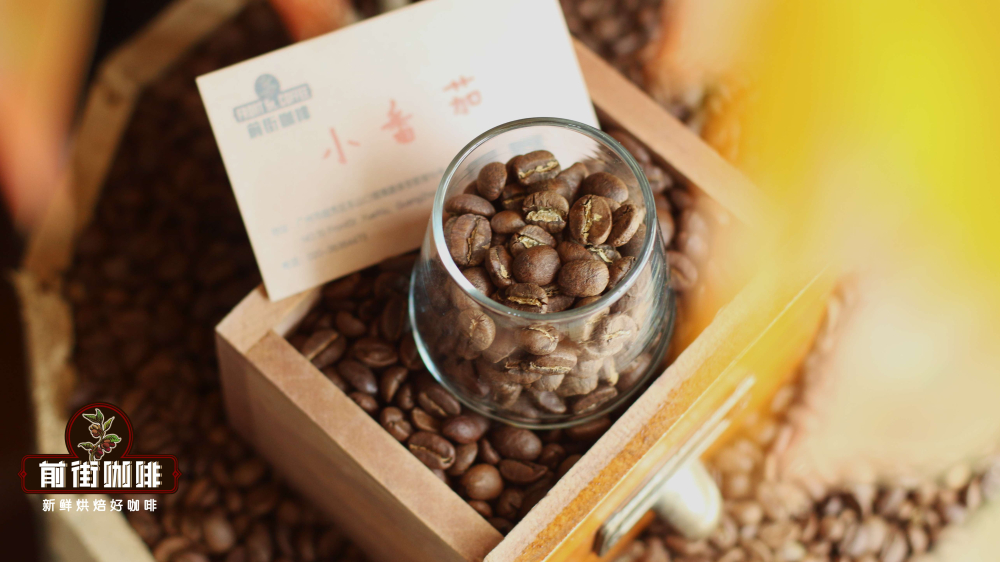
Taking a real-world example, the SL28 and SL34 varieties from Kenya’s Asali Honey Processing Factory are grown at altitudes of 1550–1750 meters and processed using a 72-hour washed method. They exhibit bright flavors such as Sydney pear, black plum, brown sugar, and cherry tomatoes. For pour-over brewing, it is recommended to use a high water temperature (91°C) and a fast-flow V60 filter. Use a 1:15 coffee-to-water ratio (15g coffee powder, total water 225ml), brewed in three pours: the first 30g bloom for 30 seconds, the second 95g (total ~125g) poured in about 1 minute, and the final 100g (total 225g) poured when the water level drops to 2/3 of the coffee bed. Total brew time is around 2 minutes. These parameters balance bright acidity and sweetness, highlighting layers of black plum and berry flavors, with a finish of brown sugar sweetness and green tea aroma.
In summary, understanding Kenyan coffee grading labels not only helps you choose coffee with the expected flavor profile, but also allows you to uncover each coffee’s unique potential through details like bean size, processing method, and growing altitude. Whether you’re aiming for top-tier AA-grade coffee or the more affordable and value-driven AB grade, with the right brewing method, the captivating qualities of Kenyan coffee can truly shine.
The above content is compiled by CoffeeHunters, a coffee news website.


