







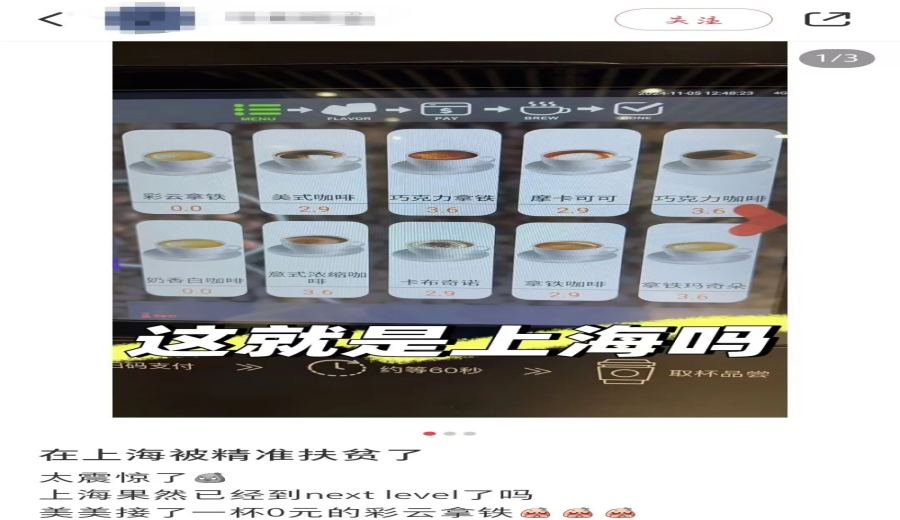
Introduction:The appearance of lattes priced as low as 0 yuan in some Shanghai office buildings has sparked heated discussion among office workers. These machines, labeled as "consumption-poverty alleviation counters," are actually an innovative initiative by the Shanghai municipal government to support poverty alleviation in Yunnan through direct trade. By offering low-cost coffee, the program facilitates better production and sales alignment. This article takes an in-depth look at the machine’s operating model, the characteristics of Yunnan beans, and provides guidance on selection and food safety, helping readers support poverty relief efforts while still enjoying quality coffee.
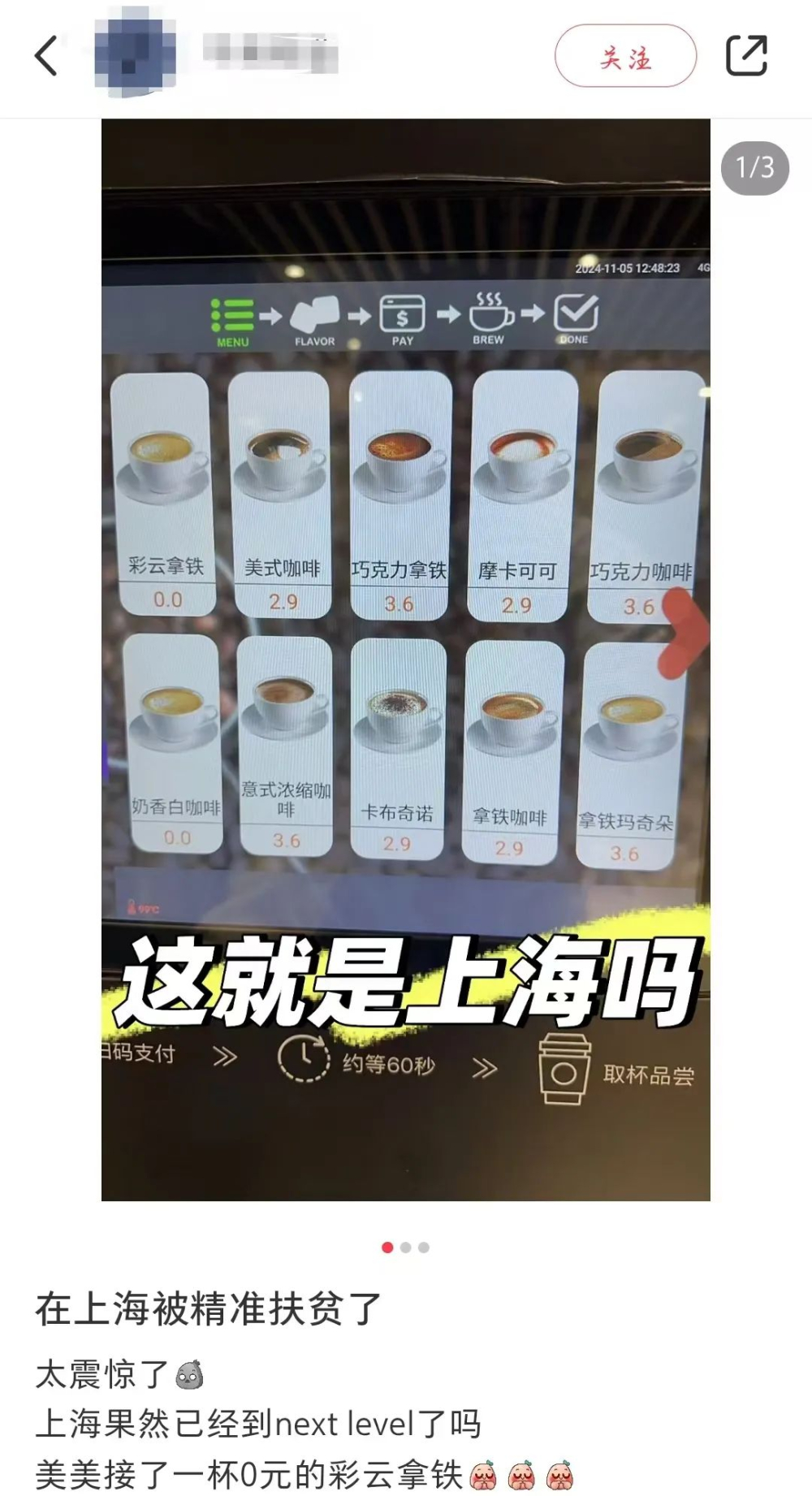
Recently, a special coffee machine appeared in the staff canteen of an office building in Shanghai. Its screen displayed multiple beverage options priced under 4 yuan, with two types of lattes even marked “0 yuan.” This device, bearing the sign “Consumption Poverty Alleviation Counter,” quickly became a hot topic among white-collar workers. According to those who tried it, although the flavor doesn’t match that of specialty coffee shops, this “almost free” option is highly attractive to office workers on a budget.
Further investigation revealed that the project is part of Shanghai’s poverty alleviation program for Yunnan Province. As a key focus area of Shanghai’s aid efforts, Yunnan’s coffee industry is gaining direct access to urban consumer markets through such channels.The Yunnan small-seed variety coffee beans used in these machinesmostly come from major producing regions such as Pu’er and Baoshan. They are processed using the traditional washed method, resulting in pronounced acidity and unique fruity aromas that differentiate them from Central and South American beans.
Netizens have jokingly referred to this as “mutual poverty alleviation”—helping Yunnan coffee farmers expand their sales channels while also easing the financial pressure on city dwellers for daily coffee. Actual statistics show that the average person in Shanghai consumes about 300 cups of coffee per year, which can add up to significant expenses over time. For office workers who rely on coffee to stay alert, being able to obtain a basic pick-me-up at zero cost does help alleviate some financial burden.
However, industry experts caution that there are key details to consider when operating such poverty-alleviation coffee machines. First,the coffee beans are generally roasted to a medium degree(around 15 minutes at 205°C), ensuring balanced flavor and broad appeal; second, the machines must be cleaned every four hours to prevent bacterial growth from residue in the dispensing tubes. Users are advised to check whether the machine displays a recent cleaning tag and to prioritize locations with high foot traffic and frequent maintenance.
Food safety is indeed an issue that cannot be overlooked. These poverty-alleviation coffee machines typically use pre-packaged capsule systems, which in theory carry lower contamination risks compared to sealed capsule machines. However, it’s still important to note:the optimal flavor period is usually indicated as within 2 hours after production; beyond that, issues such as oil oxidation may arise. Consumers with higher hygiene standards can observe whether the cup edges have uniform foam (if milk-based drinks are offered), which often reflects the stability of the machine’s pressure and its hygiene condition.
From an industry chain perspective, this model effectively shortens the distance from Yunnan coffee farmers to end consumers. In traditional distribution channels, farmers receive only 15–20% of the retail price, but through the government-facilitated direct-purchasing model, that proportion can increase to over 30%. At the same time, exposure in high-traffic areas such as office buildings helps build a more accessible image for Yunnan coffee, gradually changing the consumer perception that “only specialty beans are high quality.”
Industry insiders suggest that consumers who wish to support poverty alleviation initiatives should prioritize machines that clearly indicatethe origin of Yunnan single-origin beans(such as those labeled “Pu’er washed beans”). These products generally offer more consistent flavors and stronger traceability. If a machine has not been restocked for a long time or appears dirty, users are encouraged to provide feedback to management to ensure that poverty-alleviation resources are used effectively while maintaining drink quality.
The above content is compiled by CoffeeHunters, a coffee news website.


