







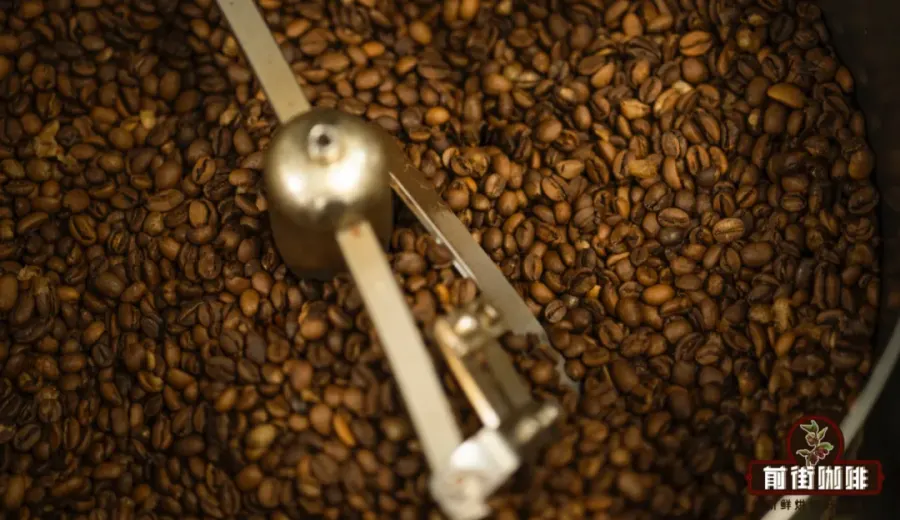
Introduction:In recent years, blended coffee beans have become not only common in espresso drinks but have also gradually made their way into the pour over scene. How exactly do blends create a balanced yet unique flavor profile? What’s the difference between pre-roast blending (生拼) and post-roast blending (熟拼), and which one suits your needs better? This article delves into the core concepts of blended coffee beans, helps you understand the fundamental differences between espresso blends and single-origin beans, and provides an in-depth analysis of the technical logic and practical applications of pre-roast and post-roast blending. It will assist you in making smarter choices.
In the world of coffee, blended beans are increasingly gaining attention—not only carving out a solid niche in the espresso domain but even starting to appear in pour over recipes. Compared to single-origin beans from a specific region, blends combine beans from different origins, processing methods, and roast levels, showcasing richer complexity in flavor layers, mouthfeel structure, and overall balance. Especially when a single-origin bean struggles to balance bright acidity with a full-bodied mouthfeel, blending becomes an effective method for adjusting and enhancing flavor profiles.
However, the production of blended coffee beans can be divided into two main approaches: "pre-roast blending" (生拼) and "post-roast blending" (熟拼). These two methods not only influence the final flavor presentation but are also directly tied to the roaster’s technical judgment and the consumer’s selection strategy. Many coffee enthusiasts often wonder when choosing a blend: should I go for a pre-roast or post-roast blend? Which one better showcases the desired flavor characteristics?
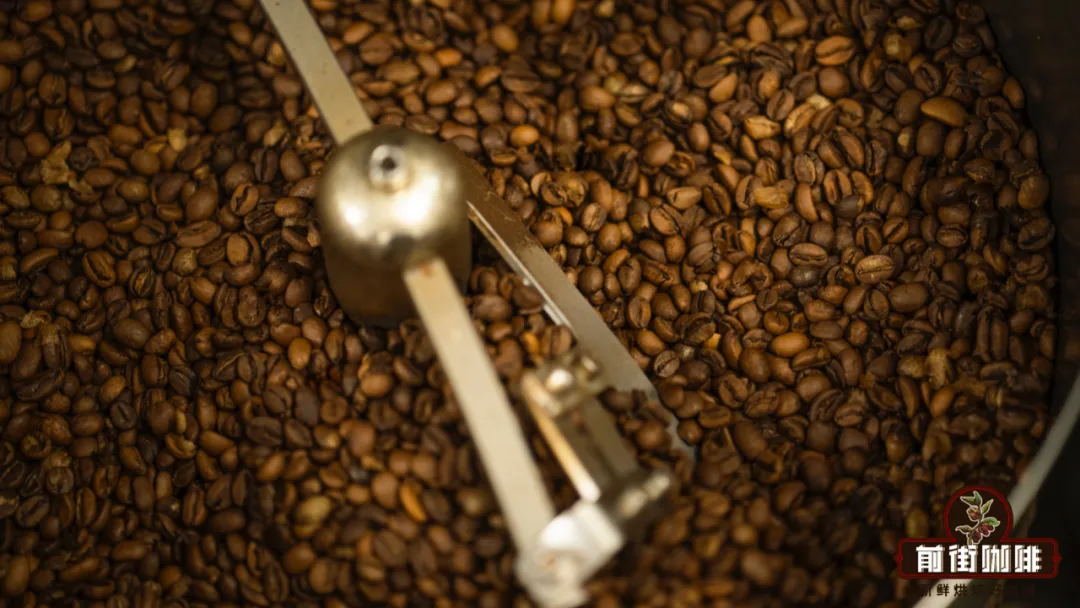
"Pre-roast blending," as the name suggests, refers to mixing different origin or process green beans in predetermined proportions before roasting. The blended green beans are then roasted together in the roaster. Since all the beans are unified before the roasting stage, this ensures that each type develops under the same thermal conditions, helping to achieve overall consistency and harmony in flavor. This method demands higher control skills from the roaster, as green beans from different regions vary in heat absorption rates and reaction characteristics—thus requiring careful adjustment of the roast curve to attain optimal balance.
In contrast, "post-roast blending" involves roasting each individual coffee bean separately according to its ideal profile, and only then blending them in designed proportions based on their roasted flavors. This approach preserves the optimal expression of each single origin under its individually best roast conditions, allowing for a more precise highlight of each region’s unique traits—for example, the pronounced citrus notes of one bean or the rich nutty finish of another. However, because each bean is roasted separately, achieving overall harmony in the blend relies on more meticulous proportion adjustments. Otherwise, there may be flavor gaps or an unclear dominant profile.
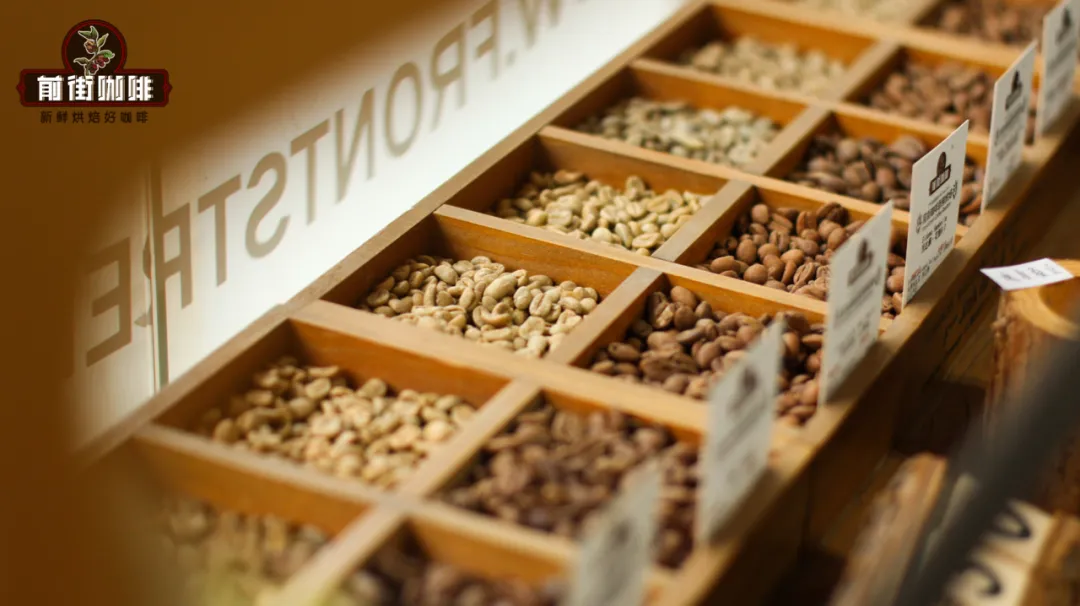
So, for general consumers or coffee enthusiasts, how should one choose between pre-roast and post-roast blends? The key lies in the type of flavor experience you’re seeking. If you prefer a coffee with balanced flavor, soft layers, and overall harmony—especially for use in espresso machines or as a milk coffee base—then pre-roast blends usually offer more consistent extraction performance and stable mouthfeel structure. Because the blending occurs during the roasting phase, pre-roast blends tend to exhibit a rounder balance of acidity and sweetness, along with a fuller mid-palate.
On the other hand, if you appreciate more diverse and distinctive flavor expressions and wish to explore the unique traits of various regions, then post-roast blends might be more suitable for you. Post-roast blends retain the original characteristics of each single origin, especially when brewed using pour over or filtration methods, making it easier to highlight subtle regional flavors—like the blueberry floral notes of Ethiopian beans or the chocolate and spice tones of Guatemalan beans. However, be mindful that post-roast blends may require more precise control over brewing parameters and water temperature, and it’s recommended to adjust your brewing strategy based on the blend’s description.
Additionally, regardless of whether you choose pre-roast or post-roast blends, it’s advisable to pay attention to the design intent of the blend. Many blend recipes will specify their intended use cases, such as “designed specifically for espresso,” “suitable for milk coffee,” or “pour over-friendly recipe.” This information can help you more accurately match your brewing method and taste preferences. If you’re a beginner in the coffee world, you might want to start with clearly labeled blended beans and gradually experience the flavor differences brought about by different blending philosophies.
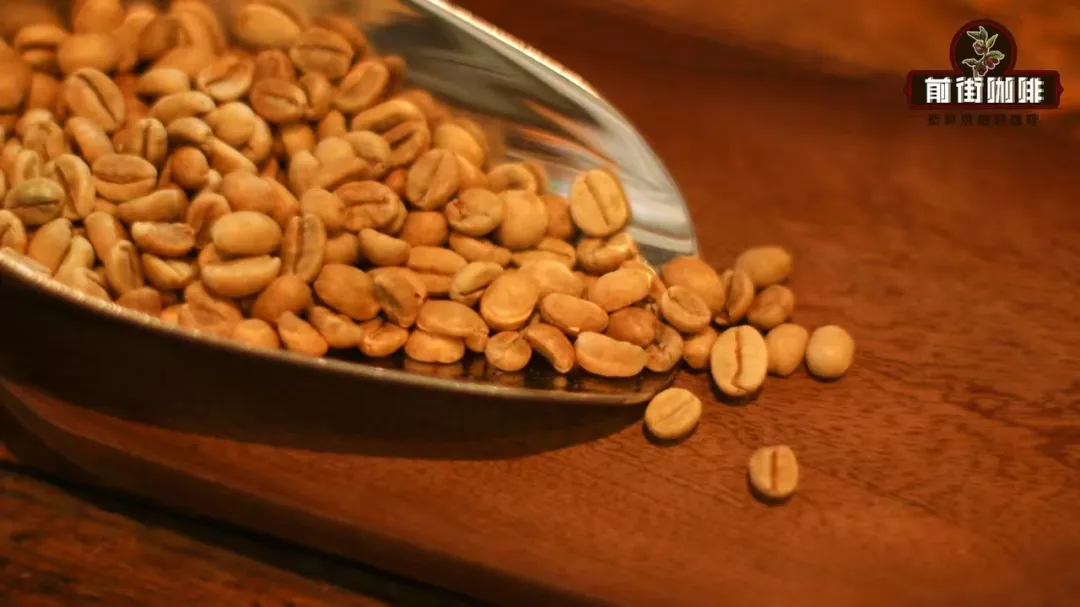
In summary, the charm of blended coffee beans lies in their ability to achieve a flavor balance and depth unattainable by single-origin beans, through a combination of science and art. Both pre-roast and post-roast blending methods have their own technical advantages and flavor orientation. Consumers can choose the blend type that best suits their preferences, brewing method, and desired flavor direction. Whether you prefer stable and harmonious blends or more dynamic and distinctive ones, understanding the principles behind pre-roast and post-roast blending will give you clearer judgment and a richer experience when selecting and enjoying your coffee.
The above content is compiled by CoffeeHunters, a coffee news website.


